Caribbean jerk smoked pork earns its place in the rotation the first time you pull apart a shoulder that’s taken on a deep smoke ring, a spicy crust, and enough juiciness to stand up to buns, rice, or a pile of roasted plantains. The heat is there, but it’s rounded out by allspice, thyme, garlic, and a little brown sugar, so every bite lands with smoke, savor, and a slow-building kick instead of one-note fire.
The trick is giving the marinade time to sink in overnight and letting the smoker do its job without rushing the finish. Pork shoulder needs long, steady heat to break down properly, and that low-and-slow window is what turns a tough cut into meat that shreds cleanly. Fruit wood keeps the smoke softer and sweeter, which fits the jerk seasoning better than heavy, bitter smoke ever could.
Below, I’ve included the part that matters most: how to keep the spice rub from burning while the shoulder finishes, plus a few smart swaps if your heat tolerance or pantry looks different from mine.
The bark came out dark and flavorful without tasting burnt, and the pork shredded after a 30-minute rest just like you said. The scotch bonnet heat was balanced enough that even my cousin who usually avoids spicy food went back for seconds.
Save this Caribbean Jerk Smoked Pork for the nights when you want smoky bark, juicy pulled pork, and bold island spice from the smoker.
The Part Most People Miss: Getting Jerk Flavor Into a Thick Pork Shoulder
Pork shoulder can take a heavy marinade, but the surface is only part of the story. The score marks matter because they give the jerk paste a path into the meat instead of leaving all that seasoning sitting on the outside, where it can dry out or scorch before the center is done. Overnight marinating gives the salt, acid, and spice time to work together, and that’s what keeps the finished pork seasoned all the way through.
The other mistake is turning the smoker too hot in the hope of saving time. Pork shoulder gets tender because connective tissue melts slowly, not because the outside gets blasted. Hold the temperature in the 225-250°F range and let the bark build gradually; if you rush it, the crust darkens before the fat has time to render, and the meat stays stringy instead of shreddable.
- Scotch bonnet peppers — These bring the signature jerk heat and fruitiness. Seed them if you want a cleaner burn, but don’t swap in plain jalapeños and expect the same thing; they’re milder and flatter. Habaneros are the closest stand-in if scotch bonnets aren’t available.
- Allspice — This is the spice that gives jerk its warm, unmistakable backbone. It’s not a background note here; it’s central. Freshly ground allspice tastes fuller, but the jarred version works fine if that’s what you keep on hand.
- Brown sugar — It helps the marinade cling and encourages the bark to darken without turning harsh. The sugar won’t make the pork taste sweet; it just rounds out the pepper and smoke. If you reduce it too much, the crust can end up dusty and less balanced.
- Lime juice and soy sauce — Together they season the meat and help the marinade loosen up enough to coat every scored crevice. Soy sauce adds depth and salt; lime gives the sharp edge that keeps the pork from tasting heavy. Coconut aminos can stand in for soy sauce if you need a gluten-free version, though the color will be a touch lighter.
- Vegetable oil — This helps the paste spread evenly and keeps the spices from clumping. Any neutral oil works here. Don’t use olive oil if you can avoid it; its flavor can fight the jerk seasoning.
What Each Ingredient Is Actually Doing in Caribbean Jerk Smoked Pork
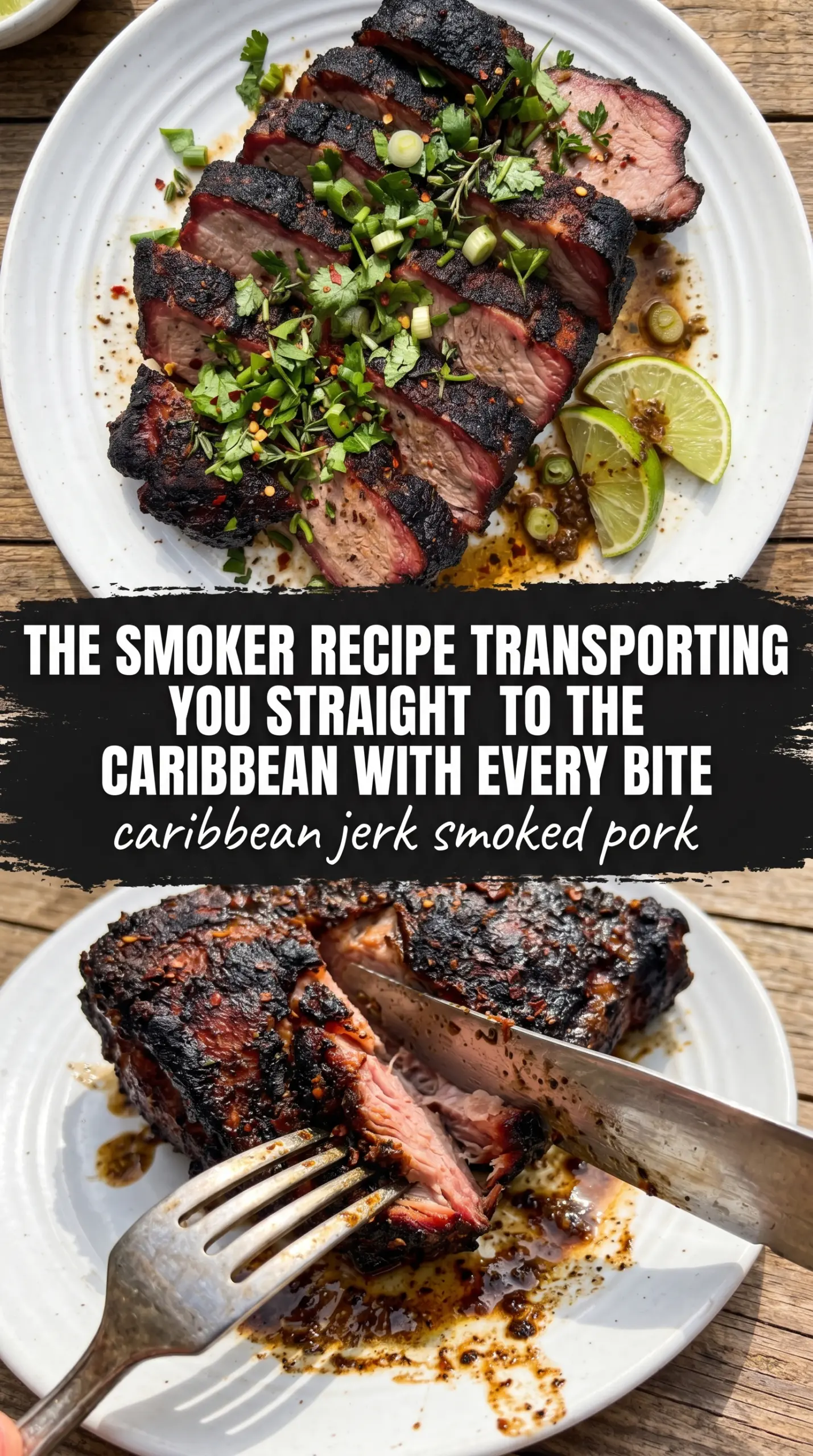
- Protein (quality, proper thickness) — Good quality protein tastes better. Even thickness ensures even cooking.
- Seasoning (bold, distributed throughout) — Don’t be shy with salt and pepper. Quality seasoning elevates everything.
- Oil or fat (protective and flavorful) — The fat helps develop crust and carries flavors. Use generously.
- Heat management (appropriate temperature for the protein) — Too high and the outside burns before the inside cooks. Too low and it steams.
- Technique (sear, then finish based on thickness) — Proper technique creates flavor. Sear for crust, then cook through gently.
- Aromatics and seasonings (garlic, herbs, spices) — These add complexity and depth. Distribute them throughout the cooking process.
- Resting time (let it rest before serving) — Resting allows juices to reabsorb. This keeps the protein moist and tender.
- Optional: finishing sauce or glaze — A light sauce adds richness without overwhelming. Apply at the very end.
Smoking the Pork Until the Bark Sets and the Meat Pulls Clean
Blending the Marinade
Blend the green onions, scotch bonnets, garlic, thyme, brown sugar, allspice, black pepper, cinnamon, nutmeg, soy sauce, lime juice, and oil until you have a smooth, thick paste. It should look loose enough to smear but not watery. If the mixture is chunky, the seasoning won’t coat evenly and the surface of the pork can end up patchy. Stop and scrape down the blender once or twice so the herbs and peppers get fully broken up.
Seasoning the Shoulder
Score the pork shoulder in shallow cuts across the surface, then work the marinade into every cut and onto every side. The goal is full coverage, not a thick layer that falls off into the smoker tray. If the shoulder is cold and stiff from the fridge, it’s easier to miss spots, so let it sit on the counter briefly while you prep the smoker. Cover it and refrigerate overnight so the salt and aromatics can settle in.
Managing the Smoker Heat
Set the smoker to 225-250°F and use fruit wood for a softer smoke. Apple, cherry, or peach all work well with jerk seasoning because they support the spice instead of burying it. Put the pork on once the smoker is fully up to temp; if the fire isn’t stable yet, the first hour of smoke can be dirty and bitter. Clean blue smoke is what you want, not a heavy white cloud.
Finishing for Pull-Apart Texture
Smoke the pork for 6-8 hours until the internal temperature reaches 195-203°F and a probe slides in with little resistance. Don’t pull it the second it hits 195; tenderness matters more than the number alone. If the bark looks dark early, tent it loosely with foil for the last stretch instead of cranking the heat. Once it comes off the smoker, let it rest for 30 minutes before pulling so the juices settle back into the meat instead of spilling onto the cutting board.
How to Adjust This Jerk Pork for Heat, Diet, or a Different Cooking Setup
Milder Heat Without Losing the Jerk Character
Use one or two scotch bonnets instead of four, or swap in habaneros with the seeds removed for a softer burn. The pork will still taste like jerk because the allspice, thyme, garlic, and lime are doing the real heavy lifting. If you remove all the peppers, the dish turns more herbal and smoky than truly jerk.
Gluten-Free Version
Swap the soy sauce for coconut aminos in the same amount. You’ll lose a little depth and color, but the pork will still be savory and balanced. Check the label on your spice blends if you’re using preground seasonings, since some contain hidden fillers.
No Smoker, Same Spice Rub
You can cook the marinated shoulder low and slow in a covered oven at 300°F until it reaches the same 195-203°F tenderness window. You won’t get a true smoke ring, but the bark still develops if you uncover it near the end and let the surface dry out a little. A few drops of liquid smoke can be added to the marinade if you want a closer backyard-smoker feel.
Storage and Reheating
- Refrigerator: Store pulled pork in an airtight container for up to 4 days. Keep the juices with it so the meat stays moist.
- Freezer: It freezes well for up to 3 months. Pack it in portions with a little cooking liquid or pan juice to protect the texture.
- Reheating: Reheat covered in the oven at 300°F or gently on the stovetop with a splash of liquid. The common mistake is blasting it in the microwave until the edges dry out and the bark turns leathery.
Questions I Get Asked About This Recipe
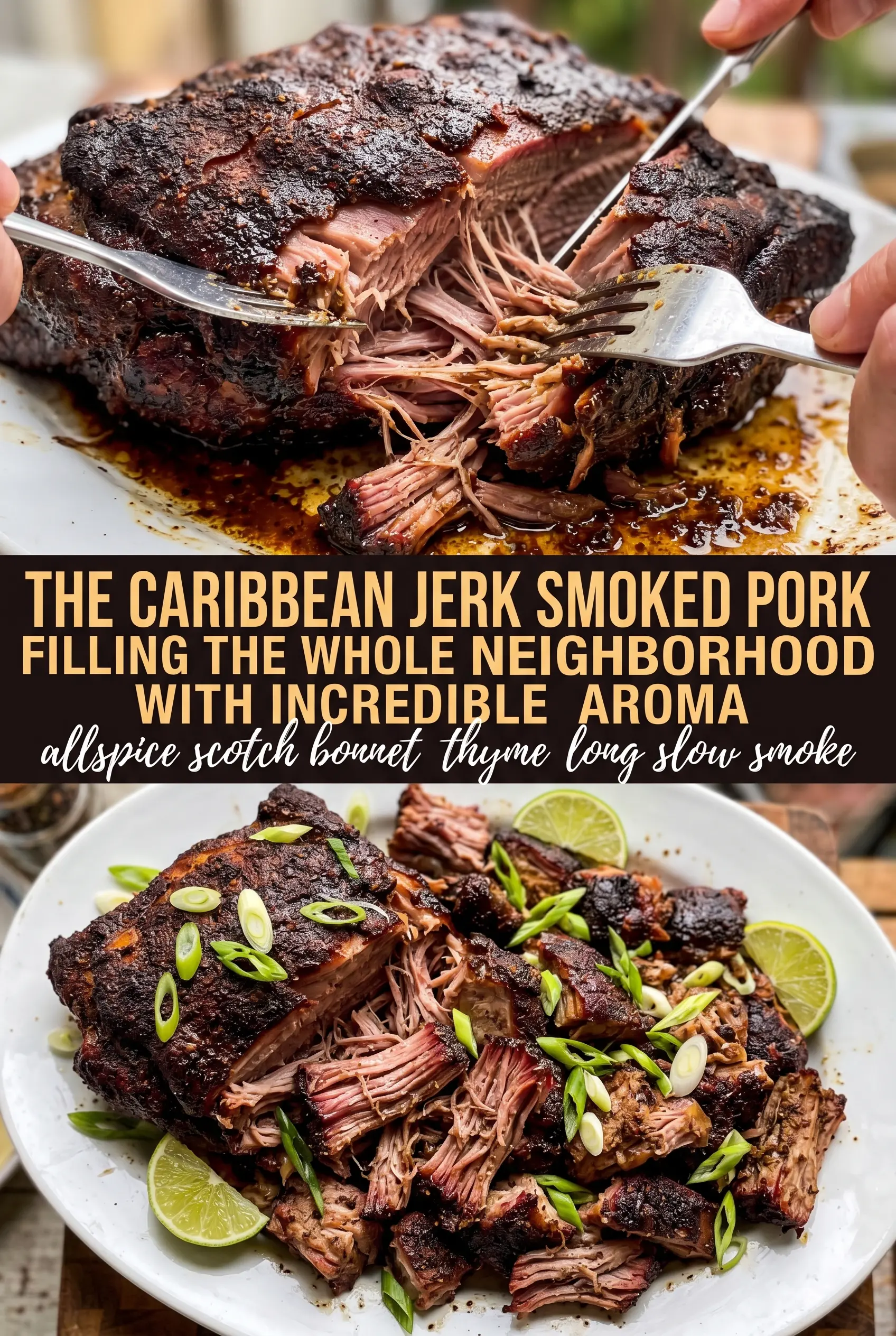
Caribbean Jerk Smoked Pork
Ingredients
Equipment
Method
- Blend green onions, scotch bonnet peppers, garlic, fresh thyme, brown sugar, allspice, black pepper, cinnamon, nutmeg, soy sauce, lime juice, and vegetable oil until smooth.
- Score the pork shoulder and rub the jerk marinade all over, making sure it gets into the cuts.
- Marinate the pork overnight in the refrigerator.
- Prepare the smoker to 225-250°F with fruit wood.
- Smoke the pork for 6-8 hours until the internal temperature reaches 195-203°F.
- Let the pork rest for 30 minutes so the juices settle before pulling.