Juicy grilled chicken with deep seasoning and a clean, balanced char earns its place in the regular dinner rotation fast. The outside picks up those dark grill marks and a little sticky edge from the brown sugar, while the inside stays tender from the lemon, soy sauce, and olive oil working together in the marinade.
What makes this version dependable is the way the marinade does three jobs at once: it seasons the meat all the way through, helps the surface brown, and keeps the chicken from drying out over the fire. Dijon and Worcestershire bring backbone, garlic gives it a savory finish, and the lemon keeps everything bright instead of heavy. The key is giving the chicken enough time to absorb the marinade without leaving it so long that the texture gets mushy.
Below, I’ve included the small details that matter here: why the marinade works, how to avoid flare-ups, and the easiest way to know when the chicken is cooked through without cutting into it and losing the juices.
The marinade gave the chicken great flavor all the way through, and the grill marks turned out perfect without the outside burning before the inside was done.
Save this all-star grilled chicken marinade for the nights when you want juicy chicken with a classic BBQ-style char.
The Reason This Chicken Stays Juicy on the Grill
The biggest mistake with grilled chicken is treating the grill like a dryer. High heat alone can give you a good-looking outside and a stringy center if the meat goes on cold, dry, or under-seasoned. This recipe avoids that by using a marinade with oil, acid, salt from the soy sauce, and a little sugar to help the surface brown before the chicken has a chance to toughen.
The other trap is rushing the cook. Chicken pieces need enough time over medium-high heat to build color, but if the flames are too aggressive, the outside scorches before the center catches up. Keep the lid moving between open and closed as needed, and watch the chicken itself instead of the clock: the juices should run clear, the surface should look deeply browned, and the thickest pieces should hit 165°F in the center.
What Each Ingredient Is Doing in the Marinade

- Olive oil — This helps carry the seasoning across the surface and keeps the chicken from sticking to the grates. Don’t swap in a heavy, strongly flavored oil here unless you want that taste in the finished chicken.
- Soy sauce — This is where a lot of the savory depth comes from, and it seasons the meat from the inside out. Low-sodium soy sauce works fine if that’s what you keep on hand; the flavor will be a touch lighter, so the chicken benefits from the full marinating time.
- Lemon juice — The acid brightens the whole marinade and helps the exterior brown. Fresh lemon juice is worth using because bottled juice can taste flat, especially in a simple marinade like this.
- Worcestershire sauce — This adds a dark, rounded umami note that makes the chicken taste grilled even before it hits the fire. There isn’t a perfect stand-in for it, but a small splash of steak sauce can cover some of the same ground in a pinch.
- Dijon mustard — Dijon helps the marinade emulsify so the oil and acid stay blended instead of separating into layers. Yellow mustard will work, but it gives a sharper, simpler flavor.
- Brown sugar — A small amount helps the chicken caramelize and gives the edges that sticky, browned finish. Don’t add much more, or the outside will brown too fast before the inside is done.
- Garlic, black pepper, and paprika — These build the seasoning base and give the chicken a familiar barbecue-style finish. Fresh garlic matters here because it tastes alive and punchy after grilling; paprika adds color and a little warmth without making the marinade smoky.
From Marinade to Grill Marks Without Burning the Outside
Mixing the Marinade Until It Stays Together
Whisk the olive oil, soy sauce, lemon juice, Worcestershire sauce, Dijon, garlic, brown sugar, black pepper, and paprika until the sugar dissolves and the mixture looks mostly uniform. The marinade should look glossy, not streaky. If the brown sugar is still clumped at the bottom, it will stick unevenly to the chicken and leave some pieces over-seasoned while others taste flat.
Letting the Chicken Soak Up Flavor
Add the chicken pieces and coat them well, then refrigerate for at least 2 hours and up to 8 hours. Two hours gives you noticeable seasoning, but the longer end of that window builds deeper flavor. Don’t leave it much longer than that, especially if the pieces are small, because the lemon juice can start to change the texture.
Getting the Grill Hot Without Losing Control
Preheat the grill to medium-high and clean the grates well before the chicken goes on. You want the grates hot enough to sear, but not so fierce that the marinade burns on contact. If you can hold your hand above the grate for only a couple of seconds, you’re in the right range.
Cooking to 165°F Without Drying It Out
Place the chicken on the grill and turn it occasionally so it browns evenly on both sides. Watch for the edges to firm up and the juices to start bubbling at the surface. Pull the chicken the moment the thickest part reaches 165°F, because carryover heat will finish the job during the rest period and keep the meat juicy.
Resting Before You Slice or Serve
Let the chicken rest for 5 minutes before serving. That short pause keeps the juices in the meat instead of running onto the cutting board. If you cut in too soon, even perfectly cooked chicken will look drier than it really is.
How to Adapt This Chicken for Different Meals
For boneless chicken breasts
Use breasts if that’s what you have, but keep a close eye on the grill because they dry out faster than bone-in pieces. Pound them to an even thickness so the thinner ends don’t overcook before the center is done. The flavor stays the same, but the margin for error gets smaller.
For a gluten-free version
Swap in a certified gluten-free soy sauce or tamari and check your Worcestershire sauce label, since not every brand is gluten-free. The marinade still browns well, and you won’t lose the savory depth that makes this chicken taste complete.
For a lower-sugar marinade
Cut the brown sugar in half if you want a less sweet finish. You’ll get a little less caramelization, but the chicken will still pick up great color from the soy sauce, paprika, and direct heat.
Storage and Reheating
- Refrigerator: Store cooked chicken in an airtight container for up to 4 days. Slice it after it cools if you want it to reheat more evenly later.
- Freezer: This freezes well for up to 2 months. Wrap portions tightly and thaw them in the refrigerator so the texture stays as close as possible to fresh.
- Reheating: Rewarm gently in a covered skillet over low heat with a splash of water, or in a 300°F oven until just hot. High heat is the fastest way to dry out grilled chicken.
Answers to the Questions Worth Asking
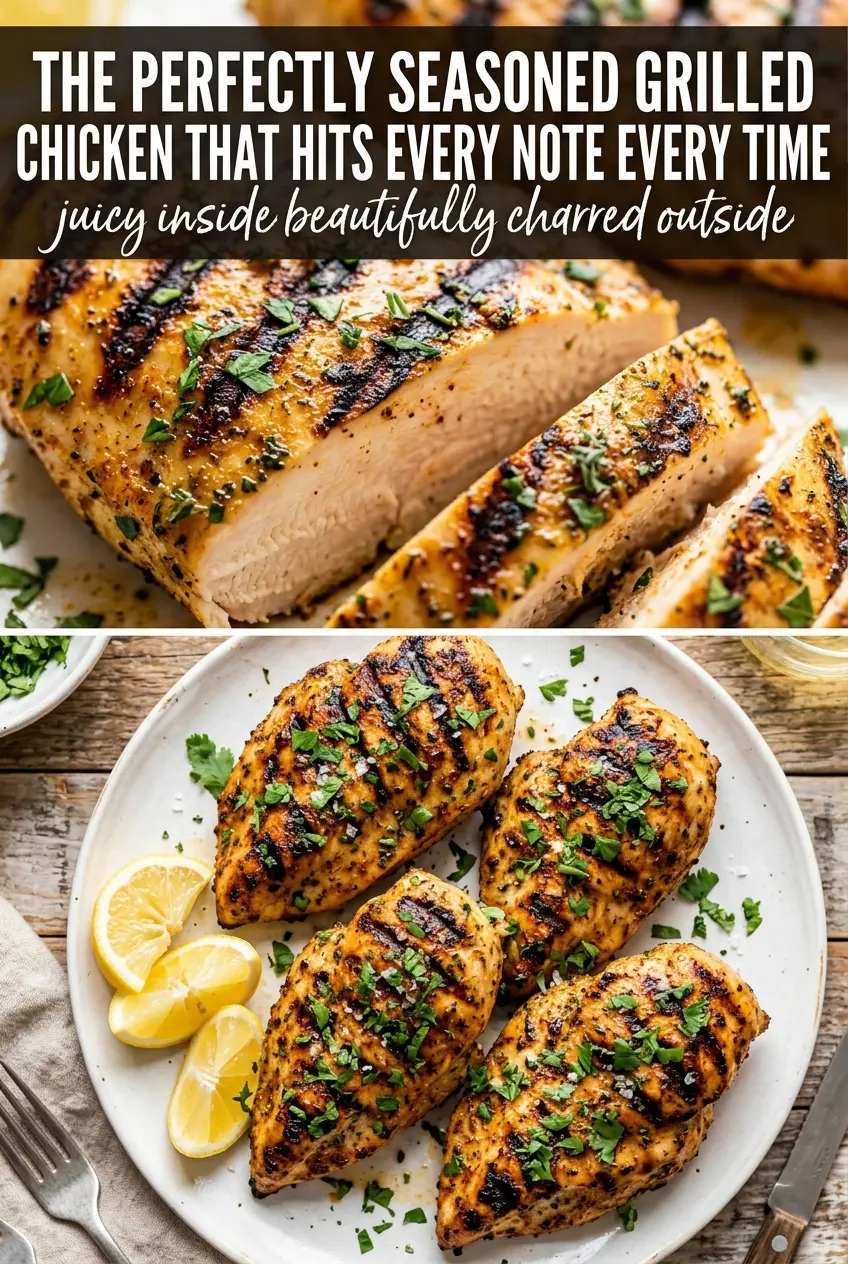
All-Star Grilled Chicken
Ingredients
Equipment
Method
- Whisk together olive oil, soy sauce, lemon juice, Worcestershire sauce, Dijon mustard, minced garlic, brown sugar, black pepper, and paprika until fully combined and glossy.
- Add chicken pieces to the refrigerator and marinate for 2-8 hours, turning once halfway so the marinade clings evenly.
- Preheat the grill to medium-high heat, around 375-450°F, until hot enough to sizzle when chicken touches the grates.
- Place marinated chicken on the grill and cook, turning occasionally, until internal temperature reaches 165°F at the thickest part.
- Let the chicken rest for 5 minutes before serving so juices redistribute and the surface stays tender.