Glossy ground beef and broccoli hits the table fast, but it still tastes like you paid attention. The sauce clings to every craggy bit of beef, the broccoli stays tender with a little bite, and the whole dish lands somewhere between takeout comfort and a proper weeknight dinner. Piled over hot rice, it’s the kind of meal that disappears before you’ve even set the spoon down.
What makes this version work is the balance: enough soy and oyster sauce for depth, just enough brown sugar to round out the salt, and a small amount of cornstarch to give the sauce that shiny, spoon-coating finish. Ground beef gives you more surface area than sliced steak, which means more flavor in less time, but it also means you need to brown it properly instead of steaming it in a crowded pan. Broccoli gets a quick blanch first so it turns tender without going dull or soggy once it hits the sauce.
Below, I’ve laid out the part that matters most: how to keep the sauce glossy instead of muddy, what to do if you want to swap the beef, and the simple reheating trick that keeps leftovers from turning dry.
The sauce thickened up perfectly and coated the broccoli instead of pooling at the bottom. I used the full 2 minutes at the end, and the beef stayed tender with just the right salty-sweet balance.
Save this glossy ground beef and broccoli for the nights when you want takeout-style sauce, tender broccoli, and dinner on the table fast.
The Reason the Sauce Stays Glossy Instead of Greasy
The difference between a good beef and broccoli stir fry and a greasy one comes down to two things: heat and timing. If the pan is crowded, the beef releases moisture and steams before it browns. That leaves you with pale meat and a sauce that never gets a chance to cling. High heat and a wide skillet give you browned edges on the beef, which is where the flavor starts.
The other piece is the cornstarch in the sauce. It doesn’t just thicken at the end; it helps the sauce tighten up as soon as it hits the pan, which is why you want the sauce mixed before anything else goes in. If you dump cornstarch straight into a hot skillet, it clumps. Whisk it into the cold sauce first, and it disperses evenly.
- Don’t skip draining excess fat. Ground beef can leave enough behind to make the sauce slick instead of glossy.
- Keep the sauce mixed. The cornstarch settles fast, so give it another stir right before pouring it in.
- Blanch the broccoli briefly. It finishes in the sauce, so it only needs to be bright green and just barely tender before it goes into the pan.
What Each Ingredient Is Actually Doing in the Pan
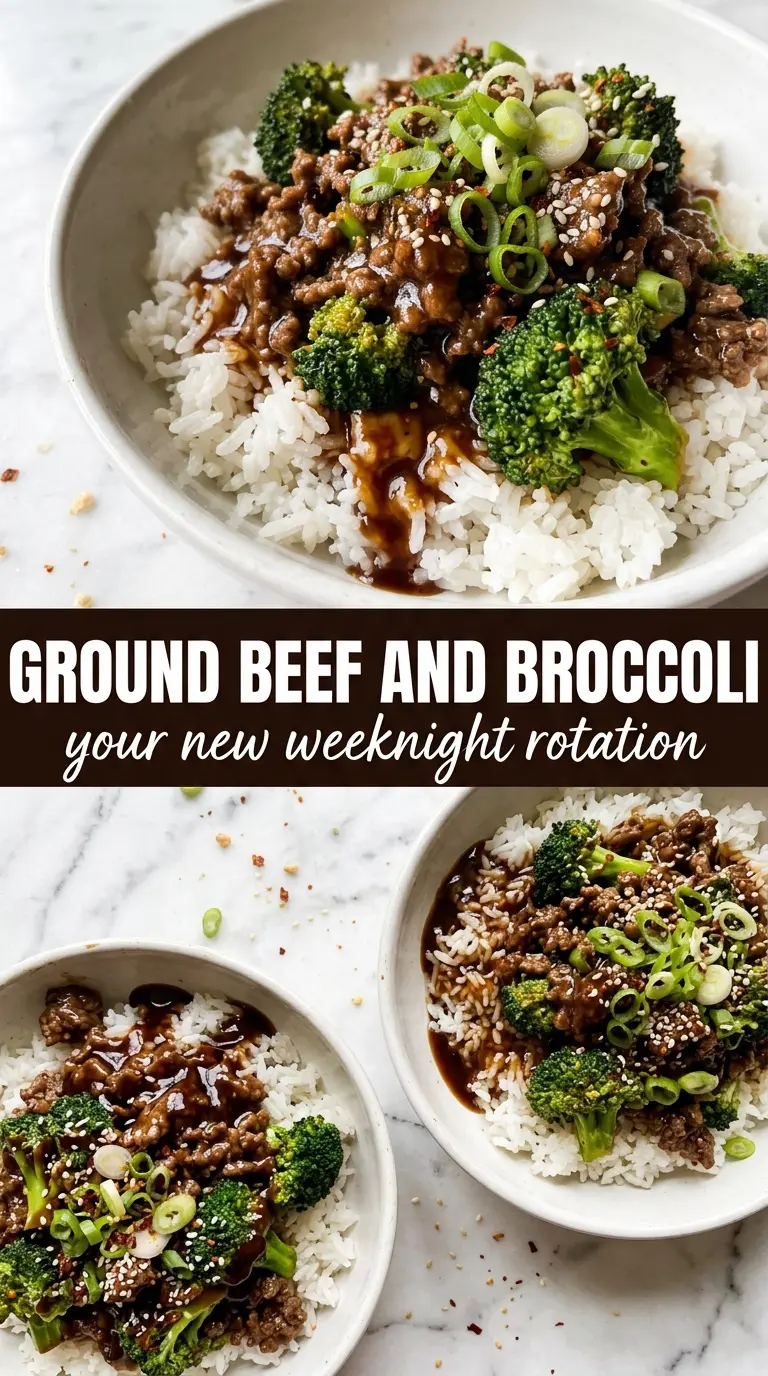
- Ground beef — This gives you a fast, hearty base and picks up the sauce better than sliced steak in a weeknight stir fry. An 85/15 blend has enough fat for flavor without turning the skillet oily. If you use leaner beef, keep a close eye on the pan so it doesn’t dry out.
- Broccoli florets — Fresh broccoli holds its shape and gives you the best bite. Frozen broccoli works in a pinch, but it needs to be thawed and patted dry first or the sauce thins out.
- Garlic and ginger — These are the backbone of the dish. Fresh ginger matters here; the pre-ground kind won’t give you the same sharp warmth.
- Soy sauce, oyster sauce, brown sugar, sesame oil, cornstarch, and beef broth — This is the balance point. Soy and oyster sauce bring salt and depth, brown sugar rounds the edges, sesame oil adds aroma, broth keeps the sauce from tasting one-note, and cornstarch gives it body.
- Vegetable oil — A neutral oil handles the high heat better than butter or olive oil. Save the sesame oil for the sauce; it burns too easily for the first sear.
Building the Stir Fry in the Right Order
Mix the Sauce Before the Pan Gets Hot
Whisk the soy sauce, oyster sauce, brown sugar, sesame oil, cornstarch, and beef broth until the sugar dissolves and the mixture looks smooth. That step keeps the cornstarch from clumping later. If you wait until the beef is already browned to measure everything out, the pan will be too hot and the sauce won’t go in cleanly. Set it next to the stove so you can pour it in without slowing down.
Blanch the Broccoli Until It’s Just Tender
Steam or blanch the florets for 2 to 3 minutes, just until they turn bright green and the stem gives a little when pierced. You’re not cooking them through; you’re giving them a head start so they finish with the beef instead of going mushy. If the broccoli sits too long in the hot water, it’ll lose its color and turn limp. Drain it well so extra water doesn’t dilute the sauce.
Brown the Beef Hard, Then Pull in the Aromatics
Heat the oil over high heat and add the ground beef in an even layer. Let it sit long enough to take on color before breaking it apart, then keep stirring until no pink remains. If there’s a lot of fat in the pan, drain it off now. Add the garlic and ginger only after the beef is browned; if they go in too early, they burn before the sauce has a chance to protect them.
Glaze, Thicken, and Finish Fast
Pour in the sauce and stir right away so it hits the hot beef evenly. Let it bubble for about 2 minutes until it turns darker and starts to cling to the spoon. Add the broccoli and toss just until everything is coated. If the sauce seems too thin, give it another 30 seconds; if it gets too thick, splash in a tablespoon of broth and stir until it loosens.
Three Ways to Work This Into Your Weeknight Routine
Make it gluten-free without losing the saucy finish
Use tamari in place of soy sauce and check that your oyster sauce is labeled gluten-free. The sauce still thickens the same way because the cornstarch is doing the real structural work. You’ll keep the same glossy coating without changing the texture of the dish.
Swap in ground turkey or chicken for a lighter skillet
Lean ground turkey or chicken works well, but it needs a little extra attention because it dries out faster than beef. Add an extra teaspoon of oil if the pan looks dry, and don’t cook the meat past the point where it’s just done. The sauce gives leaner meat enough richness to feel satisfying.
Turn it into a lower-carb dinner bowl
Skip the rice and serve it over cauliflower rice or shredded cabbage. The sauce stays the same, but you’ll want to keep the vegetables dry so the bowl doesn’t turn watery. Cabbage holds up especially well if you want something with a little crunch under the beef.
Storage and Reheating
- Refrigerator: Store leftovers in an airtight container for up to 4 days. The broccoli softens a little, but the flavor holds well.
- Freezer: It freezes fine for up to 2 months, though the broccoli will be softer after thawing. Freeze in portions for the easiest lunch reheat.
- Reheating: Warm it in a skillet over medium-low heat with a splash of water or broth. The mistake people make is blasting it in the microwave until the beef tightens and the sauce turns pasty.
Answers to the Questions Worth Asking
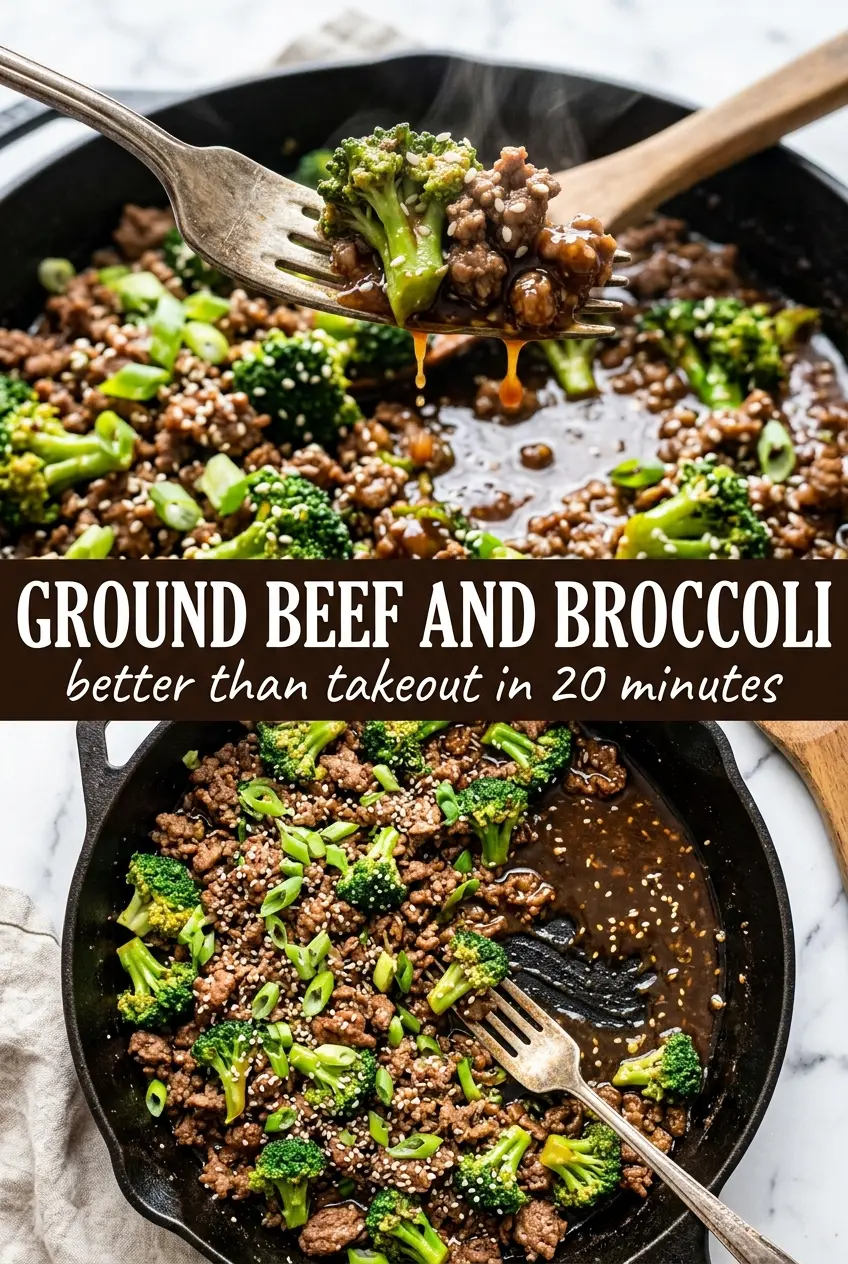
Ground Beef and Broccoli Stir Fry
Ingredients
Equipment
Method
- Whisk together soy sauce, oyster sauce, brown sugar, sesame oil, cornstarch, and beef broth until smooth, then set aside. The mixture should look glossy and evenly combined.
- Steam or blanch broccoli florets for 2–3 minutes until bright green and just tender, then set aside. Keep them from overcooking so they stay crisp-tender.
- Heat vegetable oil in a wok or large skillet over high heat, then add ground beef and cook, breaking apart, until browned. Drain excess fat once the beef is fully cooked.
- Add minced garlic and grated ginger and cook for 30 seconds. Stir constantly until fragrant but not browned.
- Pour in the stir fry sauce and stir to coat the beef, then simmer for 2 minutes until slightly thickened. The sauce should turn darker and start to cling.
- Add broccoli and toss until everything is evenly coated and hot. The florets should look glossy with sauce.
- Garnish with sesame seeds and green onions, then serve immediately over steamed white rice. The sauce will appear dark and sticky over the rice.