Classic zucchini bread bakes up with a tall, cracked top and a tender crumb that stays moist for days. The cinnamon and nutmeg give it that warm quick-bread smell that fills the kitchen, and the zucchini disappears into the loaf in the best way, leaving behind softness instead of visible vegetable chunks. It slices cleanly once cooled, but the inside stays plush and just a little springy.
The trick is not treating the zucchini like an ingredient that needs to be tamed. Grated zucchini carries a lot of water, and that moisture is exactly what keeps this loaf from drying out. Oil also does more work here than butter would; it gives the bread a softer texture that holds up well after a day or two. Stir the batter only until the flour disappears, because overmixing turns quick bread tight and tough fast.
Below, I’ve included the one detail that keeps the crumb from going gummy, plus a few smart swaps if you want to add nuts, make it dairy-free, or store extra loaves for later.
The Zucchini Moistens the Crumb, But the Batter Can Still Turn Heavy
The biggest mistake with zucchini bread is squeezing the zucchini dry and then wondering why the loaf tastes plain and a little stale by day two. The vegetable isn’t just filler here; its natural moisture helps create that soft, bendable crumb that quick bread is known for. Leave it grated and loose, then fold it in gently so the batter stays light.
Another thing that matters is temperature and timing. This loaf needs enough oven heat to set the outside and create that cracked top, but if the center is pulled too early, the middle can sink as it cools. A toothpick should come out clean or with just a few moist crumbs, not wet batter. If the top is browning before the center is done, tent it loosely with foil for the last stretch.
What Each Ingredient Is Actually Doing in This Loaf
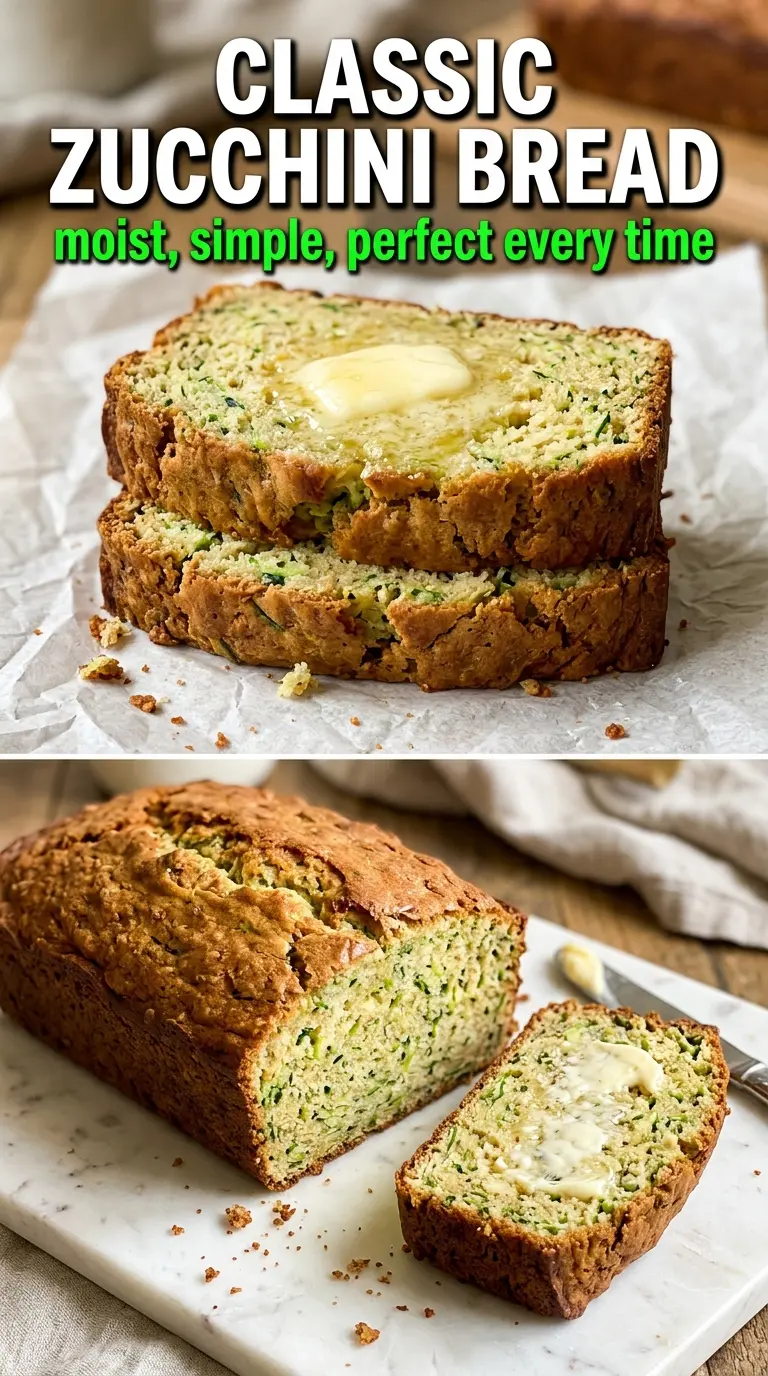
- All-purpose flour: Gives the loaf its structure without making it dense. Bread flour is too strong here and can push the crumb toward chewy instead of tender.
- Vegetable oil: This is what keeps the bread soft after cooling. Melted butter works, but the loaf will set up a little firmer and won’t stay as plush.
- Eggs: They bind the batter and help the loaf rise evenly. Room-temperature eggs blend faster and keep the batter smoother.
- Zucchini: Use it grated on the fine side of the box grater and don’t squeeze it out. That moisture is part of the recipe’s texture, not a problem to fix.
- Cinnamon and nutmeg: They give the bread its warm, familiar flavor. Fresh cinnamon makes a difference here because the spice front is gentle, not aggressive.
- Walnuts or pecans: Optional, but they add a good bite against the soft crumb. Chop them fairly small so they distribute evenly instead of sinking.
Building the Loaf Without Deflating It
Mix the Dry Ingredients First
Whisk the flour, baking soda, baking powder, salt, cinnamon, and nutmeg together until the color looks even. That step keeps the leavening from clumping in one spot, which matters because quick bread rises fast and unevenly if the soda isn’t distributed well. If you skip the whisking, you can get pockets that taste metallic or bitter.
Combine the Wet Ingredients Until Smooth
Beat the sugar, oil, eggs, and vanilla until the mixture looks thick and glossy, then stir in the zucchini. The batter won’t be fluffy like cake batter, and that’s fine. You’re aiming for a smooth base that can carry the flour without being overworked.
Fold Just Until the Flour Disappears
Add the dry ingredients to the wet and fold with a spatula until you stop seeing streaks of flour. The batter should look thick and a little rough, not perfectly polished. Overmixing develops too much gluten, which gives you a tight loaf instead of a soft slice. Fold in the nuts at the very end if you’re using them.
Bake for a Deep Golden Top
Divide the batter between the pans and bake until the tops are deeply golden and a toothpick inserted in the center comes out clean. A cracked top is a good sign here; it means the loaf rose well and set properly. Let it cool in the pan for 20 minutes before moving it, or it can break apart while it’s still delicate.
Three Ways to Make This Zucchini Bread Fit Your Kitchen
Gluten-Free Zucchini Bread
Use a 1:1 gluten-free baking blend that includes xanthan gum. The texture will be a little more delicate and less springy than the original, but it still holds together well if you let it cool completely before slicing.
Dairy-Free as Written
This recipe is already dairy-free if you stick with the ingredient list as written. That makes it one of the easier quick breads to serve to mixed crowds, and the oil keeps the crumb soft without needing butter.
Nut-Free Loaf
Leave out the walnuts or pecans and bake the batter exactly the same way. You’ll lose a little crunch, but the loaf stays moist and evenly textured, which makes it a safer choice for school lunches or anyone avoiding nuts.
Storage and Reheating
- Refrigerator: Store wrapped or in an airtight container for up to 5 days. The crumb stays moist, though the top softens a bit after day one.
- Freezer: Freeze whole loaves or thick slices tightly wrapped for up to 3 months. Wrap twice so the loaf doesn’t pick up freezer smells.
- Reheating: Thaw at room temperature, then warm slices in a toaster oven or low oven for a few minutes. Microwaving too long can make the crumb rubbery and steal the crackly top.
Questions I Get Asked About This Recipe
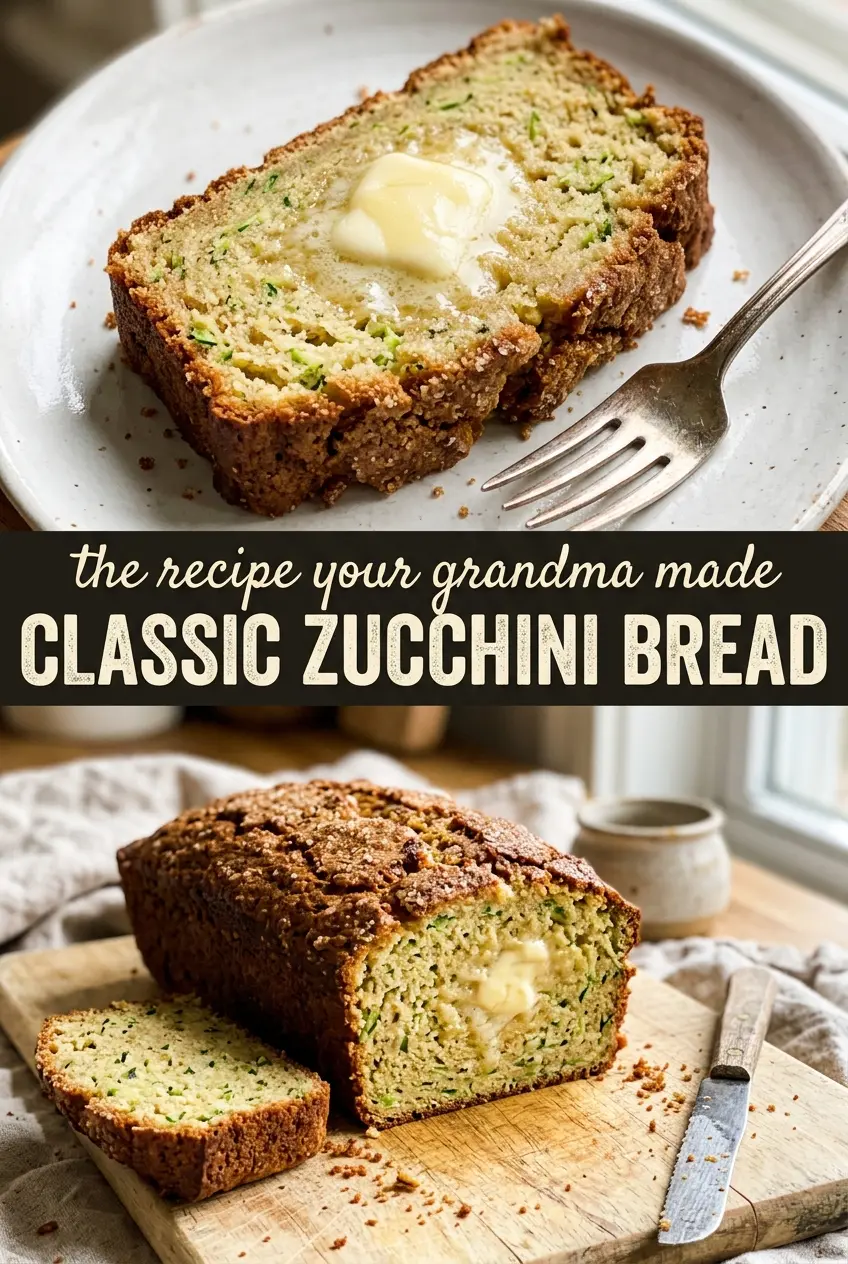
Classic Zucchini Bread
Ingredients
Equipment
Method
- Preheat oven to 350°F and grease two 9x5 loaf pans (or one large loaf pan) to prevent sticking.
- Whisk all-purpose flour, baking soda, baking powder, salt, cinnamon, and nutmeg in a large bowl until evenly combined and no streaks remain.
- Beat granulated sugar, vegetable oil, eggs, and vanilla extract in a separate bowl until well combined and glossy.
- Stir grated zucchini into the wet mixture, keeping the strands evenly distributed.
- Add wet ingredients to dry and fold until just combined, then fold in chopped walnuts or pecans if using.
- Divide batter between loaf pans and bake at 350°F for 55–65 minutes, until a toothpick comes out clean and the top is deeply golden.
- Cool in the pan for 20 minutes, then transfer to a wire rack so the crust stays crisp and the crumb sets.