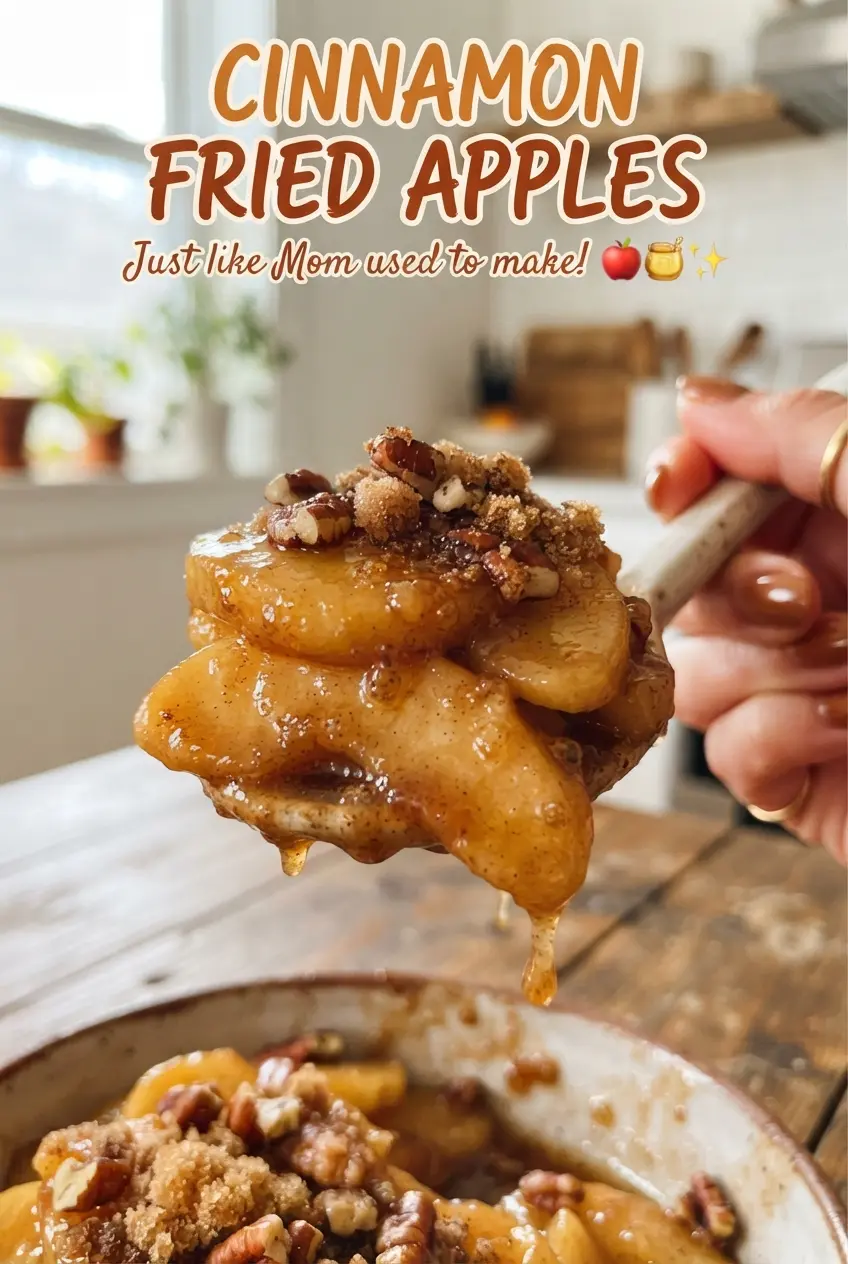
Cinnamon fried apples turn soft at the edges, glossy in the pan, and spoonable with just enough bite left in the centers. The best versions don’t collapse into apple sauce. They hold their shape, soak up the brown sugar syrup, and taste like warm spice and butter in every bite.
What makes this version work is the balance between firm apples and a quick stovetop finish. Honeycrisp gives you sweetness and structure; Granny Smith brings sharper flavor and stays sturdy. The cornstarch slurry goes in at the end, after the apples have already softened, so the sauce thickens cleanly instead of turning muddy or pasty. Vanilla finishes the whole skillet with a round, bakery-style note that makes the apples taste deeper than the ingredient list looks.
Below, I’ll walk through the part that matters most: how to keep the apples tender instead of mushy, and how to judge the sauce so it lands glossy and thick, not gluey. There’s also a handy note on swapping the apples based on what you’ve got on hand.
The apples stayed tender without falling apart, and the sauce thickened up into that glossy syrupy texture I was hoping for. I served it over pancakes and my husband asked for the same thing the next morning.
Save these cinnamon fried apples for a glossy skillet side that’s just as good over pancakes as it is beside pork chops.
The Reason These Apples Stay Tender Instead of Turning Mushy
Most fried apple recipes go wrong because the heat is too high for too long. Apples give up water as they cook, and if the skillet is left uncovered from the start, that liquid can evaporate before the fruit softens evenly. Covering the pan for the first part of cooking traps enough steam to soften the slices without blasting them apart.
The other thing that matters is the apple you choose. Firm apples hold their shape; mealy apples turn soft and grainy fast. You still want slices that are even in thickness, though, because thin slivers break down before the sauce finishes and thick wedges stay too firm in the center.
- Covered cooking first — This softens the apples with steam before the sauce tightens around them.
- Moderate heat — Medium heat keeps the butter and sugar from scorching while the apples release their juices.
- Even slicing — Similar-sized slices cook at the same rate, which keeps the texture consistent from edge to edge.
What Each Ingredient Is Actually Doing in the Skillet
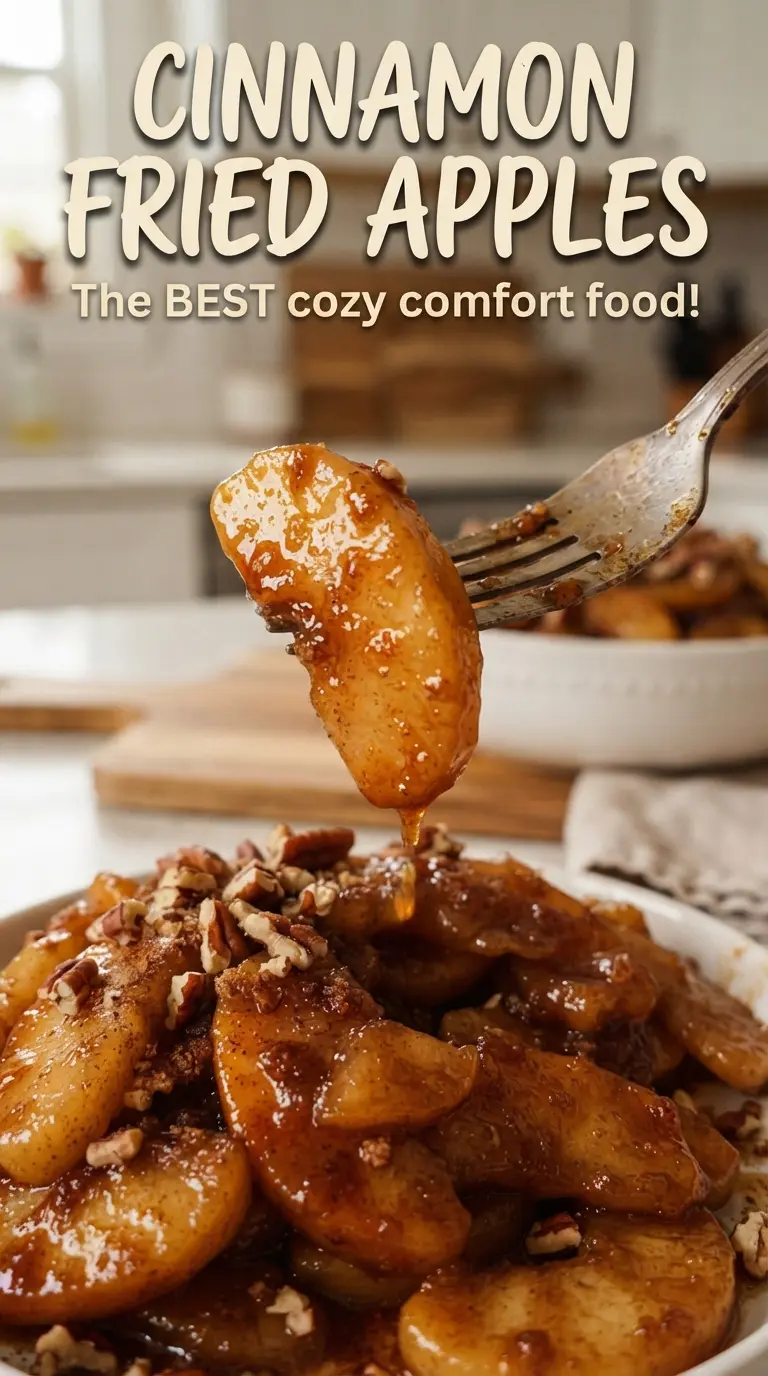
- Honeycrisp or Granny Smith apples — Honeycrisp gives a sweet, juicy result with good structure, while Granny Smith keeps the filling brighter and firmer. If you use only softer apples, the dish turns saucier and loses that clean apple bite.
- Butter — Butter carries the cinnamon and brown sugar and gives the finished apples a rich sheen. If you swap in margarine, the flavor won’t be as round and the sauce can taste flat.
- Brown sugar — This melts into the apple juices and makes the syrup taste deeper than plain white sugar would. Light or dark brown sugar both work; dark brown sugar gives a stronger molasses note.
- Cornstarch slurry — This is what turns the pan juices into a glossy sauce instead of thin syrup. Always whisk it with water first so it disperses evenly and doesn’t clump.
- Vanilla extract — Add it at the end so the aroma stays fresh. If it cooks too long, it loses the warm bakery note that makes the apples taste finished.
Cooking the Apples So the Sauce Turns Glossy at the End
Melting the Butter and Starting the Base
Let the butter melt fully before the apples go in so the sugar can coat the fruit evenly. Once the slices hit the pan, stir until every piece looks lightly slicked and speckled with spice. If the butter starts browning too fast, the heat is too high and the sugar will catch before the apples have a chance to soften.
Covering for Tender Apples
After the apples are coated, cover the skillet and let them cook until they’re just tender when pierced with a fork. Stir once or twice so the bottom layer doesn’t scorch, but don’t keep lifting the lid every minute or you’ll lose the steam that softens the fruit. The apples should look slightly collapsed at the edges while still holding their shape in the center.
Thickening Without Making It Gluey
Whisk the cornstarch with water until it looks completely smooth, then pour it into the skillet and stir right away. The sauce should go from loose and shiny to thicker and more syrup-like within a couple of minutes. If it turns pasty, it’s usually because the cornstarch was added straight to the pan or cooked too long after thickening.
Finishing With Vanilla
Stir in the vanilla off the heat or right at the end of simmering. That keeps the flavor soft and fragrant instead of cooked out. Serve the apples warm while the sauce is still loose enough to pool around the slices.
How to Adapt These Apples for Different Pans, Diets, and Sweetness Levels
Use Granny Smith for a tarter side dish
Granny Smith apples keep the filling sharper and firmer, which works well if you’re serving these alongside savory food. The sauce will taste less candy-like and a little more balanced. If you want more sweetness, keep the same amount of sugar and let the apples cook until their juices reduce fully.
Make it dairy-free
Use a plant-based butter that behaves like dairy butter in the skillet. The texture will still work, but the flavor loses some of the rich, round finish that real butter gives. Choose one with a neutral taste so the cinnamon stays front and center.
Skip the cornstarch if you want a looser syrup
Leave out the cornstarch and simmer the juices a little longer for a thinner, more natural sauce. This version is better for spooning over oatmeal or ice cream when you want the syrup to run. The apples will taste a touch less glossy and the pan sauce will stay more fluid.
Storage and Reheating
- Refrigerator: Store leftovers in an airtight container for up to 4 days. The sauce thickens as it chills, and the apples soften a little more.
- Freezer: These freeze, but the texture turns softer after thawing. Freeze in a shallow container for up to 2 months if you plan to use them in oatmeal, pancakes, or baked goods later.
- Reheating: Warm gently in a skillet over low heat with a splash of water to loosen the sauce. High heat can break down the apples and make the syrup separate.
Answers to the Questions Worth Asking
Cinnamon Fried Apples
Ingredients
Equipment
Method
- Melt butter in a large cast iron skillet over medium heat. Look for melted butter bubbling lightly around the edges.
- Add apples, brown sugar, cinnamon, nutmeg, and salt, then stir to coat. The apples should look evenly dusted and glossy with the spice-sugar mixture.
- Cover and cook 8-10 minutes, stirring occasionally, until the apples are just tender. You should see the apples soften while still holding their shape.
- Whisk cornstarch with water, then pour it into the skillet. The mixture will loosen the sauce and spread throughout the apples.
- Simmer 2-3 minutes until the sauce thickens and turns glossy. Watch for a spoon-coating consistency when you draw a line through the sauce.
- Stir in vanilla extract and serve warm. The sauce should cling smoothly to the apple slices.