Pumpkin pasta sauce turns silky and rich without needing hours on the stove, and that’s what makes it one of those dinners I keep coming back to. The pumpkin gives the sauce body and a gentle sweetness, while cream and parmesan pull it into something glossy enough to cling to every ridge of the pasta. It feels comforting, but it still tastes grown-up and balanced, not heavy.
The trick is treating the pumpkin like a sauce base, not a shortcut. Sautéing the onion until soft, deglazing with white wine, and simmering the pumpkin with cream gives the sauce a depth that plain canned puree never has on its own. A little nutmeg warms everything up, and the pasta water is what helps the sauce loosen just enough to coat instead of sit in a thick layer at the bottom of the bowl.
Below, I’ll walk you through the small details that keep the sauce smooth, plus the ingredient swaps that still give you a proper creamy finish. If you’ve ever had pumpkin pasta that tasted flat or chalky, this version fixes that.
The sauce thickened up beautifully and clung to the rigatoni without turning gluey. I used the pasta water at the end like you suggested, and the parmesan melted in smooth instead of getting grainy.
Save this silky pumpkin pasta sauce for the nights when you want rigatoni coated in a creamy, parmesan-rich sauce with almost no fuss.
The One Mistake That Makes Pumpkin Sauce Taste Flat
Pumpkin puree needs help before it becomes dinner. If you stir it straight into cream and call it done, the sauce can taste one-note and a little dusty, which is why so many pumpkin pasta recipes fall flat. The onion, garlic, and white wine build the savory base first, and that step matters more here than it would in a tomato sauce because pumpkin doesn’t bring much acidity of its own.
The other mistake is rushing the simmer. Pumpkin puree thickens as it warms, but it still needs a few minutes to lose that canned taste and settle into the cream. Let the sauce bubble gently until it looks smooth and slightly glossy, and don’t add the parmesan until the heat is lowered a bit. That keeps the cheese from turning sandy.
What Each Ingredient Is Actually Doing in This Sauce
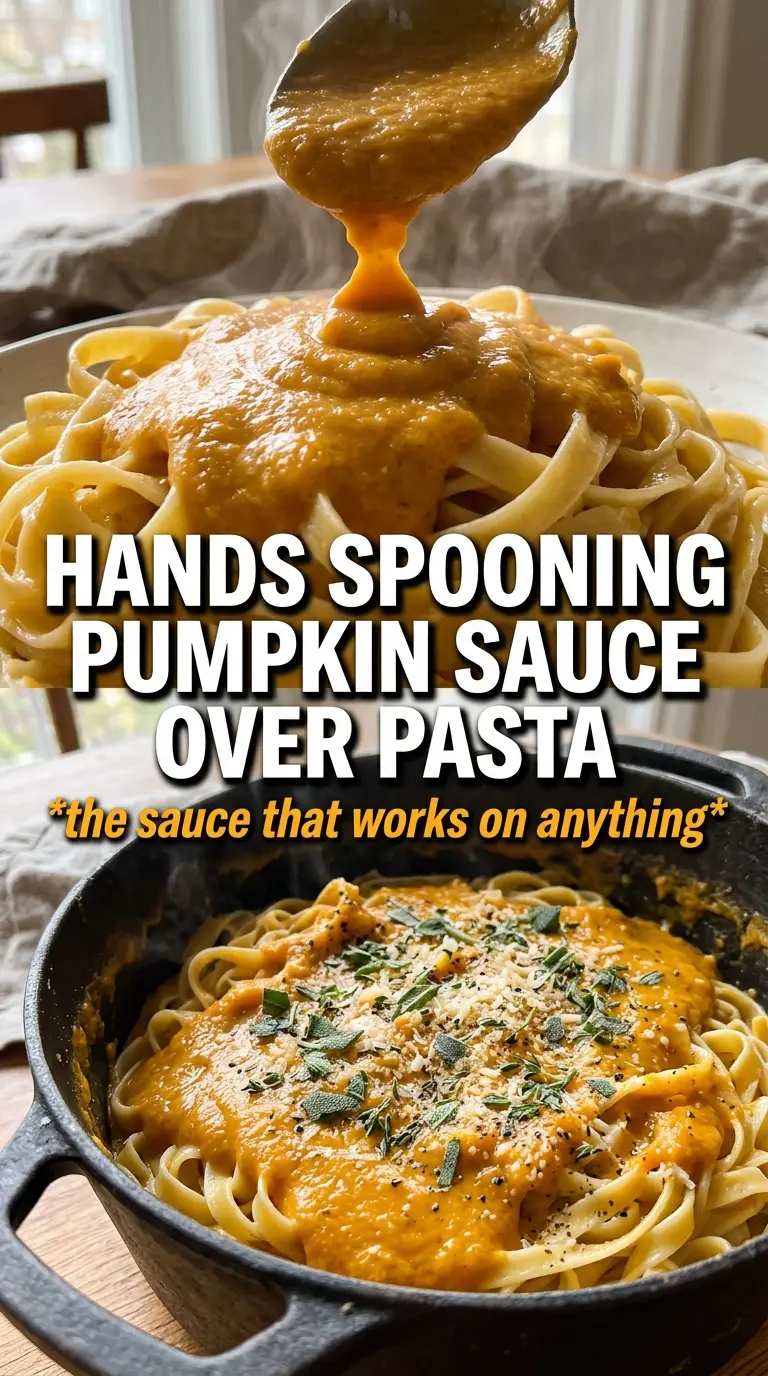
- Pumpkin puree — This is the body of the sauce. Use pure pumpkin puree, not pumpkin pie filling, which is sweetened and spiced for dessert. If all you have is butternut squash puree, it works in the same way and gives a similar texture with a slightly sweeter finish.
- Heavy cream — Cream softens the pumpkin and makes the sauce coat the pasta instead of clinging in a thick paste. Half-and-half works in a pinch, but the sauce will be thinner and a little less stable once you add the cheese.
- Dry white wine — This adds acidity and helps pull the browned bits from the pan into the sauce. If you skip it, add a splash of pasta water plus a small squeeze of lemon at the end to replace some of that brightness.
- Parmesan — Freshly grated parmesan melts into the sauce much more smoothly than the shelf-stable kind. Pre-grated cheese often has starches that can make the sauce gritty, especially if the heat is too high when it goes in.
- Pasta water — This is what turns the sauce from thick to silky. The starch helps the sauce cling to the rigatoni or penne, and it’s the best way to loosen everything without watering down the flavor.
- Fresh sage — Sage brings a sharp, earthy note that keeps the sauce from tasting too sweet. If you want a stronger finish, fry the leaves briefly in olive oil and scatter them over the top right before serving.
Building the Sauce So It Stays Silky
Softening the onion without browning it hard
Cook the onion in olive oil until it turns translucent and soft at the edges. You want sweetness here, not color. If the onion browns too fast, lower the heat; burnt bits will carry through the whole sauce and make the pumpkin taste bitter. The garlic goes in only for the last minute, just until fragrant, because garlic that darkens turns sharp instead of mellow.
Reducing the wine before the pumpkin goes in
Pour in the white wine and let it bubble until it smells less sharp and the liquid has reduced by about half. This cooks off the raw alcohol edge and leaves you with a cleaner, rounder base. If you add the pumpkin too soon, the wine can stay harsh in the finished sauce. Once the pan looks almost dry again, that’s your cue to move on.
Finishing with cream, cheese, and pasta water
When the pumpkin and cream simmer together, keep the heat gentle. A hard boil can make the dairy separate and leave the sauce grainy around the edges. Stir in the parmesan off the direct heat or with the burner very low, then use pasta water a splash at a time until the sauce looks glossy and loosens enough to coat the pasta in a smooth layer. The sauce should move slowly in the pan, not sit stiff like mashed squash.
How to Adapt This for a Different Pantry
Dairy-Free Version
Use full-fat coconut milk or an unsweetened oat cream in place of heavy cream, then finish with nutritional yeast instead of parmesan. The sauce will still be creamy, but it won’t have quite the same savory depth, so a little extra salt and a pinch more nutmeg help bring it back into balance.
Gluten-Free Pasta Swap
Use a sturdy gluten-free rigatoni or penne and cook it just to al dente. Gluten-free pasta can soften fast once it hits the sauce, so pull it from the pot while it still has a little bite and toss it immediately with the sauce and a little reserved pasta water.
No Wine, Still Good
If you don’t cook with wine, replace it with a few tablespoons of broth plus a small squeeze of lemon juice. You lose some of the depth that wine brings, but the lemon restores the acidity the pumpkin needs so the sauce doesn’t taste heavy.
Add Protein Without Curdling the Sauce
Toss in cooked Italian sausage, shredded chicken, or sautéed mushrooms at the end. Add them after the sauce is fully finished so the dairy stays smooth. Mushrooms keep it vegetarian and add a savory, meaty texture that works especially well with the sage.
Storage and Reheating
- Refrigerator: Store leftovers for up to 4 days. The sauce will thicken as it chills, so don’t panic if it looks tight the next day.
- Freezer: Freeze the sauce without the pasta for up to 2 months. Cream sauces can separate a little after thawing, but a good whisk and a splash of cream or pasta water usually bring it back.
- Reheating: Warm it slowly over low heat with a splash of water, broth, or cream. High heat is what breaks the sauce and makes the parmesan turn grainy, so keep the burner low and stir often.
Answers to the Questions Worth Asking
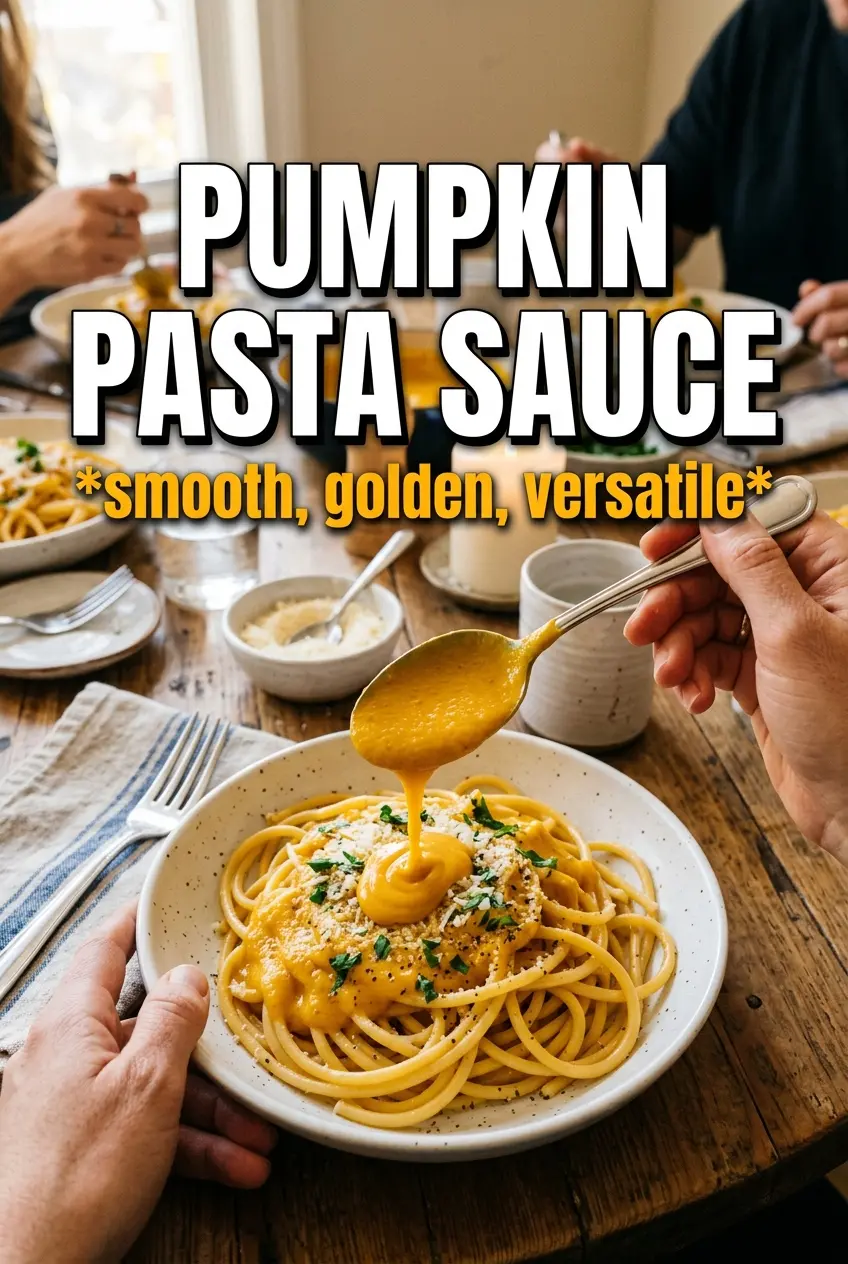
Pumpkin Pasta Sauce
Ingredients
Equipment
Method
- Bring a large pot of salted water to a boil and cook rigatoni or penne according to package directions, reserving 1 cup of pasta water before draining.
- Heat olive oil in a large skillet over medium heat until shimmering.
- Sauté diced onion for 4 minutes, then add minced garlic and cook for 1 minute, stirring until fragrant.
- Pour in dry white wine and cook for 2 minutes to deglaze the skillet, scraping up browned bits.
- Add pumpkin puree, heavy cream, Italian seasoning, nutmeg, and red pepper flakes, then simmer for 8 minutes until the sauce looks smooth and slightly thickened.
- Stir in grated parmesan until fully melted and the sauce turns glossy.
- Add the drained pasta to the skillet and toss, adding reserved pasta water as needed to loosen the sauce into a silky coating.
- Season with salt and pepper to taste.
- Serve immediately with fresh sage and extra parmesan.