Frosted apple butter sugar cookies bake up soft in the center with lightly crisp edges, and the apple butter gives the dough a warm, spiced depth that plain sugar cookies never quite have. The frosting lands somewhere between tangy and cozy, which keeps each bite from tasting one-note sweet. Add the cinnamon sugar and caramel drizzle at the end, and you get a cookie that feels finished, not just frosted.
What makes this version work is the balance. Apple butter brings moisture and flavor without making the dough cakey, but the dough still needs that chill so the cookies hold their shape in the oven. The cream cheese frosting is thick enough to spread cleanly once it’s beaten smooth, and the extra apple butter in the frosting ties the whole cookie together instead of sitting on top as an afterthought.
Below I’ll walk through the part that matters most: how to keep the cookies soft without spreading too much, plus the small frosting details that keep the topping fluffy instead of runny.
The cookies stayed thick after chilling, and the frosting set up just enough that the caramel didn’t slide off. That apple butter flavor comes through in every bite without making them taste heavy.
Save these frosted apple butter sugar cookies for when you want soft cut-out cookies with a spiced apple butter frosting and a caramel finish.
The Chilling Step That Keeps These Cookies Thick
The dough needs that full hour in the refrigerator because apple butter adds extra moisture. Skip the chill and the cookies spread before the centers have a chance to set, which turns soft cut-outs into flat rounds with ragged edges. Cold dough also rolls cleaner, so your cutter leaves sharper shapes and you waste less flour on the counter.
These cookies are meant to bake just until the edges look set and the centers still look slightly soft. They finish on the pan as they cool. If you wait for the tops to look fully baked in the oven, they’ll go dry by the time the frosting goes on.
- Chilling the dough — This is the difference between thick cookies and sad little puddles. One hour is the minimum here.
- Rolling to 1/4-inch thickness — Thicker dough keeps the centers soft. If you roll them too thin, they bake up crisp instead of tender.
- Baking just until set — Pull them when the edges are firm and the centers no longer look glossy. The residual heat does the rest.
What the Apple Butter and Cream Cheese Are Really Doing
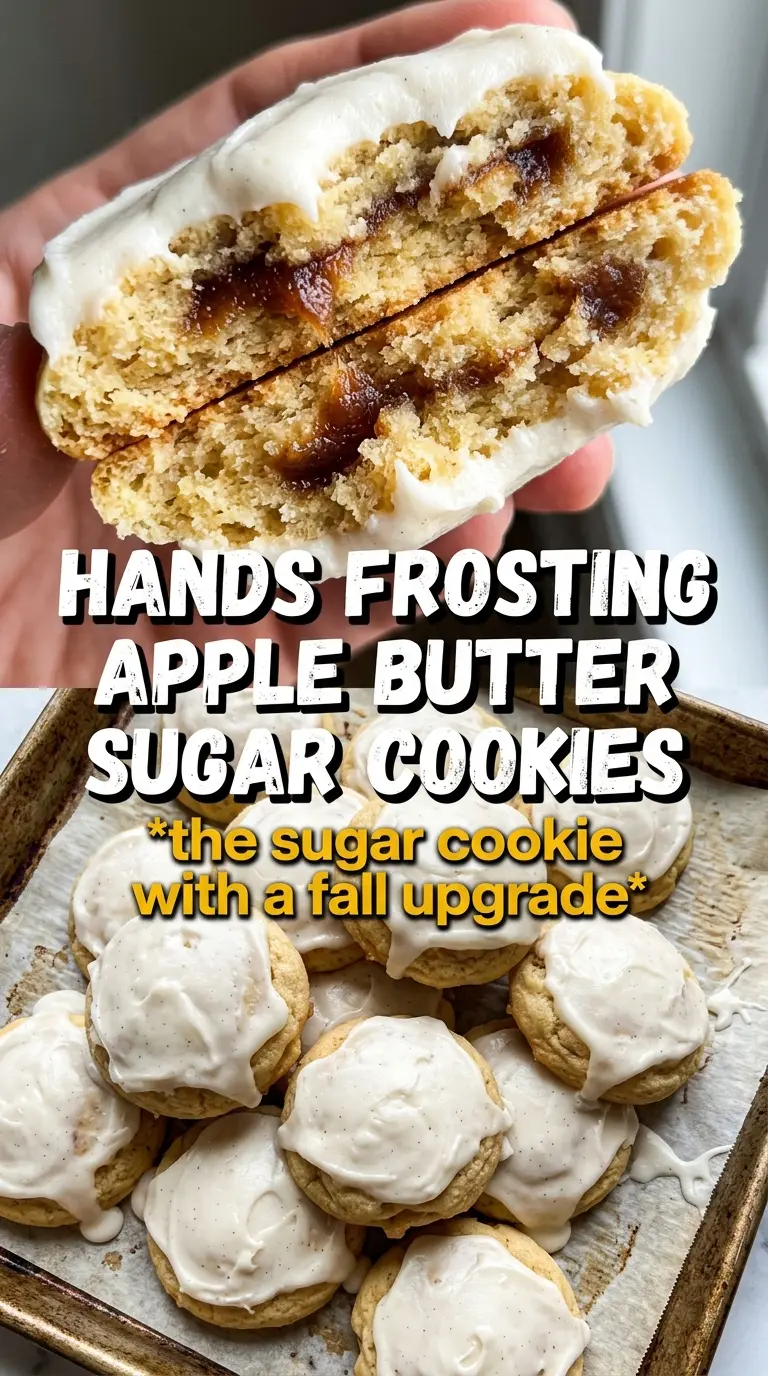
- Apple butter — This carries the apple flavor through both the cookie and the frosting without adding chunks or extra liquid. A smooth, thick apple butter works best; if yours is loose, cook it down briefly or the dough can soften too much.
- Cream cheese — This gives the frosting its tang and helps it set with a plush texture. Full-fat cream cheese makes the cleanest frosting; reduced-fat versions can turn softer and a little slack.
- Butter — Softened butter in the dough creates that classic sugar cookie tenderness, and the butter in the frosting keeps the texture spreadable. If it’s too warm, the dough gets greasy and the frosting turns loose.
- Cinnamon — The cinnamon in both parts matters because it echoes the apple butter instead of fighting it. Use fresh cinnamon if you can; stale spice tastes flat fast in a cookie like this.
- Powdered sugar — This is what turns the frosting from a glaze into a thick topping. Add it gradually so you can stop at spreadable, not stiff.
Building the Dough, Frosting It Cold, and Finishing Cleanly
Mixing the Butter and Apple Butter Base
Beat the butter, sugar, and apple butter until the mixture looks fluffy and a shade lighter. That step traps air and gives the cookies a softer bite. Add the egg and vanilla next, then stop as soon as they disappear into the batter. If you keep mixing after the flour goes in, the cookies get tougher instead of tender.
Bringing the Dough Together
Fold in the flour, baking powder, salt, and cinnamon just until the dough comes together and no dry streaks remain. The dough should feel soft but not sticky enough to smear all over your hands. If it seems loose, it usually needs the chill, not more flour. Too much flour will make the cookies dry and dull the apple butter flavor.
Cutting and Baking Without Overdoing It
Roll the chilled dough to 1/4-inch thickness and cut your shapes on a lightly floured surface. Transfer the cut cookies carefully, because warm hands and too much handling start softening the butter again. Bake at 350°F until the edges are just set and the centers still look pale. If the cookies are browned all over, they’ve gone too far for this style.
Whipping the Frosting and Finishing the Tops
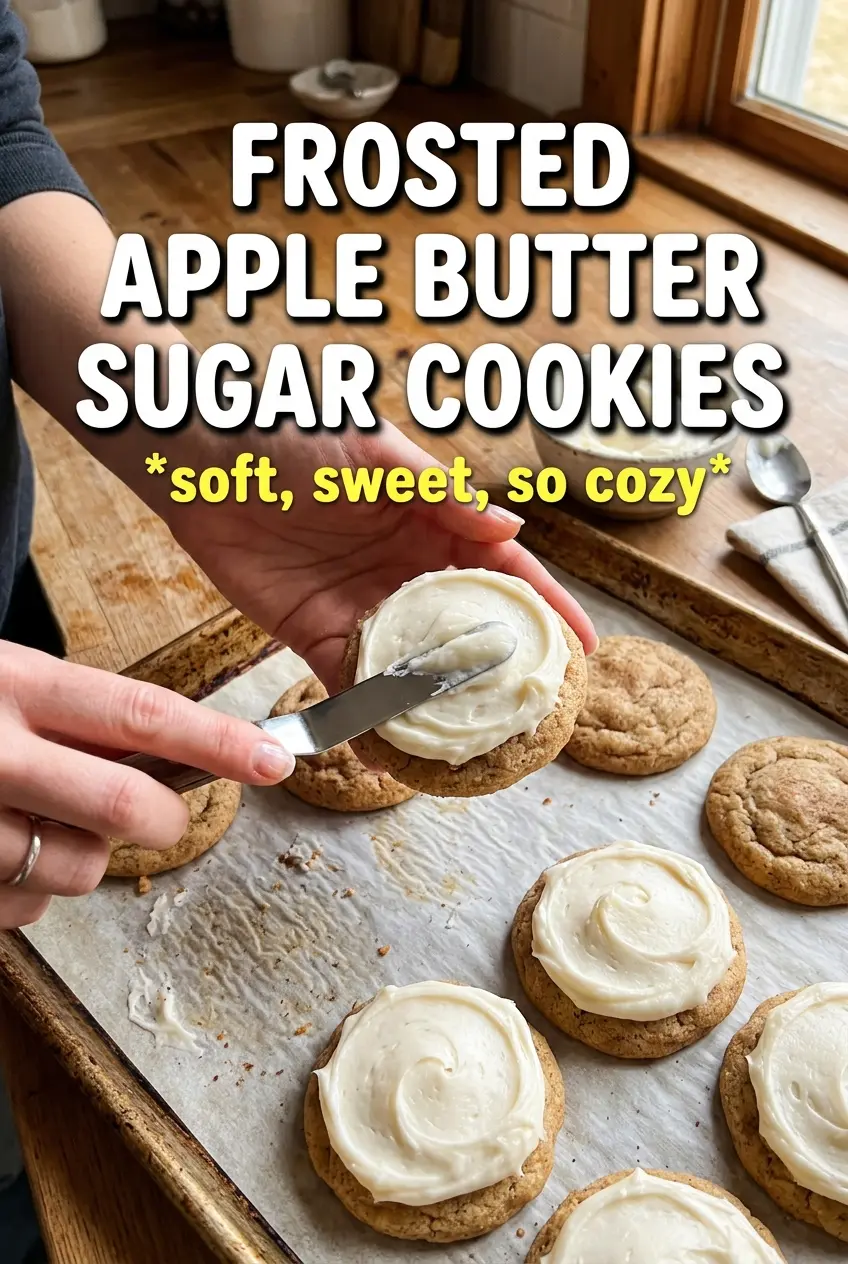
Beat the cream cheese, butter, apple butter, powdered sugar, cinnamon, and just enough milk to make a thick, spreadable frosting. It should glide over the cookie without running off the sides. Frost only after the cookies are fully cool, or the topping will melt and slide. Finish with cinnamon sugar and a light caramel drizzle so the topping stays neat instead of heavy.
How to Adjust These Cookies for a Different Crowd
Gluten-Free Dough With Better Shape
Use a 1:1 gluten-free baking flour that includes xanthan gum. The dough may feel a touch softer, so chill it well and handle it gently when cutting. The cookies will still be tender, though the edges may bake a little more delicate than the wheat-flour version.
Dairy-Free Version
Swap in plant-based butter for both the dough and frosting, then use a dairy-free cream cheese that tastes good on its own. The frosting will be a little softer, so add the milk slowly and stop as soon as it’s spreadable. The flavor stays close, but the tang will depend on the brand you pick.
Making Them Ahead
You can chill the dough overnight, which actually improves the flavor and makes the cookies easier to roll. Bake and cool the cookies first, then frost them the day you plan to serve them for the cleanest finish. If they’re stacked before the frosting sets, the caramel drizzle will smear.
Storage and Reheating
- Refrigerator: Store frosted cookies in an airtight container for up to 4 days. The frosting stays best when the layers are separated with parchment.
- Freezer: Freeze the unfrosted cookies for up to 2 months. Frosting doesn’t freeze as neatly, so add it after thawing for the best texture.
- Reheating: These cookies don’t need reheating. Let refrigerated cookies sit at room temperature for 20 to 30 minutes before serving so the frosting softens and the flavor opens up.
Questions I Get Asked About This Recipe
Frosted Apple Butter Sugar Cookies
Ingredients
Equipment
Method
- Beat the softened unsalted butter, granulated sugar, and apple butter until smooth. Add the egg and vanilla extract and beat again until fully combined.
- Fold in the all-purpose flour, baking powder, salt, and cinnamon until no dry flour remains. Stop mixing as soon as the dough comes together.
- Refrigerate the dough for 1 hour while you preheat the oven to 350F near the end of chilling. Chill helps the dough roll cleanly without spreading.
- Roll the dough to a 1/4-inch thickness on a lightly floured surface. Cut into rounds or apple shapes.
- Bake at 350F for 8-10 minutes, just until the edges look set. Remove to a sheet pan and let cookies cool completely before frosting.
- Beat the cream cheese, unsalted butter, apple butter, powdered sugar, and cinnamon until smooth and spreadable. Add milk, 1 tablespoon at a time, until it reaches a thick but spreadable texture.
- Spread frosting over each cooled cookie, covering the tops in an even layer. While frosting is set, dust with cinnamon sugar and drizzle with caramel for finishing.