Ultra-creamy smoked mac and cheese earns its place next to brisket, ribs, and pulled pork because it brings the kind of rich, smoky comfort that keeps people going back for another scoop. The pasta stays tender without turning mushy, the sauce coats every elbow, and the panko topping bakes into a crisp lid that cracks under a spoon.
The trick here is balancing a sturdy cheese sauce with gentle smoke. Sharp cheddar gives you the bold, familiar mac-and-cheese backbone, while Gouda melts into the sauce and adds that smooth, mellow depth that plays well with barbecue. Cooking the sauce before it goes into the smoker keeps the texture creamy instead of grainy, and the disposable pan makes cleanup easier when the sides are working hard at a cookout.
Below you’ll find the small details that matter: how to keep the sauce from tightening up, why the breadcrumb topping should be buttery but not soggy, and the best way to hold this dish for serving when the rest of the barbecue isn’t quite ready yet.
The Cream Sauce Has to Stay Stable Before It Meets the Smoke
The biggest mistake with smoked mac and cheese is treating the smoker like it will fix a sauce that isn’t finished yet. It won’t. The sauce needs to be fully smooth on the stove first, with the cheese melted in over low heat so it stays glossy instead of turning grainy. Once the cheese sauce has thickness and shine, the smoker only adds flavor and a little set on top.
This is also why the pasta gets mixed in after the sauce is done, not cooked together in the pan from the start. Elbow macaroni holds the sauce well, but it keeps absorbing liquid as it sits in the smoker. Starting with a sauce that is a little looser than you think helps it stay creamy after 60 to 90 minutes of heat.
What the Cheddar, Gouda, and Breadcrumbs Are Each Doing Here
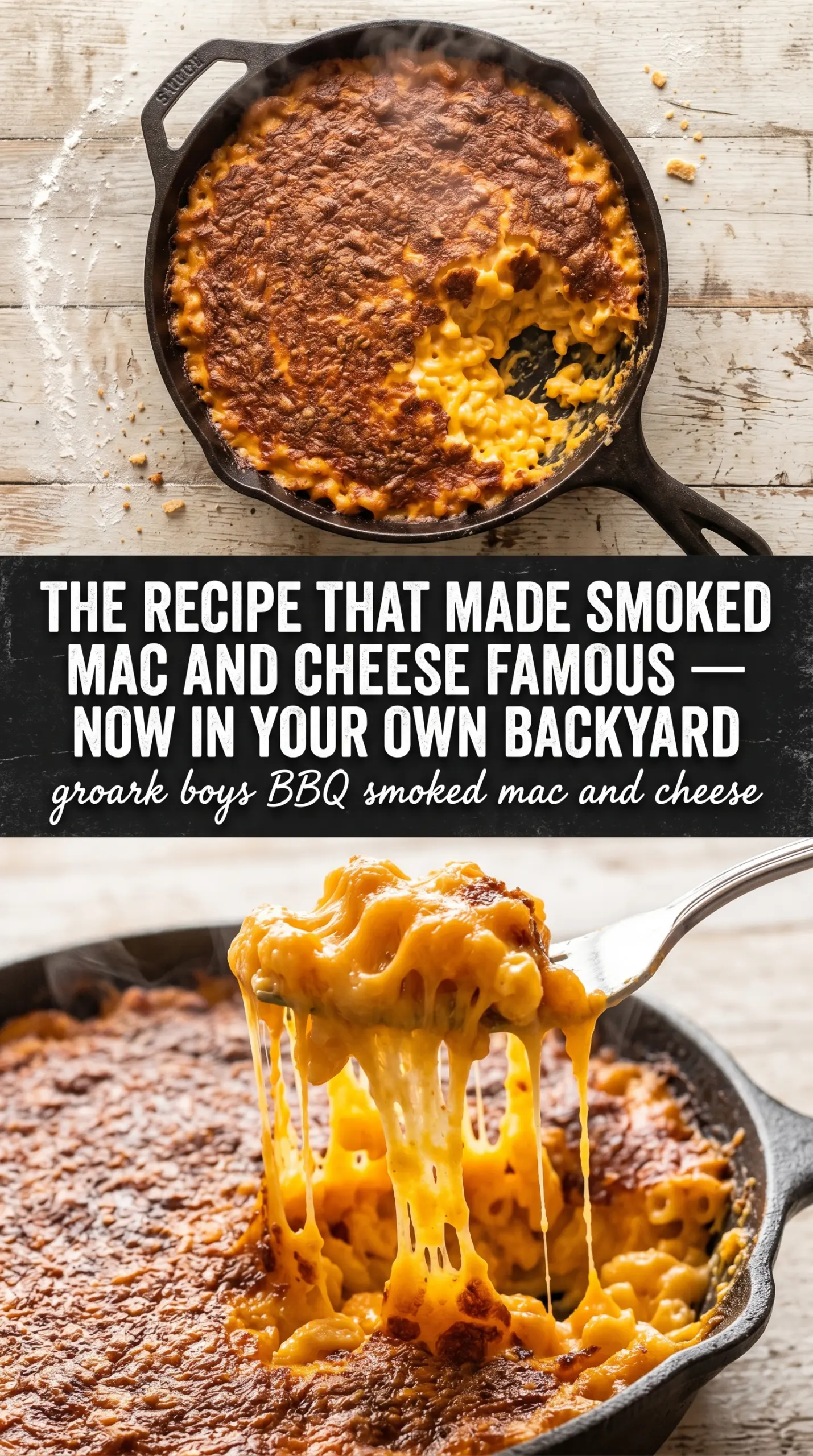
- Sharp cheddar This gives the mac its bold, recognizable cheese flavor. Use a good block and shred it yourself if you can, because pre-shredded cheese often has anti-caking starches that can make the sauce less silky.
- Gouda Gouda melts smoothly and brings a round, slightly sweet depth that cheddar alone doesn’t give you. Smoked Gouda works if you want a louder smoke note, but regular Gouda keeps the flavor balanced and lets the wood smoke in the cooker stay front and center.
- Whole milk and heavy cream This combination keeps the sauce rich without becoming cloying. If you need to swap, use half-and-half in place of both, but the finished sauce will be a little lighter and won’t cling quite as luxuriously to the pasta.
- Panko breadcrumbs Panko gives you the crisp top that regular breadcrumbs usually can’t match. Toss them with melted butter until they look evenly damp, not wet, so they toast into a golden crust instead of baking into paste.
Building the Pan So the Top Stays Crisp and the Middle Stays Creamy
Cooking the Pasta Just Past Al Dente
Boil the macaroni until it’s just a touch underdone, then drain it well. It will keep softening in the smoker, and if you start with fully tender pasta, the final texture turns soft instead of satisfying. Shake off excess water before it goes into the sauce, because watery pasta is one of the fastest ways to thin the cheese mixture too much.
Whisking the Roux Without Letting It Color
Melt the butter, whisk in the flour, and cook it just long enough to lose the raw flour smell. You want a pale paste, not a browned one, because this sauce is about creaminess and clean dairy flavor, not a toasted gravy base. When the milk and cream go in, whisk steadily until the mixture smooths out before the cheese is added.
Melting the Cheese Off the Heat
Pull the pan back from direct heat before adding the cheddar and Gouda. If the sauce is too hot when the cheese goes in, the fats can separate and the sauce turns slick or grainy. Stir until the cheese melts completely and the sauce looks thick, smooth, and slightly elastic when you lift the spoon.
Smoking Until Bubbly With a Golden Lid
Spread the mac and cheese in a disposable aluminum pan, then scatter the buttery panko over the top. At 225°F, the edges should bubble first and the topping should slowly turn deep gold. If the top browns too fast before the center is hot, tent it loosely with foil for part of the cook and uncover it near the end so the crust finishes crisp.
Make It Smokier With a Stronger Wood
Use hickory or a mild fruit wood if you want the smoke to show up more clearly in the final dish. Hickory gives the boldest barbecue character, while apple or cherry keeps the smoke softer and more family-friendly. Keep the cook time in the same range, since the real difference comes from the wood, not from adding extra time.
Gluten-Free Version With the Same Creamy Center
Swap the all-purpose flour for a gluten-free flour blend that thickens like regular flour, and use gluten-free pasta and breadcrumbs. The sauce still turns creamy, but the pasta will be a little more delicate, so stop cooking it on the stove while it still has some bite. That keeps it from breaking apart after a long smoke.
Dairy-Light Swap for a Less Heavy Side
Use evaporated milk in place of the heavy cream and reduce the cheddar slightly while keeping the Gouda for meltability. You won’t get the same lush finish, but the dish still stays creamy and barbecue-friendly. This works best when the mac and cheese is serving a big platter and you want it a little less rich.
Holding It for a Crowd
If the rest of the barbecue needs time, keep the pan covered loosely with foil in a low oven around 200°F after the smoke is done. The sauce will tighten a bit as it sits, so stir in a splash of warm milk before serving if it looks too thick. That brings the creaminess back without making the top soggy.
Storage and Reheating
- Refrigerator: Store leftovers covered for up to 4 days. The sauce will thicken as it chills, and the topping will soften a little.
- Freezer: It freezes, but the texture takes a hit after thawing. Freeze in portions, tightly wrapped, and expect the sauce to be a little less smooth when reheated.
- Reheating: Reheat covered in a 325°F oven with a splash of milk stirred in first, or warm smaller portions in the microwave at medium power. High heat is what dries out the pasta and makes the cheese sauce separate.
Questions I Get Asked About This Recipe
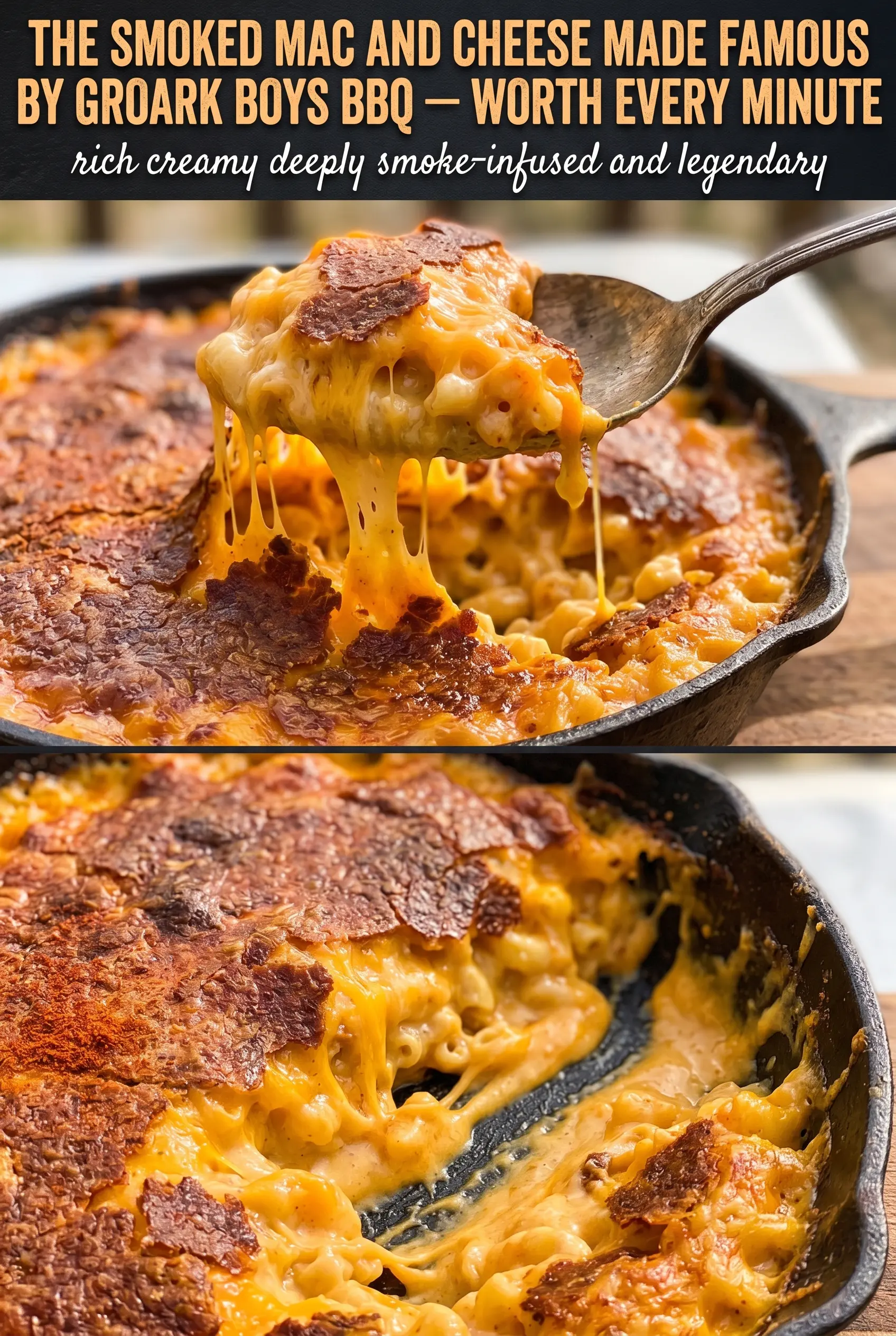
Groark Boys BBQ Smoked Mac and Cheese
Ingredients
Equipment
Method
- Prepare your smoker to 225°F using your choice of wood, keeping the temperature steady before loading the pan.
- Melt the butter over medium heat until fully liquefied, then whisk in the all-purpose flour to form a smooth roux.
- Slowly whisk in the whole milk and heavy cream until the mixture is thick and smooth.
- Add the sharp cheddar cheese and Gouda cheese and whisk until melted and glossy, then stir in the garlic powder, onion powder, and salt and pepper to taste.
- Mix the cooked elbow macaroni into the cheese sauce until every noodle is coated.
- Transfer the mac and cheese to a disposable aluminum pan and spread into an even layer.
- Combine the panko breadcrumbs with the melted butter, then sprinkle evenly over the top.
- Smoke at 225°F for 60-90 minutes, until the mixture is bubbly in the center and the panko top is golden.
- Let the smoked mac and cheese rest for 10 minutes before serving to set up the creamy texture.