Ground beef curry earns its place in the weeknight rotation because it delivers a deep, slow-cooked taste in far less time than the flavor suggests. The sauce turns rich and aromatic as the onions cook down, the spices bloom in the oil, and the tomatoes and yogurt reduce into something thick enough to cling to every bite of rice. It’s the kind of meal that fills the kitchen with the smell of toasted cumin and ginger before dinner is even on the table.
The key is building the base in stages instead of dumping everything in at once. The onions need time to go truly golden, not just soft, because that sweetness balances the beef and the heat of the spices. Yogurt goes in after the tomatoes so it can mellow into the sauce instead of curdling, and garam masala waits until the end so its warmer, fresher notes stay intact.
Below, I’ve included the little details that matter most: how to know when the sauce has reduced enough, which spice swap works in a pinch, and how to keep the curry from tasting flat if your tomatoes are a little bland.
The onions took on this deep golden color and the sauce thickened beautifully without getting greasy. I served it over basmati rice and my husband went back for seconds before I even sat down.
Save this ground beef curry for the nights when you want a richly spiced tomato-onion sauce with almost no fuss.
The Onion Stage That Keeps This Curry from Tasting Flat
The onions are doing more work here than most people realize. If they only soften, the curry can taste sharp and one-dimensional. Cook them until they turn deep golden and smell sweet at the edges; that’s where the base starts tasting rounded and savory instead of raw and hurried.
Spices need fat and time to open up. Once the cumin, coriander, turmeric, and chili powder hit the hot oil, stir them just long enough to smell them bloom. If they sit too long, they can turn bitter; if they go in cold with the tomatoes, they stay dusty and muted.
- Golden onions — This is the foundation of the sauce. Don’t rush them, because the color and sweetness they build can’t be faked later.
- Fresh ginger and garlic — These add brightness and warmth. Fresh is worth using here; jarred garlic won’t give the same sharp, lively base.
- Garam masala — Save this for the end. It tastes fuller and fresher when it doesn’t spend the whole cook in the pan.
What Each Spice Is Actually Doing in the Pan

- Ground beef — Use beef with enough fat to stay juicy, then drain the excess after browning. Very lean beef can work, but the curry may taste a little drier and need that extra splash of water at the end.
- Plain yogurt — This gives the sauce a gentle tang and helps it turn silky. Add it after the tomatoes have started to break down so it blends into the sauce instead of splitting.
- Roma tomatoes — Roma tomatoes keep the sauce from getting watery. If your tomatoes are pale or bland, a pinch more salt and a little extra simmering time will pull the sauce into balance.
- Cumin, coriander, turmeric, chili powder — This is the backbone of the curry. Ground spices work best here, though if your chili powder is hot rather than mild, start with a little less and build up after tasting.
Building the Curry So the Sauce Stays Rich, Not Greasy
Cooking the Onions Until They Carry the Dish
Warm the oil over medium heat and give the onions the time they need to soften, then deepen in color. You’re looking for a rich golden brown, not burnt edges or limp translucence. Stir often enough to keep them from scorching, but not so much that they steam in their own moisture. This is the point where the final sauce gets its depth.
Blooming the Spices Before the Beef Goes In
Add the garlic and ginger first, then the spices, and stir for just about 30 seconds. The pan should smell fragrant and warm, not acrid. If the mixture looks dry, the oil is too low or the pan is too hot; either way, pull it back before the spices catch. This quick step keeps the curry from tasting like simmered powder.
Browning the Beef and Reducing the Sauce
Add the ground beef and break it apart as it cooks, letting it pick up some color before you drain the fat. Once the tomatoes and yogurt go in, simmer until the sauce looks thicker and the oil starts to separate around the edges. That split is a good sign here, not a problem — it means the tomatoes have cooked down and the spices have settled into the sauce. If it still looks loose after 10 minutes, keep it on the heat a bit longer rather than adding more water too soon.
Finishing with Garam Masala and Cilantro
Stir in the garam masala at the end, then taste for salt. This final addition gives the curry its warm top note, the part that smells finished the moment it hits the bowl. If the sauce tastes flat, the fix is usually salt, not more spice. Spoon it over basmati rice and finish with cilantro for a fresh contrast against the rich sauce.
How to Adapt This Curry When You Need a Different Version
Make It Dairy-Free
Swap the yogurt for unsweetened coconut milk or a spoonful of cashew cream. Coconut milk gives the sauce a softer, slightly sweeter finish, while cashew cream keeps it closer to the original texture without adding coconut flavor.
Make It Gluten-Free Without Changing the Technique
This curry is naturally gluten-free as written, as long as your spices are certified gluten-free and you serve it with plain rice. That means you can keep every cooking step the same and still get the same thick, spoonable sauce.
Swap in Ground Turkey or Lamb
Ground turkey makes a lighter curry, but it needs the onions and spices to carry more of the flavor, so don’t skimp on browning. Ground lamb gives you a deeper, richer result and leans closer to keema curry, though it usually needs a little more fat drained off after cooking.
Use It for Meal Prep
This curry holds up well for lunches because the sauce gets a little more cohesive after a night in the fridge. Store the rice separately so it doesn’t soak up all the sauce, then add a splash of water when reheating if the curry has tightened up.
Storage and Reheating
- Refrigerator: Keep in an airtight container for up to 4 days. The sauce thickens as it sits, which is normal.
- Freezer: It freezes well for up to 2 months. Cool it completely first and freeze in flat portions for faster thawing.
- Reheating: Warm gently on the stove over low to medium heat with a splash of water to loosen the sauce. Don’t blast it on high heat, or the yogurt can take on a grainy texture.
Questions I Get Asked About This Recipe
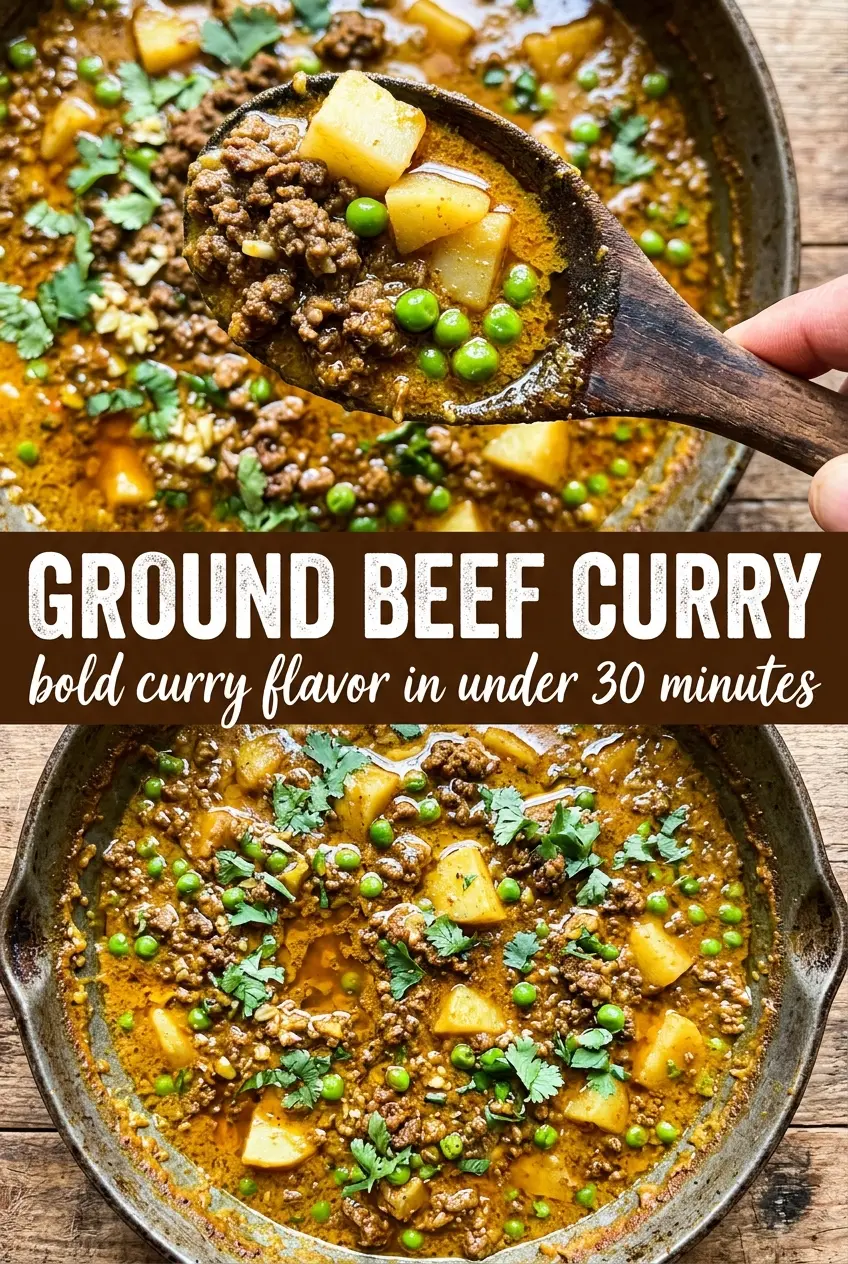
Ground Beef Curry
Ingredients
Equipment
Method
- Heat 3 tablespoons oil in a large skillet over medium heat, then cook the onion for 8–10 minutes until deep golden.
- Add garlic and grated ginger and cook 1 minute, then stir in cumin, coriander, turmeric, and chili powder for 30 seconds.
- Add ground beef and cook, breaking apart, until browned; drain excess fat.
- Stir in diced roma tomatoes and 1/4 cup plain yogurt, then cook 8–10 minutes until the sauce thickens and oil separates.
- Add 1/4 cup water if needed and simmer for 5 more minutes.
- Stir in garam masala, adjust seasoning with salt, garnish with fresh cilantro, and serve over basmati rice.