Silky Gruyere sauce clings to every ridge of pasta, with deeply browned mushrooms adding the kind of savory depth that makes a bowl of noodles feel special without turning fussy. The mushrooms stay meaty instead of watery, the sauce turns glossy instead of heavy, and the whole dish lands somewhere between weeknight comfort and dinner-party worthy.
The difference here comes down to heat and patience at the right moments. The mushrooms need space in the pan so they can brown before they give up too much liquid, and the cheese goes into a warm sauce that’s simmered down enough to coat a spoon. Gruyere melts with a smooth, nutty finish, but it still needs gentle treatment; too much heat and it can turn stringy or grainy.
Below, I’ve broken down the part that matters most, which ingredient swap works when you need one, and what to do if you want to make this ahead and reheat it without losing that creamy finish.
The mushrooms got that deep browned edge I never seem to get when I rush them, and the Gruyere melted into a sauce that stayed creamy all the way through dinner. My husband went back for seconds before I even sat down.
Save this Mushroom Gruyere Pasta for the night you want a creamy mushroom sauce with real browned flavor and no grainy cheese.
The Difference Between Browned Mushrooms and Watery Ones
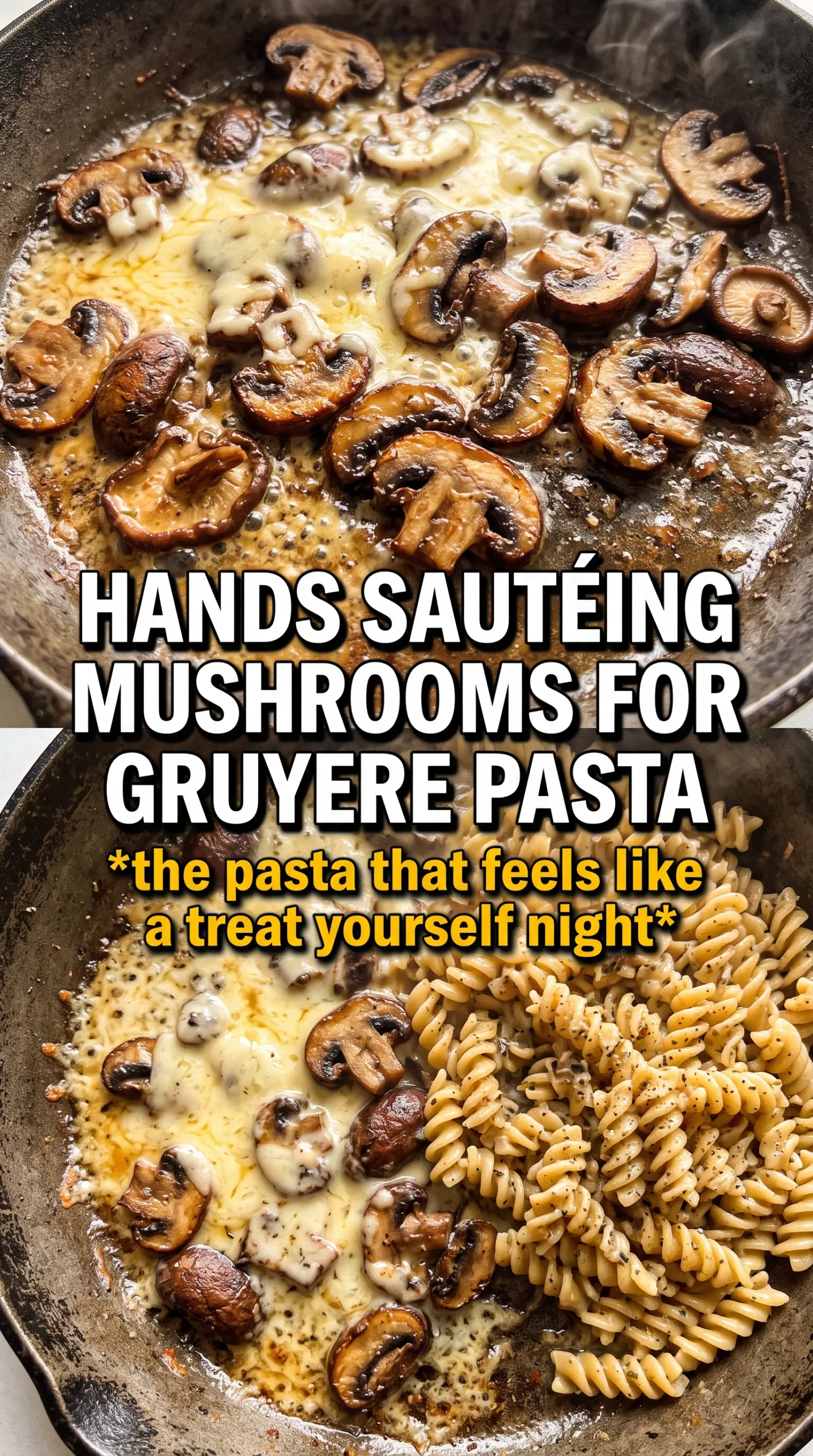
Mushrooms need direct contact with a hot pan and enough room to breathe. If they’re crowded, they steam first and brown later, which leaves you with soft, gray pieces and a sauce that tastes flat. Let them sit undisturbed for those first few minutes. That’s when the flavor builds.
The other trap is adding the garlic and shallot too early. They burn before the mushrooms are finished releasing their moisture, and burnt alliums make the whole sauce taste harsh. Add them after the mushrooms have already picked up color, when the pan is still hot but the vegetables are past the wet stage.
- Mixed mushrooms — The mix matters here. Cremini give you a sturdy base, shiitake bring deeper savoriness, and oyster mushrooms add a softer, more luxurious bite. If you only have cremini, the dish still works, but the flavor gets less layered.
- Dry white wine — This cuts through the richness and lifts the browned bits from the pan. Use something you’d actually drink; harsh cooking wine will show up in the finished sauce.
- Gruyere — This is the backbone of the sauce. It melts smoothly and brings a nutty, almost sweet edge that cheddar can’t fully replace. If you need a substitute, Fontina is the closest practical swap.
- Heavy cream — Cream keeps the sauce stable once the cheese goes in. Half-and-half can work in a pinch, but it won’t give the same plush texture and it’s more likely to break if you boil it hard.
- Pasta water — Don’t skip this. The starch in the water helps the sauce cling to the pasta and loosens it just enough to coat without turning soupy.
What Each Ingredient Is Actually Doing in This Recipe
- Primary ingredient (the star) — Quality matters most. Choose the best you can find.
- Cooking medium (oil, butter, or broth) — This carries flavors and prevents dryness.
- Seasonings (salt, pepper, spices, herbs) — Layer flavors so nothing overpowers. Build depth gradually.
- Aromatics (garlic, onion, herbs) — Cook with fat to bloom flavors. Become the foundation.
- Supporting ingredients — Complement the main ingredient without overpowering it.
- Sauce or liquid (if applicable) — Brings flavors together. Balance richness with acid.
- Acid (lemon, vinegar, wine, or other) — Brightens and prevents flat-tasting results.
- Final finish (garnish, glaze, or sauce) — Prevents one-dimensional taste and adds visual appeal.
Building the Sauce Without Breaking the Gruyere
Brown the mushrooms first
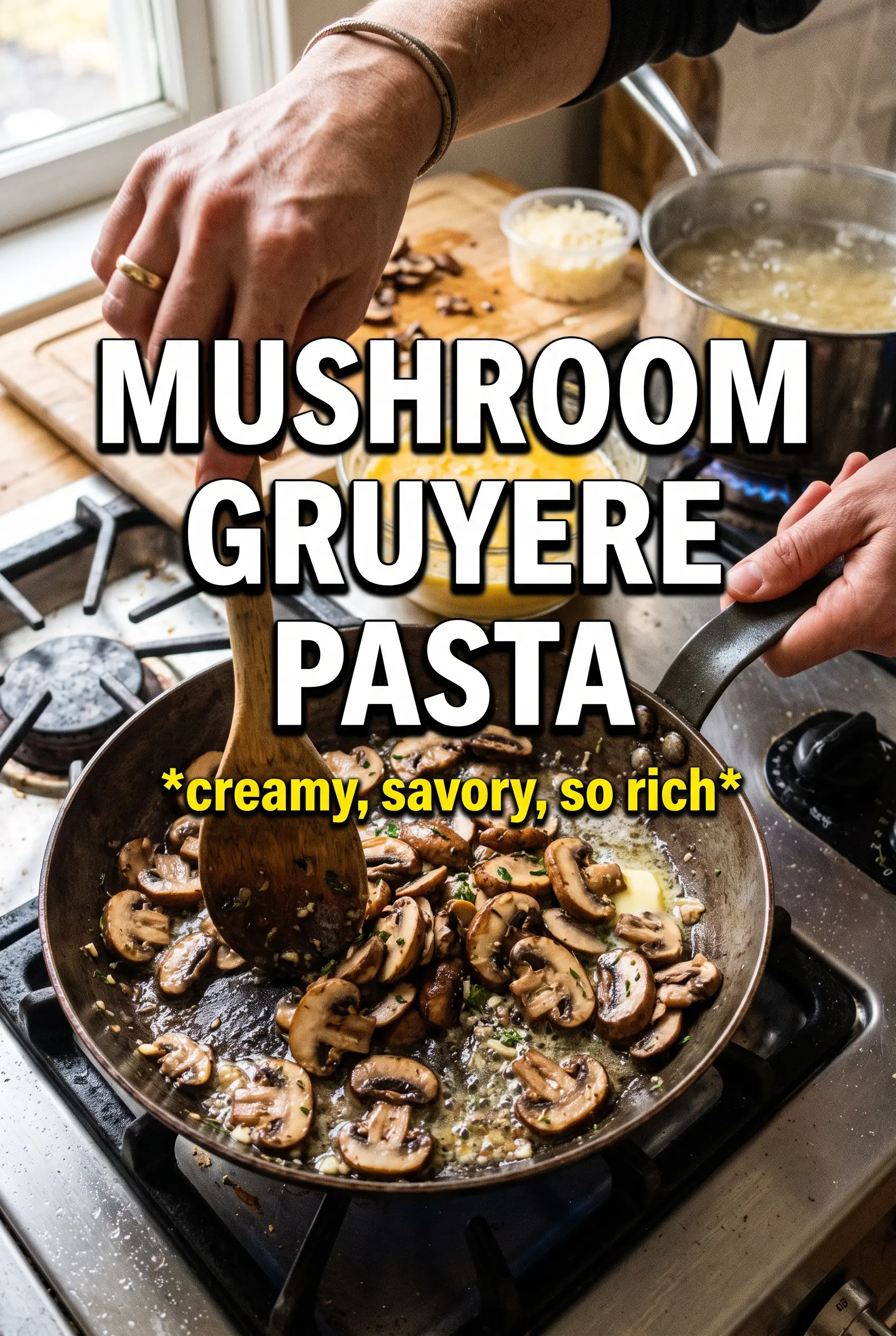
Heat the butter in a large skillet and add the mushrooms in a single layer if you can. Leave them alone for 4 to 5 minutes so they can sear instead of sweat. You’re looking for deep golden edges and a pan that smells nutty, not wet. If liquid pools at the bottom right away, the pan is too crowded or not hot enough.
Add the aromatics after the color is there
Once the mushrooms have browned, stir in the shallot, garlic, and thyme. Cook just until the shallot softens and the garlic smells fragrant, about 2 minutes. If the garlic starts to color too fast, lower the heat immediately. Garlic only needs to perfume the pan here; it should never taste toasted or bitter in the finished sauce.
Reduce the liquid before the cheese goes in
Pour in the wine and scrape up the browned bits from the bottom of the skillet. Let it cook for a minute or two, then add the cream and broth and simmer until the sauce thickens slightly and looks glossy. This step matters because Gruyere behaves better in a sauce that’s already concentrated. If the base is too thin, you’ll end up chasing texture with more cheese instead of building it correctly.
Finish with cheese off the hardest heat
Take the pan down to a gentle simmer before you stir in the Gruyere. Add it gradually and stir until melted and smooth. If the sauce looks grainy, the heat was too high; pull the pan off the burner for a minute and keep stirring. Toss in the pasta, then use a splash of reserved pasta water to loosen everything until the sauce coats the noodles in a shiny layer.
Make it vegetarian without losing depth
Use vegetable broth instead of chicken broth and keep the rest the same. The mushrooms already carry a lot of the savory weight, so this swap doesn’t leave the dish feeling thin. Just pick a broth that tastes clean, not overly salty.
Make it lighter with a cream-and-milk blend
You can replace part of the heavy cream with whole milk, but the sauce will be looser and a little less plush. Keep the heat low and don’t let it boil hard, since the lighter mixture is more likely to split. This version tastes good, just less decadent.
Use gluten-free pasta without changing the sauce
A sturdy gluten-free rigatoni works well here, especially one made with corn or rice blends that hold their shape. Cook it just shy of done so it doesn’t fall apart when tossed with the sauce. Save extra pasta water anyway; it still helps the sauce cling.
Storage and Reheating
- Refrigerator: Store leftovers in an airtight container for up to 3 days. The sauce will thicken as it sits, and the pasta will absorb some of it.
- Freezer: I don’t recommend freezing this one. Creamy cheese sauces tend to separate after thawing, and the mushrooms turn soft.
- Reheating: Warm gently on the stovetop over low heat with a splash of broth, milk, or water to loosen the sauce. Don’t blast it in the microwave on high, or the cheese can turn oily and the pasta can dry out before the center heats through.
Questions I Get Asked About This Recipe
Mushroom Gruyere Pasta
Ingredients
Equipment
Method
- Boil salted water and cook the rigatoni or pappardelle until al dente, then reserve 1 cup pasta water and drain the pasta.
- Melt the unsalted butter in a large skillet and cook the mixed mushrooms over high heat without stirring for 4-5 minutes, until deeply golden (leave them undisturbed for browning).
- Stir and continue cooking for 3 more minutes, then add the minced shallot, minced garlic, and fresh thyme and cook for 2 minutes until fragrant.
- Deglaze the pan with the dry white wine, scraping up any browned bits, then stir in the heavy cream and broth and simmer for 5 minutes until slightly thickened.
- Reduce heat to low and stir in the shredded Gruyere until fully melted, then toss in the cooked pasta and add pasta water as needed to make the sauce silky and clingy.
- Season with salt and pepper to taste, then top with fresh parsley before serving.