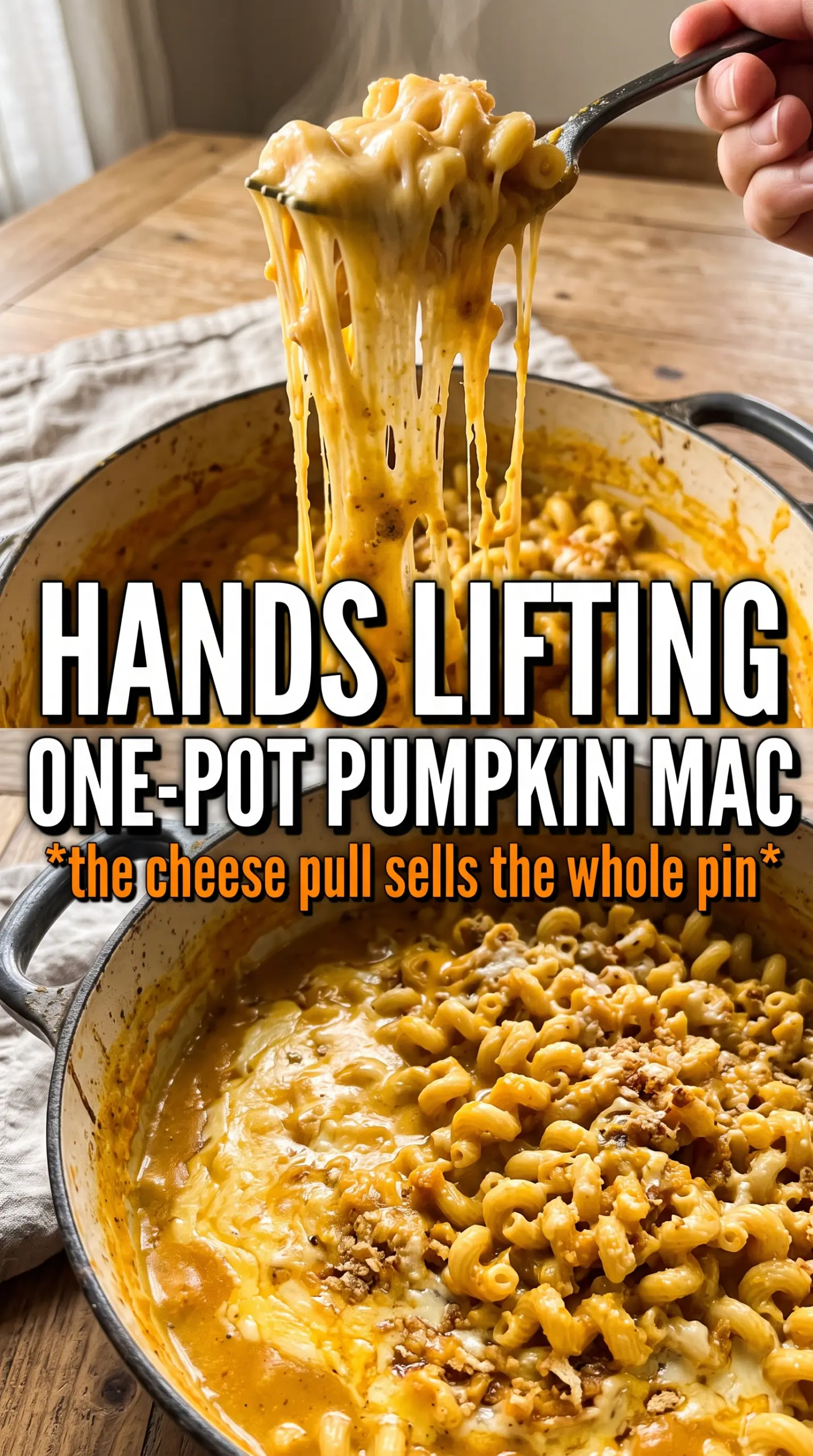
One-pot pumpkin mac and cheese lands with the kind of creamy, spoon-coating texture that makes a second helping feel unavoidable. The pumpkin doesn’t turn it into a sweet pasta dish; it gives the sauce body, a little silkiness, and that warm orange color that makes the whole pot look extra inviting. The best part is that the pasta cooks right in the broth and milk, so it drinks in flavor instead of boiling away in plain water.
The trick here is keeping the heat steady and letting the liquid reduce just enough before the cheese goes in. Pumpkin puree, cream cheese, and sharp cheddar work together to make a sauce that tastes rich without needing a separate roux. Dijon sharpens everything up, while smoked paprika and nutmeg keep the pumpkin in the background where it belongs.
Below, I’ve included the timing cue that keeps the pasta from getting mushy, plus a few swaps that still give you a creamy finish if you need to work around what’s in the fridge.
The sauce thickened right up when the pasta finished cooking, and the pumpkin stayed in the background instead of taking over. I added an extra pinch of smoked paprika on top and my husband asked for it again the next night.
Save this one-pot pumpkin mac and cheese for a creamy dinner that comes together in a single pot with almost no cleanup.
The Reason This Pasta Stays Creamy Instead of Gluey
The biggest mistake with one-pot mac and cheese is rushing the liquid reduction. If the pasta is still floating in too much broth and milk when the cheese goes in, the sauce never gets a chance to tighten up and coat the noodles. Here, the pasta cooks until it’s tender and the pot looks a little looser than finished, then the heat drops before the dairy-heavy ingredients are added.
That lower heat matters. Cheese melts best when the pot isn’t roaring, and pumpkin puree can thicken the sauce without turning it grainy. Stir often during the simmer so the pasta doesn’t stick to the bottom, and pay attention to the look of the sauce: it should cling to the spoon, not run off like soup.
- Uncooked elbow pasta — Elbows hold the sauce in every curve and give you that classic mac texture. Other short pasta shapes work, but longer shapes won’t capture the pumpkin-cheddar sauce the same way.
- Whole milk — The fat helps the sauce stay smooth. Lower-fat milk works in a pinch, but the result will be thinner and less plush.
- Sharp cheddar — Sharp cheddar brings the bite that keeps the pumpkin from tasting flat. Mild cheddar melts fine, but the flavor gets softer and less defined.
- Cream cheese — This is the insurance policy for a silky sauce. If you skip it, the pasta still works, but the finish is less velvety.
What Each Ingredient Is Doing in the Pot
- Broth — This seasons the pasta from the inside as it cooks. Vegetable broth keeps it vegetarian, and chicken broth gives a little more savory depth.
- Pumpkin puree — Use plain pumpkin puree, not pumpkin pie filling. The puree thickens the sauce and gives it that warm color without adding sweetness you don’t want.
- Dijon mustard — It won’t make the dish taste like mustard. It sharpens the cheese and keeps the sauce from tasting heavy.
- Smoked paprika and nutmeg — These two ingredients make the pumpkin taste rounded instead of one-note. The paprika adds a little smoky warmth, and the nutmeg nudges the sauce toward cozy without making it dessert-like.
- Butter — It gives the sauce a glossy finish and helps carry the flavor of the spices. Salted butter works if that’s what you have; just hold back a little salt at the end.
The Part Where the Sauce Comes Together
Cooking the Pasta in the Liquid
Bring the pasta, broth, and milk to a boil, then drop the heat enough to keep a steady simmer. Stir often, especially along the bottom and corners of the pot, because that’s where the starch wants to settle and scorch. As the pasta cooks, the liquid should reduce and thicken at the same time. If the pot looks dry before the noodles are tender, add a splash more milk or broth and keep going.
Stirring in the Pumpkin Base
Once most of the liquid is absorbed and the pasta is just tender, stir in the pumpkin, butter, cream cheese, Dijon, smoked paprika, garlic powder, and nutmeg. The pot should be over low heat here. If you add the dairy over high heat, the sauce can turn grainy and separate instead of turning glossy and smooth.
Melting the Cheddar Without Breaking It
Add the shredded cheddar in handfuls, stirring after each addition until it melts before adding the next. This keeps the sauce from clumping and helps it stay creamy. Freshly shredded cheese melts more cleanly than pre-shredded, which often has anti-caking starches that can make the sauce feel a little gritty. When the last handful disappears and the sauce looks thick and elastic, it’s ready.
How to Adjust It When You Need to Work With What You Have
Make it vegetarian
Use vegetable broth instead of chicken broth. The rest of the recipe already leans vegetarian, so this swap keeps the same creamy texture and pumpkin-cheddar balance without changing the method.
Make it gluten-free
Use a sturdy gluten-free elbow pasta and watch the simmer closely, because gluten-free pasta can go from firm to soft fast. If the pasta starts absorbing liquid before it’s tender, add more broth a splash at a time so the sauce still finishes in the pot.
Swap the cheddar
A blend of cheddar and Gruyère gives the dish a deeper, nuttier finish, while Monterey Jack makes it milder and even silkier. Just keep at least part of the cheese sharp so the pumpkin doesn’t take over the whole pot.
Storage and Reheating
- Refrigerator: Store leftovers in an airtight container for up to 4 days. The sauce will thicken as it chills.
- Freezer: It can be frozen, but the texture softens a bit after thawing. Freeze in portions and expect the sauce to need a little help when reheated.
- Reheating: Warm it gently on the stove or in the microwave with a splash of milk or broth, stirring until the sauce loosens again. High heat dries out the pasta and can make the cheese separate.
Questions I Get Asked About This Recipe
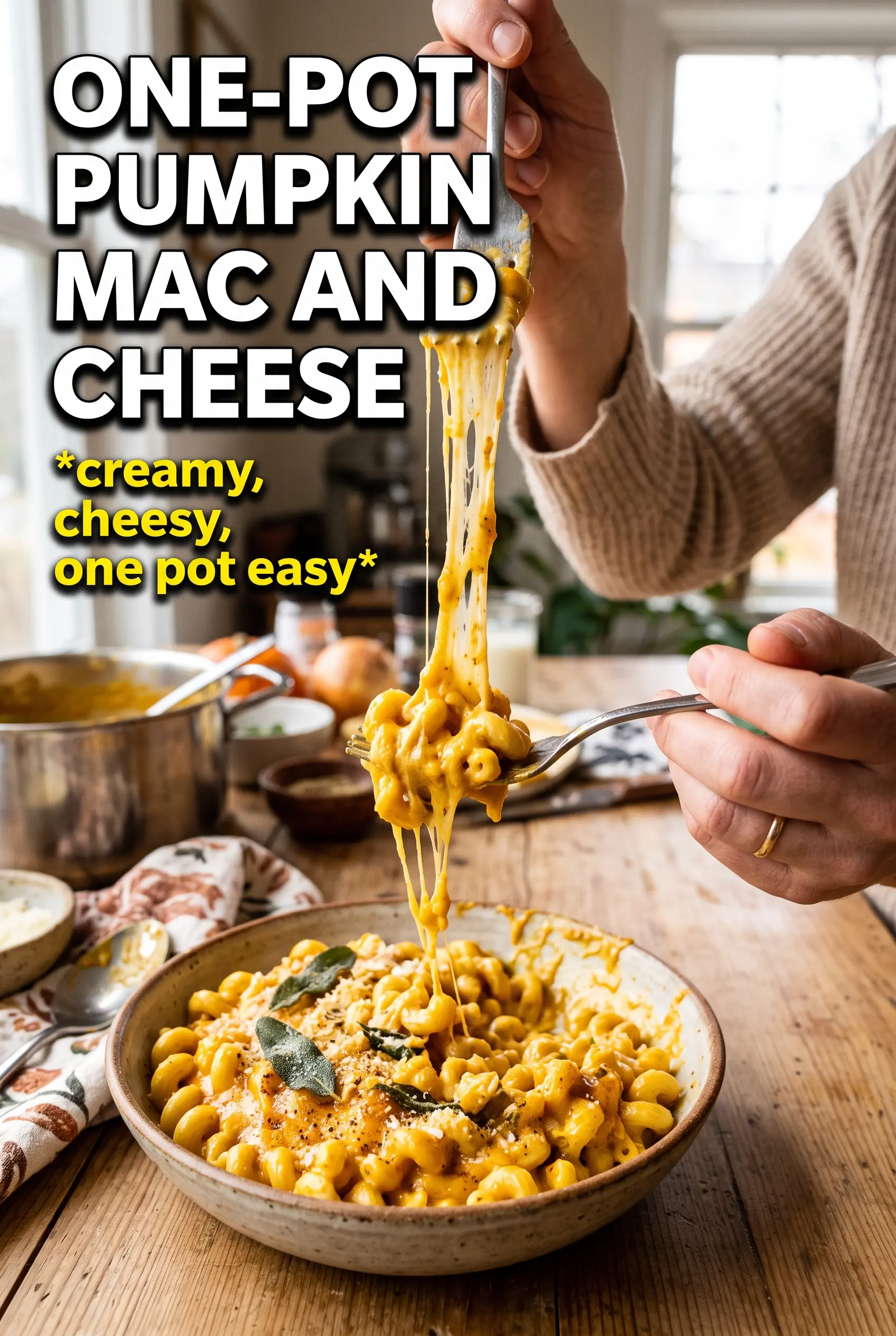
One-Pot Pumpkin Mac And Cheese
Ingredients
Equipment
Method
- Combine elbow pasta, chicken or vegetable broth, and whole milk in a large pot or Dutch oven, then bring to a boil over medium-high heat until bubbling.
- Reduce heat to a simmer uncovered for 8-10 minutes, stirring frequently, until pasta is cooked and most liquid is absorbed.
- Reduce heat to low, then stir in pumpkin puree, unsalted butter, cream cheese, Dijon mustard, smoked paprika, garlic powder, and nutmeg until smooth.
- Add sharp cheddar in handfuls, stirring until fully melted and the sauce turns creamy and glossy across the pasta.
- Season with salt and pepper to taste, then serve immediately while hot.