Paula Deen banana bread bakes up with a rich, buttery crumb that lands somewhere between classic banana bread and a soft slice of pound cake. The crust turns deeply golden, the center stays moist without feeling gummy, and every slice tastes like it was meant to be eaten warm with a little extra butter melting right into it.
The texture comes from the way the butter and sugar are beaten together before anything else. That step traps air, which gives this loaf a little lift even though it’s dense and tender. The bananas bring moisture and flavor, but they don’t overpower the butter, which is what makes this version feel so Southern and old-fashioned in the best way. I’ve also included the small details that keep the crumb tight instead of wet and help the loaf bake through without drying out at the edges.
Keep reading for the one mixing cue that matters most, plus a few easy ways to adapt the loaf if you want pecans, less sweetness, or a dairy-free version.
The loaf came out dense in the best way, with that buttery crust on the outside and a moist crumb all the way through. I followed the beating time for the butter and sugar, and it really made the texture lighter than I expected.
Save this butter-rich Paula Deen banana bread for the days when you want a golden, pound-cake-style loaf with a moist crumb and a deep banana flavor.
The butter-and-banana balance that keeps this loaf from turning heavy
Banana bread gets weighed down fast when the fruit goes in without enough structure or the batter is mixed too much after the flour is added. This version avoids that by leaning on the creamed butter and sugar for lift, then folding the dry ingredients in just until the streaks disappear. That keeps the crumb tender instead of tight and pasty.
The other thing that matters here is banana ripeness. You want bananas with plenty of brown spotting and a soft, almost collapsing feel. Under-ripe bananas won’t give you the same sweetness or aroma, and if you add extra banana to force the flavor, the loaf can bake up wet in the middle before the edges are set.
What the main ingredients are doing in this banana bread
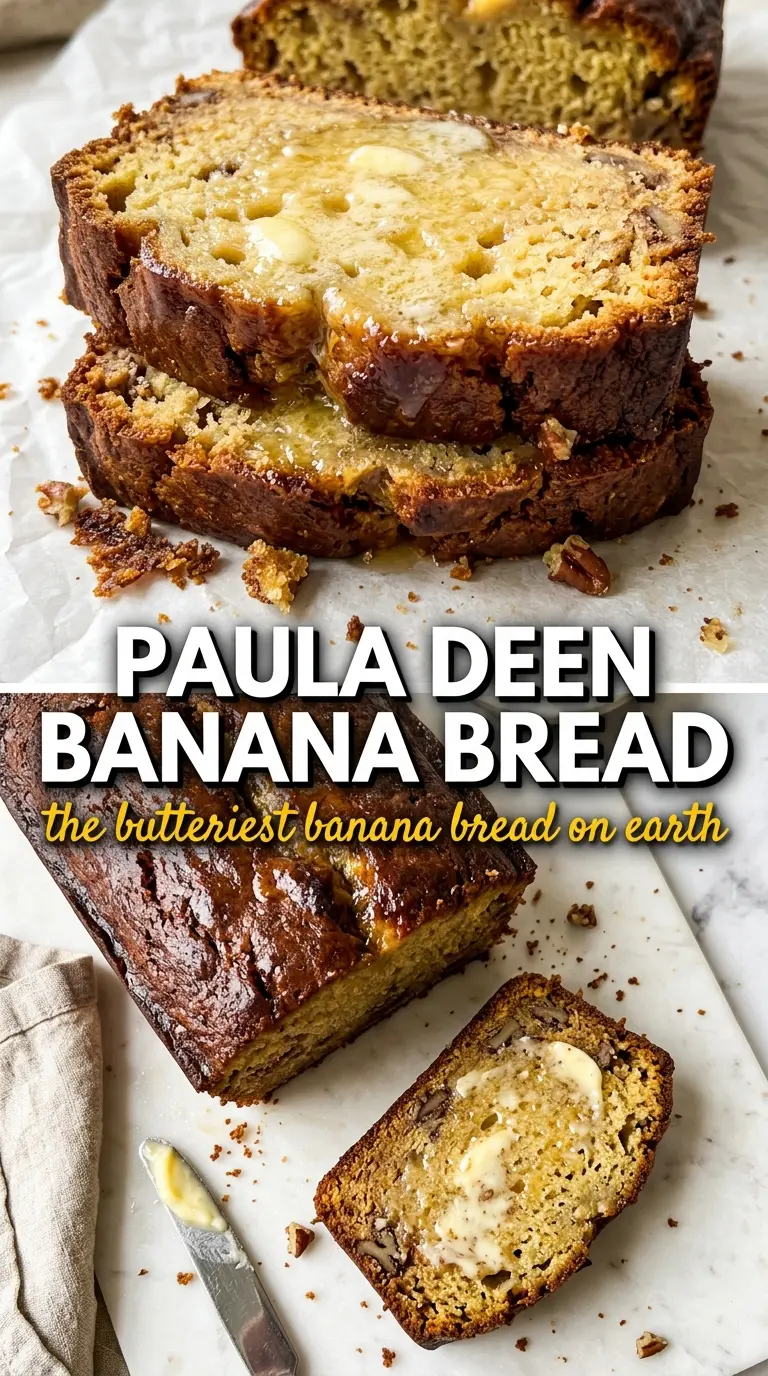
- Butter — This is the backbone of the loaf’s rich, pound-cake-like texture. Softened butter creams with the sugar and gives the bread its signature flavor, so don’t swap in oil unless you’re okay losing that Southern-style richness.
- Bananas — Use very ripe bananas for the best flavor and moisture. They should mash easily and smell sweet; if they’re still firm and yellow, the bread will taste flatter and need more help from the other ingredients.
- Sugar — The sugar does more than sweeten. Beating it with the butter creates the tiny air pockets that help the loaf rise, so don’t cut that step short.
- Flour — All-purpose flour gives the loaf its structure without making it tough. Measure it lightly and stop mixing as soon as the batter comes together, or the crumb turns dense in the wrong way.
- Pecans — These are optional, but they add a toasted crunch that plays nicely against the soft crumb. If you use them, chop them small so they distribute evenly and don’t sink.
Getting the loaf into the oven at the right texture
Creaming the butter and sugar until it turns pale
Start with softened butter, not melted butter. Beat it with the sugar for a full 3 to 4 minutes until the mixture looks lighter in color and fluffy around the edges of the bowl. If you stop too soon, the loaf will bake up denser and flatter because you missed the air that gives it lift. Scrape the bowl halfway through so the butter at the bottom gets worked in evenly.
Bringing in the eggs and bananas without breaking the batter
Add the eggs one at a time and beat just until each one disappears. Then stir in the mashed bananas and vanilla. The batter may look a little loose or slightly curdled at this point, and that’s normal. What you don’t want is a cold banana mixture dumped straight into hard butter, because that can leave little pockets of fat that bake unevenly.
Folding in the dry ingredients just until the flour vanishes
Add the flour, baking soda, and salt, then fold gently with a spatula. Stop as soon as you no longer see dry flour. If you keep stirring for another minute, the loaf gets chewy and can develop tunnels through the crumb. Fold in the pecans at the very end if you’re using them, then get the batter into the pan right away so the baking soda starts working while the mixture is still fresh.
Baking until the center is set, not dry
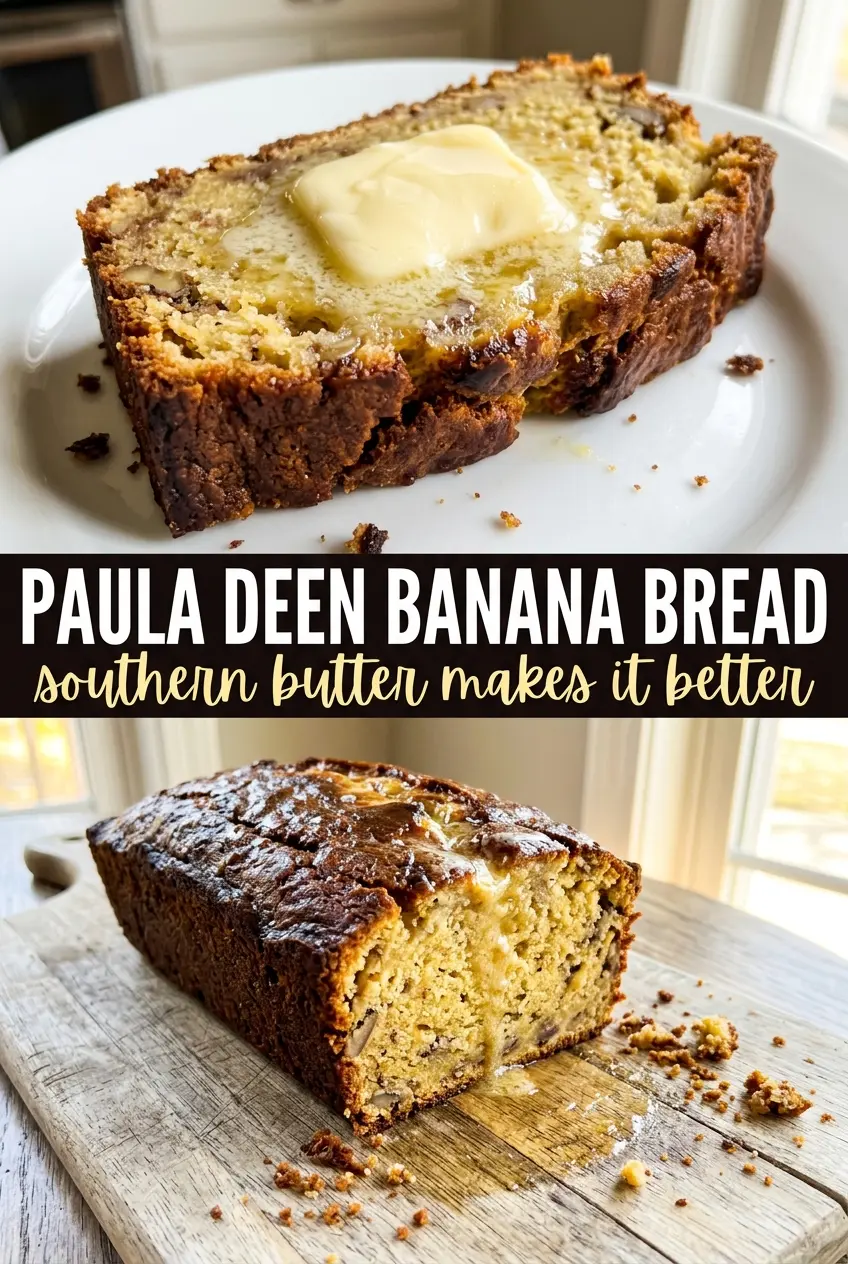
The loaf is done when the top is deeply golden, the edges pull slightly from the pan, and a toothpick in the center comes out clean or with just a few moist crumbs. Ovens vary, so start checking around 60 minutes. If the top is browning fast but the center still feels soft, lay a loose piece of foil over the pan for the last stretch. Let it rest in the pan for 15 minutes before unmolding so the structure can set without collapsing.
Three ways to change this loaf without losing the Southern feel
Add chopped pecans for more texture
The pecans bring a toasted, buttery crunch that keeps the loaf from feeling one-note. Fold them in at the very end so they stay evenly distributed and don’t get crushed into the batter. If you toast them first, the flavor gets deeper and more nutty.
Make it dairy-free with a fat swap
Use a good plant-based butter that comes in sticks, not a soft tub spread. The flavor won’t be as rich as real butter, but the texture stays close because the structure comes from the creaming method. Avoid oil here if you want the loaf to keep that pound-cake-style crumb.
Cut the sweetness a little for breakfast slices
You can reduce the sugar slightly if you want a less dessert-like loaf, but don’t drop it too far or you’ll lose some of the soft, tender texture. The sugar helps with browning and moisture, so a big reduction changes more than sweetness alone.
Turn it into muffins for faster baking
Portion the batter into a lined muffin tin and start checking around 18 to 22 minutes. The flavor stays the same, but you lose that thick loaf slice and gain crisp edges and easier serving. Muffins are the better choice if you want grab-and-go portions.
Storage and Reheating
- Refrigerator: Store covered for up to 5 days. The crumb firms up a little in the fridge, but the flavor stays rich.
- Freezer: Freezes well for up to 3 months. Wrap slices tightly, then place them in a freezer bag so they don’t pick up freezer smell.
- Reheating: Warm slices in a toaster oven or microwave just until the butter softens and the crumb feels plush again. Don’t overheat it or the loaf dries out at the edges.
Questions I Get Asked About This Recipe
Paula Deen Banana Bread
Ingredients
Equipment
Method
- Preheat the oven to 350°F and generously grease a 9x5 loaf pan.
- Beat the softened butter and sugar together until very light and fluffy, about 4 minutes.
- Beat in the eggs one at a time, then stir in the mashed bananas and vanilla extract.
- Fold in the all-purpose flour, baking soda, and salt until just combined, then fold in the pecans if using.
- Pour the batter into the pan and bake at 350°F for 60–70 minutes, until deeply golden and a toothpick inserted in the center comes out clean.
- Cool in the pan for 15 minutes before unmolding, then serve warm with extra butter.