Pumpkin and black bean soup lands in that sweet spot between hearty and fresh. It’s thick and spoonable, with a gentle sweetness from the pumpkin, enough smoke and spice to keep it interesting, and black beans that turn every bowl into a full meal instead of a starter. The lime at the end wakes everything up, and the sour cream on top softens the heat in the best way.
What makes this version work is the balance. Pumpkin puree gives the soup body fast, but it needs broth and acid to keep it from eating like canned squash paste. A short bloom of cumin, chili powder, smoked paprika, and cinnamon in olive oil builds depth before the liquids go in, and that step matters more than most people think. If the spices go in late, the soup tastes flat.
Below, I’ve included the one blending trick that gives you a creamy texture without making the whole pot smooth, plus a few smart swaps for making it dairy-free or turning it into a thicker, almost chili-like bowl.
The texture was spot on — creamy but still chunky enough to feel hearty. I loved that the lime at the end kept the pumpkin from tasting too sweet.
Save this pumpkin and black bean soup for the nights when you want a thick, smoky bowl with almost no effort.
The Part That Keeps Pumpkin Soup From Tasting Flat
Pumpkin puree needs help. On its own, it can lean dull and a little sweet, which is why so many pumpkin soups end up tasting one-note. The fix is layering: first the onions for sweetness, then the garlic and spices for depth, then the Rotel and lime for brightness and a little heat. That combination gives the soup a savory backbone instead of letting the pumpkin carry everything by itself.
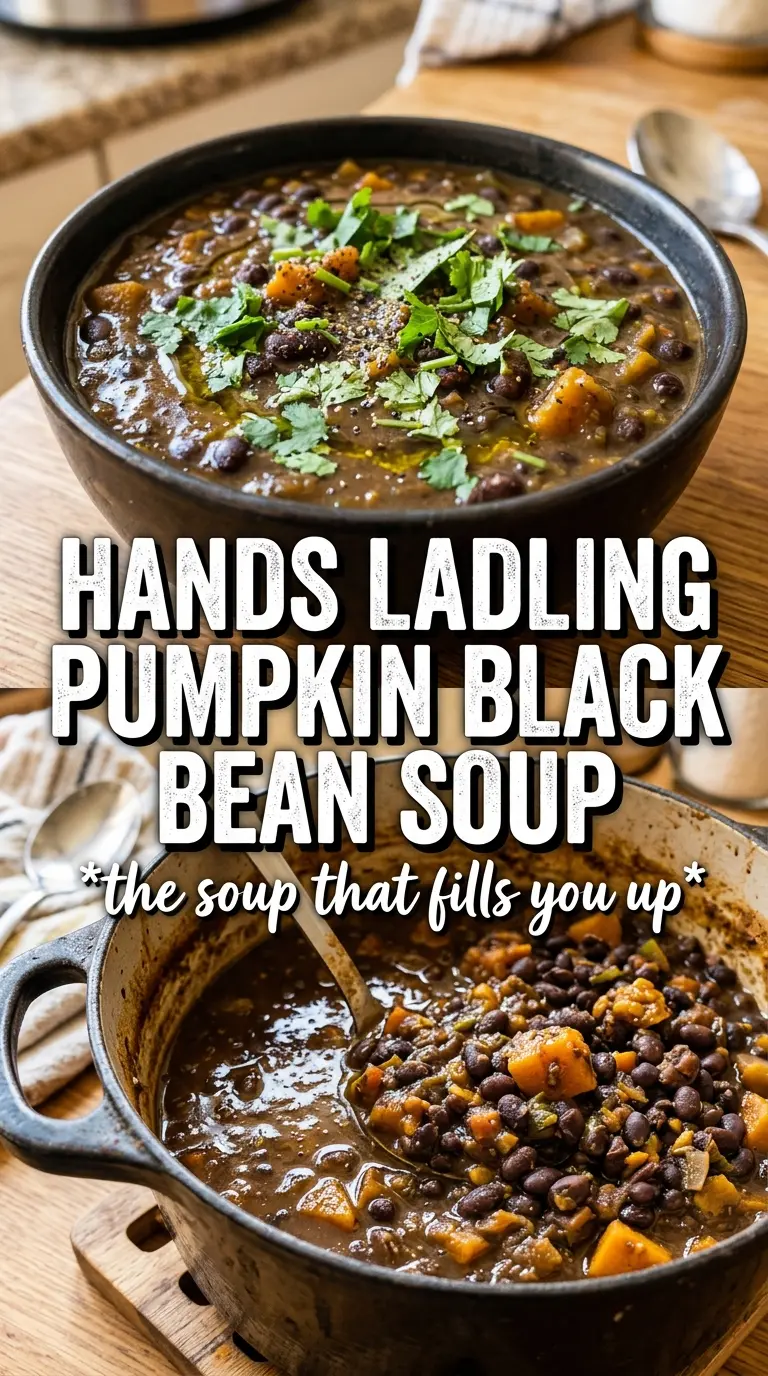
The other piece that matters is how long you simmer it. Twenty minutes gives the flavors time to settle in and lets the beans soften into the broth without falling apart completely. If the soup tastes thin, it usually means it needed a few more minutes on the stove, not more salt. The texture should feel thick enough to coat a spoon, with some beans still visible after you partially blend it.
What Each Ingredient Is Actually Doing In This Soup
- Pumpkin puree — This is the body of the soup. Use plain pumpkin puree, not pumpkin pie filling, which would throw off the seasoning and sweetness. Canned pumpkin is perfect here; fresh roasted pumpkin works too, but you’ll need to puree it until completely smooth.
- Black beans — These make the soup hearty and give it a little bite. Rinse and drain them well so the broth stays clean and doesn’t turn muddy. If you want a creamier pot, mash a small scoop of beans before they go in.
- Rotel tomatoes — This adds acidity, heat, and a little texture all at once. If you only have plain diced tomatoes, add a pinch more chili powder and a small splash of lime to make up for the missing zip.
- Broth — Chicken broth gives the soup a rounder, richer finish, but vegetable broth keeps it fully vegetarian. Use low-sodium broth if you can, because the beans and tomatoes already bring salt to the pot.
- Cumin, chili powder, smoked paprika, and cinnamon — This is the spice base that makes the soup taste layered instead of canned. The cinnamon won’t make it taste like dessert; it just nudges the pumpkin into something warmer and more savory.
- Lime juice — Add it at the end. Heat mutes acid, so if you stir it in too early, the soup loses that bright finish that keeps it from feeling heavy.
How to Build the Soup So the Texture Stays Thick
Softening the Onion and Blooming the Spices
Cook the onion in olive oil until it looks translucent and starts to turn gold at the edges. That’s the point where the sharp raw bite is gone and the sweetness has started to build. Add the garlic and spices next, and let them cook just long enough to smell fragrant, about 1 to 2 minutes. If the garlic browns, it’ll turn bitter, so keep the heat moderate and stir constantly once the spices go in.
Letting the Pumpkin and Beans Simmer Together
Once the pumpkin, beans, Rotel, and broth are in the pot, bring everything up to a boil, then drop it to a steady simmer. You’re looking for lazy bubbles, not a hard boil that splashes soup up the sides of the pot. After about 20 minutes, the broth should taste fuller and the pumpkin should no longer taste raw or tinny. If it still seems loose, simmer uncovered for a few extra minutes so some liquid cooks off.
Partially Blending for a Creamy-but-Hearty Bowl
This is the step that gives the soup its best texture. Use an immersion blender for just a few pulses, or transfer only a cup or two to a blender and return it to the pot. Leave plenty of beans whole so the soup still eats like soup and not puree. If you blend everything smooth, it turns thick but loses the contrast that makes each spoonful interesting.
Finishing With Lime and Toppings
Stir in the lime juice after the pot comes off the heat, then taste and adjust salt and pepper. Acid brightens pumpkin in a way salt alone can’t, and it makes the spices pop. Serve it right away with a spoonful of sour cream, avocado, and cilantro. The toppings are not just decoration; they cool the heat, add creaminess, and give the bowl a fresh finish.
How to Adapt This for a Thicker, Lighter, or Dairy-Free Bowl
Make it dairy-free without losing the creamy finish
Skip the sour cream and finish each bowl with avocado, cilantro, and an extra squeeze of lime. If you want a little creaminess on top, use plain dairy-free yogurt with no added sugar. The soup itself is already dairy-free as written if you use vegetable broth.
Turn it into a thicker, chili-style dinner
Simmer it uncovered for the last 5 to 10 minutes and partially blend a little more of the beans. That concentrates the broth and gives you a denser, almost stew-like texture. It’s a good move if you want to ladle it over rice or serve it with cornbread.
Use vegetable broth for a vegetarian version
The soup turns vegetarian the moment you swap in vegetable broth. Choose one with good flavor, because weak broth leaves the pumpkin carrying too much of the load. A darker, roasted vegetable broth works especially well here.
Change the heat level without changing the whole recipe
Rotel brings a mild kick, but you can add more chili powder or a pinch of cayenne if you want the soup hotter. For a gentler bowl, use mild Rotel and cut the chili powder back slightly. Keep the cumin and smoked paprika in place, since those are doing more flavor work than heat work.
Storage and Reheating
- Refrigerator: Store in an airtight container for up to 4 days. It thickens a little as it sits, which is a good thing here.
- Freezer: This freezes well for up to 3 months. Leave a little space at the top of the container because the soup expands as it freezes.
- Reheating: Reheat gently on the stovetop over medium-low heat, stirring often. If it seems too thick, add a splash of broth or water. Don’t boil it hard or the texture can go from silky to grainy.
Answers to the Questions Worth Asking

Pumpkin And Black Bean Soup
Ingredients
Equipment
Method
- Heat olive oil in a Dutch oven over medium-high heat, then sauté the onion for about 4 minutes until softened (visual cue: translucent edges).
- Add the garlic, cumin, chili powder, smoked paprika, and cinnamon and cook for 2 minutes, stirring, until fragrant (visual cue: spices look slightly toasted).
- Add the pumpkin puree, black beans, Rotel tomatoes, and broth, then bring the soup to a boil (visual cue: rolling bubbles across the surface).
- Simmer for 20 minutes, then partially blend for a thicker texture (visual cue: mixture turns slightly chunky and creamy).
- Stir in the lime juice, then season with salt and pepper to taste (visual cue: flavor is balanced and not flat).
- Serve hot, topped with sour cream, avocado, cilantro, and lime (visual cue: bright green and creamy swirls on top).