Pumpkin cinnamon rolls come out plush, tender, and deeply scented with cinnamon and pumpkin pie spice, with a soft orange crumb that pulls apart in warm, sticky layers. The coffee maple frosting melts into every swirl and settles in the little ridges on top, so each bite tastes like a bakery roll with an extra hit of grown-up depth.
What makes this version work is the pumpkin in the dough, not just the filling. Pumpkin adds moisture and a subtle earthy sweetness, but it also means the dough needs a full knead and a proper rise to stay light instead of heavy. The frosting gets its balance from cream cheese, maple syrup, and just enough strong coffee to keep the sweetness from flattening out.
Below, I’ll walk through the part that matters most: how to keep the dough soft, how to roll the spiral tightly, and why the frosting should go on while the rolls are still warm, not piping hot.
The rolls baked up fluffy and the coffee maple frosting soaked right into the swirls without making them soggy. I was worried the pumpkin would make them dense, but the dough rose beautifully and the filling stayed put when I sliced them.
These pumpkin cinnamon rolls with coffee maple frosting are the kind that stay soft in the middle and glossy on top, even after the frosting sinks into the spirals.
The Trick to Keeping Pumpkin Dough Soft Instead of Heavy
Pumpkin dough can turn dense fast if it gets too much flour too early. The puree brings moisture, but it also adds weight, so the dough needs time to absorb the flour gradually while you knead. If the dough still feels slightly tacky after a few minutes, that’s normal; a dry dough bakes up tighter and less pillowy.
The other place people go wrong is the first rise. Pumpkin dough usually takes a little longer than plain cinnamon roll dough because the extra moisture slows things down. Let it rise until it has doubled and looks puffy across the top, not just until the clock says an hour has passed.
- Warm milk — This should feel like bath water, not hot. Too much heat kills the yeast before the dough even starts.
- Pumpkin puree — Use plain puree, not pumpkin pie filling. The pie filling has sugar and spice already added, which throws off both the dough and the filling balance.
- Butter in the dough — Melted butter keeps the crumb tender. If it’s hot enough to scramble the egg, it’s too hot for the yeast, so let it cool for a minute first.
- Pumpkin pie spice — It gives the dough a gentle background note. The filling carries the stronger cinnamon flavor, so don’t overdo the spice in the dough.
What Each Ingredient Is Actually Doing in the Spiral and Frosting
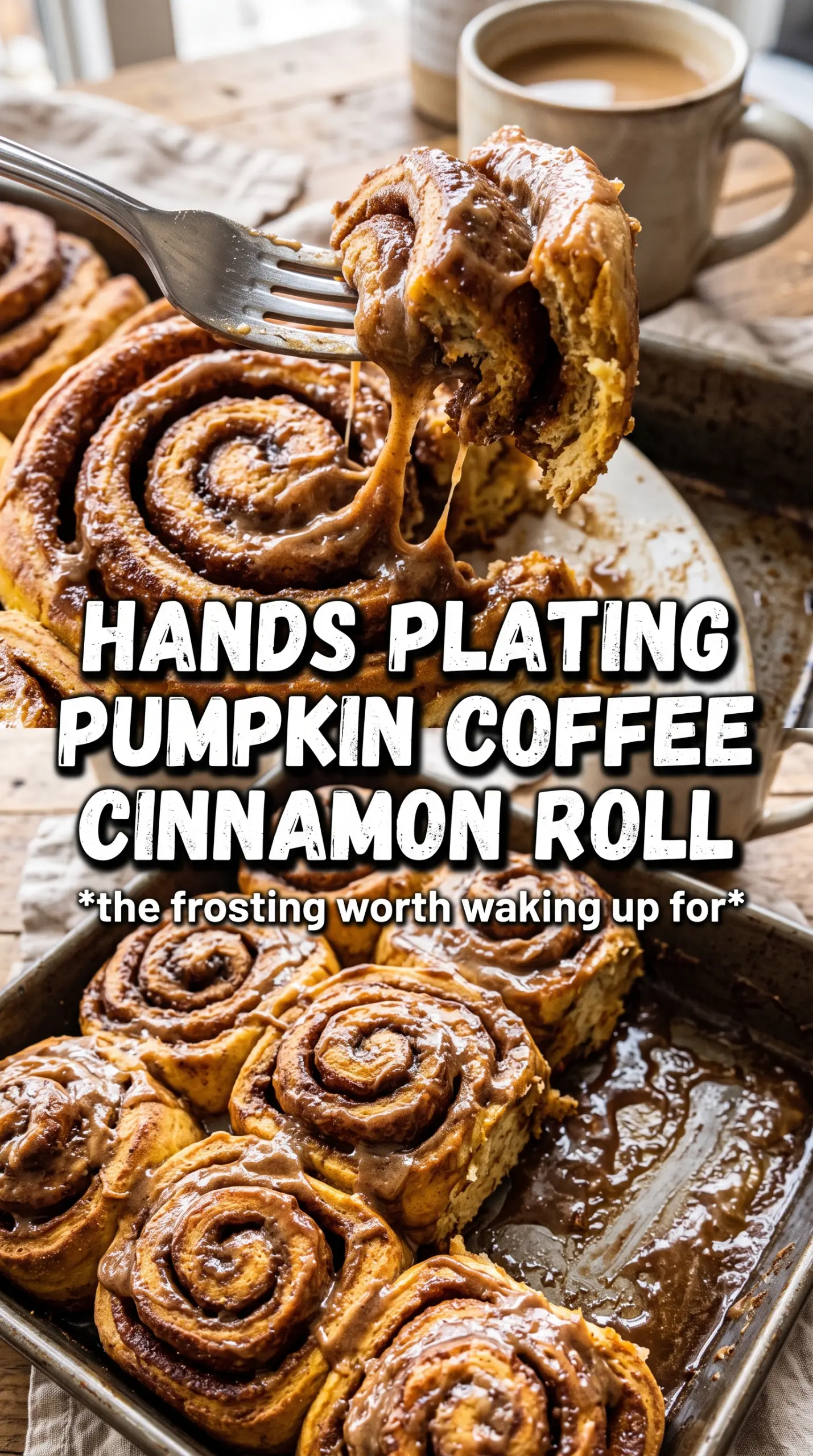
- Brown sugar — This melts into the butter as the rolls bake, which gives you that sticky, caramel-like swirl. White sugar won’t give the same depth or the same soft, gooey center.
- Softened butter for the filling — It needs to spread like paste so the cinnamon sugar sticks evenly. If it’s melted, it leaks out of the dough while rolling and you lose the swirl.
- Cream cheese — It gives the frosting enough body to sit on top of the rolls instead of sliding off. Use full-fat cream cheese here; the lower-fat kind can turn loose and watery.
- Pure maple syrup and strong coffee — Maple adds warmth, while coffee cuts the sweetness and makes the frosting taste fuller. Brew the coffee strong enough that you can smell it in the bowl, or it disappears behind the sugar.
Rolling, Cutting, and Baking the Swirls So They Rise Up Cleanly
Building the Dough
Once the yeast has foamed in the warm milk, add the sugar, butter, pumpkin, egg, and yolk before the flour goes in. That order helps the wet ingredients distribute evenly, which makes the dough smoother and easier to knead. When the flour starts coming together, keep going for the full kneading time so the dough develops enough structure to hold the filling. If it tears when you try to stretch it, it needs more kneading, not more flour dumped on top.
Rolling the Rectangle
Roll the dough into a 12×18-inch rectangle with an even thickness from edge to edge. Uneven thickness is what gives you skinny ends and oversized centers. Spread the softened filling all the way to the corners, then roll from the long side with steady pressure so the spiral stays tight. If the roll feels loose, the slices will unravel in the pan and the centers will pop up unevenly.
Letting the Second Rise Finish the Job
After slicing, give the rolls the full 45-minute rise so they become puffy and touch each other lightly in the pan. This is what gives you soft sides instead of dry, separated edges. Bake until the tops are golden and the centers are set; if the middle still looks wet, give them a few more minutes rather than pulling them early. Underbaked cinnamon rolls sink in the center once they cool.
Finishing With Warm Frosting
Beat the frosting until smooth, then drizzle it over the rolls while they’re still warm enough to melt it slightly. Hot rolls make the frosting disappear completely, while cool rolls keep it sitting too thick on top. Warm is the sweet spot. The frosting should slip into the swirls and leave a shiny, soft finish.
How to Adjust These Pumpkin Cinnamon Rolls for Different Kitchens and Crowds
Dairy-Free Version
Swap the milk for an unsweetened non-dairy milk and use plant-based butter in both the dough and filling. The rolls will still rise well, but the frosting is the part that changes most, so use a dairy-free cream cheese that you already trust for baking. Some brands are looser than others, and a loose frosting won’t hold its shape on the warm rolls.
Make-Ahead Overnight Rolls
Shape the rolls, place them in the pan, cover tightly, and refrigerate overnight after the first rise and cutting. The next morning, let them sit at room temperature until visibly puffy before baking. Cold dough straight from the fridge takes longer in the oven and can bake unevenly in the center.
Less Sweet Frosting
Cut the powdered sugar back a little and add the coffee a teaspoon at a time until it stays spreadable. You’ll end up with a tangier, more restrained topping that lets the pumpkin and cinnamon stand out more. The frosting won’t drizzle as thickly, but it tastes cleaner and less sugary.
Freezer-Friendly Batches
Bake the rolls, cool them completely, and freeze them unfrosted in a tightly wrapped pan or airtight container. Thaw overnight in the fridge and warm before frosting. Frosting after thawing keeps the texture better, because cream cheese frosting can separate if it’s frozen and reheated together with the rolls.
Storage and Reheating
- Refrigerator: Store covered for up to 4 days. The rolls stay soft, but the frosting firms up and the spirals lose a little of that fresh-baked gloss.
- Freezer: Freeze unfrosted rolls for up to 2 months. Wrap them well so they don’t pick up freezer smell, then frost after reheating.
- Reheating: Warm individual rolls in the microwave for 20 to 30 seconds or cover a pan of rolls in a low oven until heated through. Don’t blast them too long or the dough turns rubbery and the frosting splits.
Answers to the Questions Worth Asking
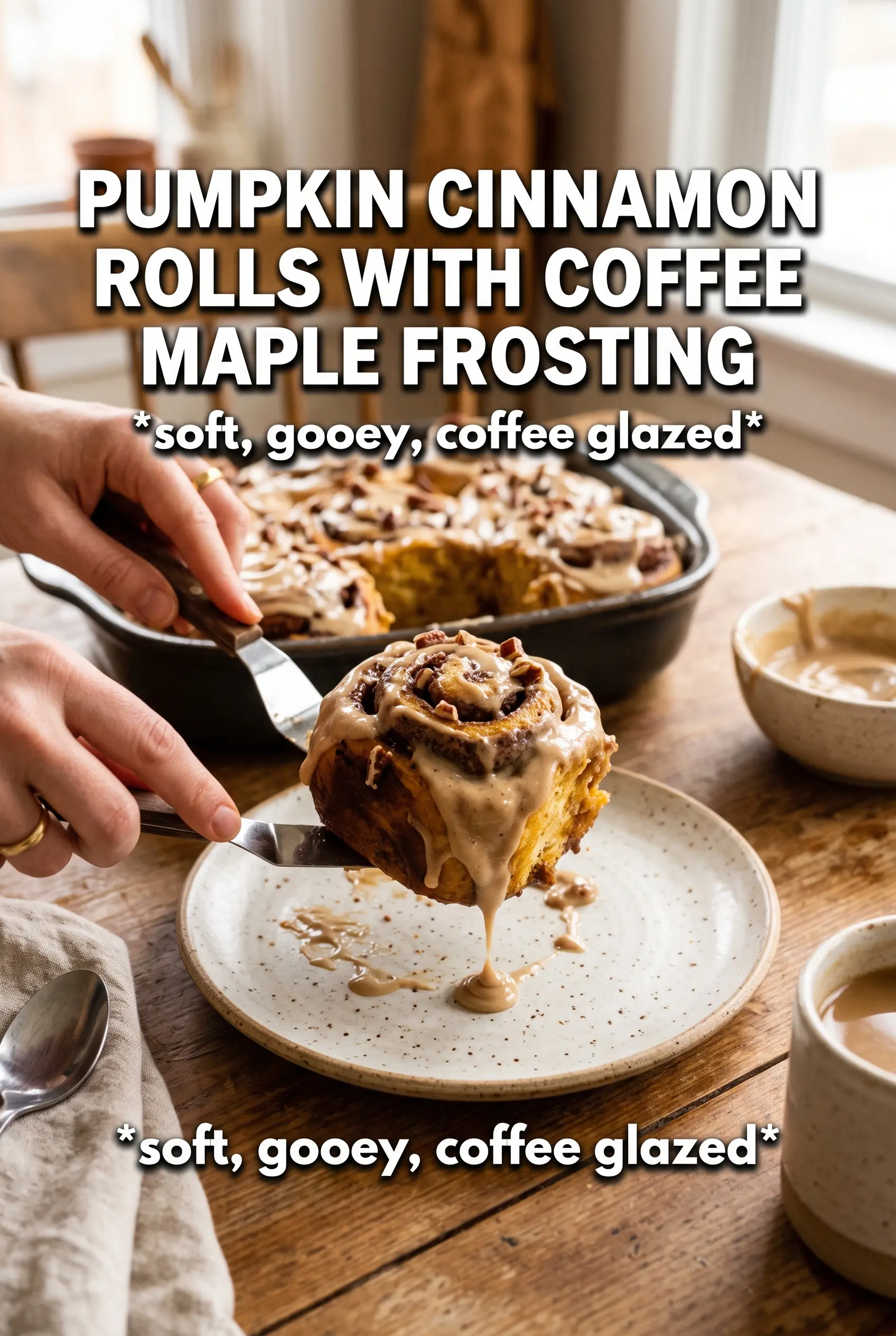
Pumpkin Cinnamon Rolls With Coffee Maple Frosting
Ingredients
Equipment
Method
- Mix warm milk with active dry yeast and sugar, then stir in melted butter, pumpkin puree, and the egg and egg yolk until smooth.
- Add flour, pumpkin pie spice, and salt, then knead until the dough is smooth and elastic, about 8 minutes, pulling the dough together into a cohesive ball.
- Place dough in a lightly greased bowl, cover, and let rise until doubled in size, about 1 hour.
- Roll the dough into a 12x18 inch rectangle, keeping an even thickness for a consistent swirl.
- Spread softened butter over the dough, then sprinkle brown sugar, cinnamon, and pumpkin pie spice over the butter in an even layer.
- Roll the dough tightly into a log, keeping the seam side down so the rolls hold their shape.
- Cut 12 rolls from the log and arrange them in rows in the baking pan with space between.
- Cover and let the rolls rise until puffy, about 45 minutes.
- Bake at 375°F for 22–25 minutes, until the rolls are golden and the centers spring back lightly when touched.
- While the rolls are warm, beat the cream cheese, butter, maple syrup, and strong coffee until smooth, then mix in powdered sugar until drizzle-ready.
- Drizzle the coffee maple frosting generously over the warm rolls so it melts slightly and settles into the crevices.