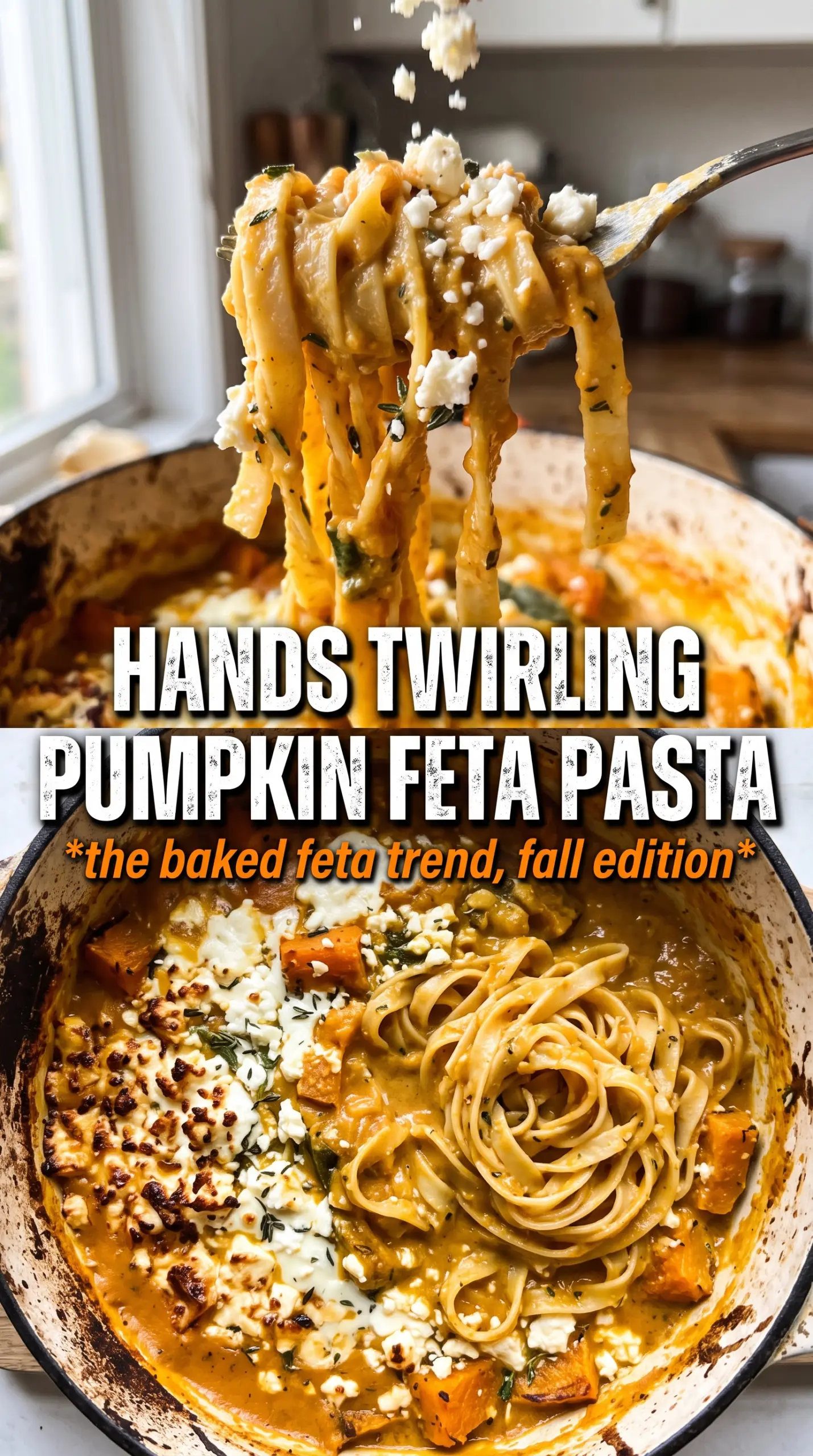
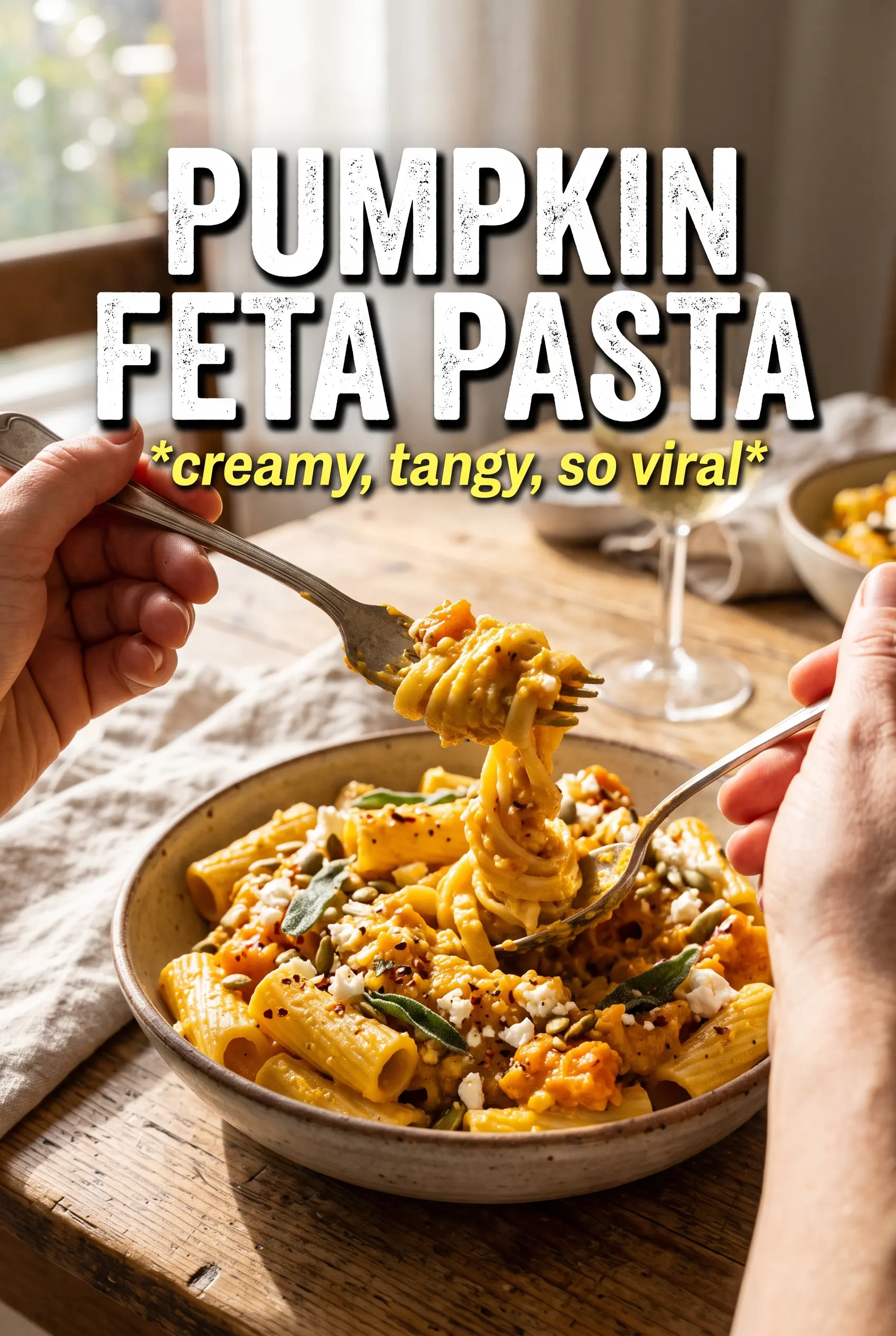
Pumpkin feta pasta lands on the table with a creamy, salty sauce that clings to every ridge of rigatoni and penne. The pumpkin softens into something silky and sweet, while the feta melts just enough to turn everything tangy and rich without needing cream. It eats like a baked pasta dish and a saucy skillet dinner at the same time, which is exactly why it earns a repeat spot.
The trick is roasting the pumpkin and feta together until the cheese gets browned at the edges and the pumpkin collapses easily under a spoon. That heat does the work of building the sauce, and the garlic turns mellow instead of sharp. Pasta water matters here too, because it loosens the roasted mixture into a glossy sauce that actually coats the noodles instead of sitting in clumps at the bottom of the dish.
Below, I’ll walk through the small details that keep the sauce creamy, the best swaps if you only have canned pumpkin, and what to do if you want a little more heat or a dairy-free version.
I roasted the pumpkin and feta in one dish exactly as written, and the sauce came together so smoothly. The pasta water made it turn glossy instead of thick and pasty, and the basil at the end kept it from tasting heavy.
Save this pumpkin feta pasta for a creamy baked dinner with roasted garlic, tangy feta, and basil on top.
The Roast That Turns Pumpkin and Feta Into Sauce
The biggest mistake with a baked pasta like this is treating the pumpkin and feta like separate ingredients that just happen to share a pan. They need the same roasting time so the feta softens at the edges while the pumpkin dries out a little and concentrates instead of turning watery. That’s what gives you a sauce with body.
If you pull it too early, the feta stays crumbly and the pumpkin tastes flat. If you roast it until the feta has a little color and the pumpkin gives up easily, the two mash together into something creamy and balanced. The garlic also matters here: smashed cloves mellow in the oven and disappear into the sauce instead of popping up as sharp chunks.
What Each Ingredient Is Actually Doing in This Dish
- Pumpkin puree or cubed pumpkin — Purée gives you the smoothest sauce fastest, while fresh pumpkin brings a slightly sweeter, more roasted flavor. If you use cubed pumpkin, cut it small so it softens in the same window as the feta.
- Block feta — Block feta melts into the sauce more evenly than crumbled feta, which tends to dry out and stay grainy. A full-fat block gives the best texture here.
- Olive oil — This keeps the pumpkin from drying out in the oven and helps the feta brown at the edges. Use a decent olive oil, since it becomes part of the sauce.
- Pasta water — This is what turns the roasted mixture into a clingy sauce. The starch helps it emulsify, so don’t skip reserving it before draining the pasta.
- Fresh basil and red pepper flakes — Basil cuts through the salt and richness at the end, and the extra pepper flakes wake up the whole dish. Add them after plating so the herbs stay bright.
Building the Sauce So It Stays Creamy, Not Thick and Pasty
Roast Until the Edges Start to Color
Set the pumpkin and feta in the same baking dish, then drizzle everything with olive oil so the top doesn’t dry out before the center softens. The feta should look a little golden around the edges and the pumpkin should be soft enough to mash without resistance. If the pan looks dry halfway through, the oven is running hot and a light drizzle of oil helps.
Mash Before You Add the Pasta
Use a spoon or spatula to smash the pumpkin and feta together while they’re still hot. That heat matters because it helps the feta melt into the pumpkin instead of staying in separate salty chunks. Add a splash of pasta water at a time and stop as soon as the sauce looks glossy and loose enough to coat the pasta.
Toss the Pasta While the Sauce Is Still Hot
Drain the pasta and move quickly. The sauce thickens as it cools, so tossing it right away helps every piece get coated before it tightens up. If it starts to feel heavy, another spoonful of pasta water brings it back without watering down the flavor.
Use canned pumpkin for the fastest version
Canned pumpkin makes this much quicker and gives you a smoother sauce with less hands-on effort. It won’t have the roasted sweetness of fresh pumpkin, but the feta, garlic, and thyme still carry the dish. If you go this route, roast the feta and garlic just long enough to color, then stir the pumpkin puree in after roasting to warm it through.
Make it dairy-free with a different finish
This version depends on feta for salt and creaminess, so a dairy-free swap changes the dish more than people expect. Use a firm plant-based feta-style block if you can find one, then add an extra pinch of salt and a squeeze of lemon at the end to replace the tang. The sauce will be a little less rich, but it still works.
Turn up the heat without overpowering the pumpkin
Extra red pepper flakes give this dish a sharper finish and keep the sweetness in check. Add more at the roasting stage if you want the heat built into the sauce, or save it for the top if you only want a little burn on each bite. Too much heat will cover the feta’s tang, so add in small increments.
Storage and Reheating
- Refrigerator: Keeps for 3 to 4 days. The sauce thickens as it sits, so the pasta will look a little tighter after chilling.
- Freezer: It freezes, but the texture gets less creamy after thawing. Freeze in portions for up to 2 months if you need to, then thaw overnight in the fridge.
- Reheating: Warm gently on the stovetop or in the microwave with a splash of water to loosen the sauce. High heat dries out the pasta and makes the feta taste salty instead of balanced.
Answers to the Questions Worth Asking
Pumpkin Feta Pasta
Ingredients
Equipment
Method
- Preheat oven to 400°F. Place pumpkin puree or cubed pumpkin in a baking dish, with the feta block in the center.
- Scatter the smashed garlic around the pumpkin and feta. Drizzle everything with the olive oil so the garlic and pumpkin are coated.
- Sprinkle red pepper flakes, dried thyme, and black pepper over the pumpkin and feta. Roast for 35-40 minutes, until the feta is golden and the pumpkin is soft.
- Meanwhile, cook the pasta according to package directions and reserve 1/2 cup pasta cooking water. Keep the pasta warm until ready to toss.
- Smash and stir everything in the baking dish into a creamy sauce. Add reserved pasta cooking water gradually to reach your desired consistency.
- Toss in the cooked pasta until evenly coated. Season with salt to taste.
- Serve immediately with fresh basil and extra red pepper flakes on top. Add more red pepper flakes if you want extra heat.