Golden mozzarella, pillowy gnocchi, and a creamy pumpkin sage sauce turn this bake into the kind of dinner that disappears fast. The gnocchi soften in the oven while the sauce thickens underneath, so every scoop comes out coated instead of watery or heavy. The sausage brings enough savoriness to keep the pumpkin from reading sweet, and the top bakes into that browned, bubbling crust you want from a true casserole-style main dish.
The trick here is building the sauce a little looser than you think you need. Gnocchi drink up liquid as they bake, and pumpkin puree thickens fast once it hits heat. That’s why the broth and cream both matter: the cream gives body, while the broth keeps the sauce from turning dense before the gnocchi are done. Fresh sage and a small hit of nutmeg make the pumpkin taste round and earthy instead of flat.
Below, I’ll show you how to keep the sauce silky, when the gnocchi actually need to go in uncooked, and how to adapt the bake if you want it a little lighter or meat-free.
The sauce stayed creamy all the way through baking, and the gnocchi came out tender instead of gummy. My husband went back for seconds and said the sage with the pumpkin tasted like comfort food done right.
Save this Pumpkin Gnocchi Bake for the nights when you want creamy pumpkin sauce, crispy cheese, and a one-pan dinner that feels special without extra work.
The Gnocchi Need Enough Sauce to Bake Soft, Not Tight
Most gnocchi bakes fail because the sauce gets too thick before the pan even goes into the oven. Pumpkin puree thickens quickly, and once it tightens up, the gnocchi can’t absorb enough moisture to cook through evenly. You want the sauce to look loose and glossy when it goes into the baking dish, with enough liquid clinging to the gnocchi that there’s still a little movement in the pan.
- Uncooked gnocchi — They go straight into the sauce here. That’s what lets them absorb flavor while they bake instead of turning soft and waterlogged from a separate boil.
- Heavy cream and chicken broth — The cream gives richness, but the broth keeps the base from becoming pasty. If you use all cream, the sauce can feel heavy before the gnocchi are done.
- Fresh sage — Dried sage won’t hit the same note. Fresh sage blooms in the butter and turns the whole dish savory and aromatic instead of dusty.
- Parmesan — It seasons the top and helps the crust brown. Pre-grated works in a pinch, but a fresh grate melts cleaner and tastes sharper.
What Each Ingredient Is Actually Doing in This Bake
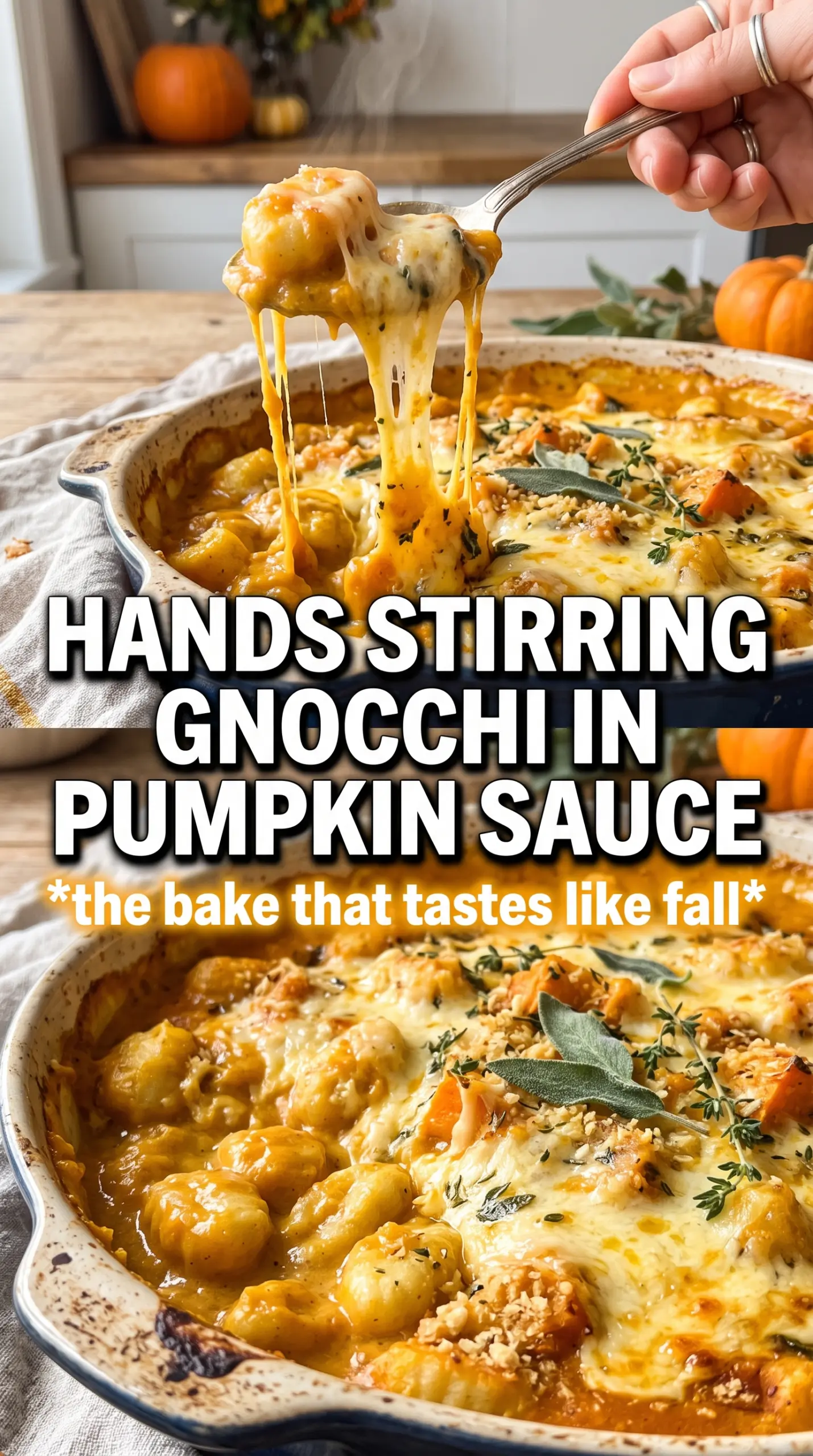
- Italian sausage — This is the backbone of the dish. It gives the pumpkin enough salt and fat to taste like dinner, not side dish. Hot or sweet both work; just know hot sausage will push the finish a little spicier.
- Pumpkin puree — Use plain pumpkin puree, not pumpkin pie filling. The puree brings body and earthiness, and it needs the cream and broth to stay supple in the oven.
- Garlic and sage — They should cook just until fragrant. If the garlic browns, it turns bitter fast, so keep the heat moderate and move quickly once the butter melts.
- Mozzarella — This is for the stretch and the browning. Low-moisture mozzarella melts best here; fresh mozzarella releases too much liquid and can make the top greasy instead of browned.
- Nutmeg and red pepper flakes — Nutmeg rounds out the pumpkin, and the pepper flakes keep the sauce from tasting one-note. The amounts are small, but they matter more than people expect.
Building the Sauce So the Gnocchi Cook Through
Brown the Sausage First
Get real color on the sausage before anything else. You want browned bits in the pan, not just cooked meat, because those bits carry the savory base of the whole dish. Drain the excess fat, but leave enough in the skillet to cook the garlic and sage without sticking. If the sausage is gray and soft, the final bake will taste flatter than it should.
Bloom the Sage in Butter
Once the butter melts, add the garlic and sage and stir for just a minute or two. The kitchen should smell nutty and herbal, not sharp. If the garlic starts taking on color, pull the pan off the heat for a moment. That little pause keeps the sauce from picking up a burnt edge that will come through after baking.
Keep the Pumpkin Sauce Loose
Stir in the pumpkin, cream, broth, nutmeg, and red pepper flakes, then let it simmer briefly until smooth. The sauce should coat a spoon but still slide off easily. If it looks like mashed potatoes, it’s too thick for the oven and the gnocchi will need extra liquid to finish cooking. Season at this stage so the sauce tastes a little stronger than you want in the end.
Bake Until the Center Is Bubbling
Toss the uncooked gnocchi and sausage into the sauce in the baking dish, then cover the top with mozzarella and parmesan. Bake until the edges are bubbling hard and the cheese is deeply golden in spots. The middle should be actively simmering when you pull it out; if it’s only warm, the gnocchi inside the center can stay underdone. Let it sit for a few minutes before serving so the sauce settles and turns creamy instead of runny.
How to Adapt This When You Need a Different Version
Make it dairy-free
Swap the cream for full-fat coconut milk and use a dairy-free mozzarella-style melt. The sauce will taste a little less classic and a touch sweeter, but it still bakes up creamy if you keep the heat gentle and don’t reduce it too far on the stove.
Use a vegetarian filling
Leave out the sausage and add sautéed mushrooms or chopped kale for a more savory, meatless pan. You’ll want to season a little more aggressively with salt and parmesan, because the sausage normally carries a lot of the backbone.
Go gluten-free
Use gluten-free gnocchi and check that your broth and sausage are certified gluten-free. The method stays the same, but gluten-free gnocchi can soften a little faster, so pull the bake as soon as the center is bubbling and the top is browned.
Stretch it for a bigger crowd
Add an extra half pound of gnocchi and another cup of sauce ingredients if you want a fuller pan. Don’t just pile in more pasta without extra liquid, or the center will bake up dry while the edges overcook.
Storage and Reheating
- Refrigerator: Store covered for up to 4 days. The gnocchi will absorb more sauce as it sits, so the texture gets a little thicker by day two.
- Freezer: It freezes well if you cool it completely first and wrap it tightly. Freeze in portions for the best texture, since the sauce can separate a little after thawing.
- Reheating: Warm in a 350F oven, covered at first, with a splash of broth or cream stirred in if it looks dry. Microwave reheating works for a serving or two, but use short bursts so the sauce doesn’t split and the cheese doesn’t turn greasy.
Answers to the Questions Worth Asking
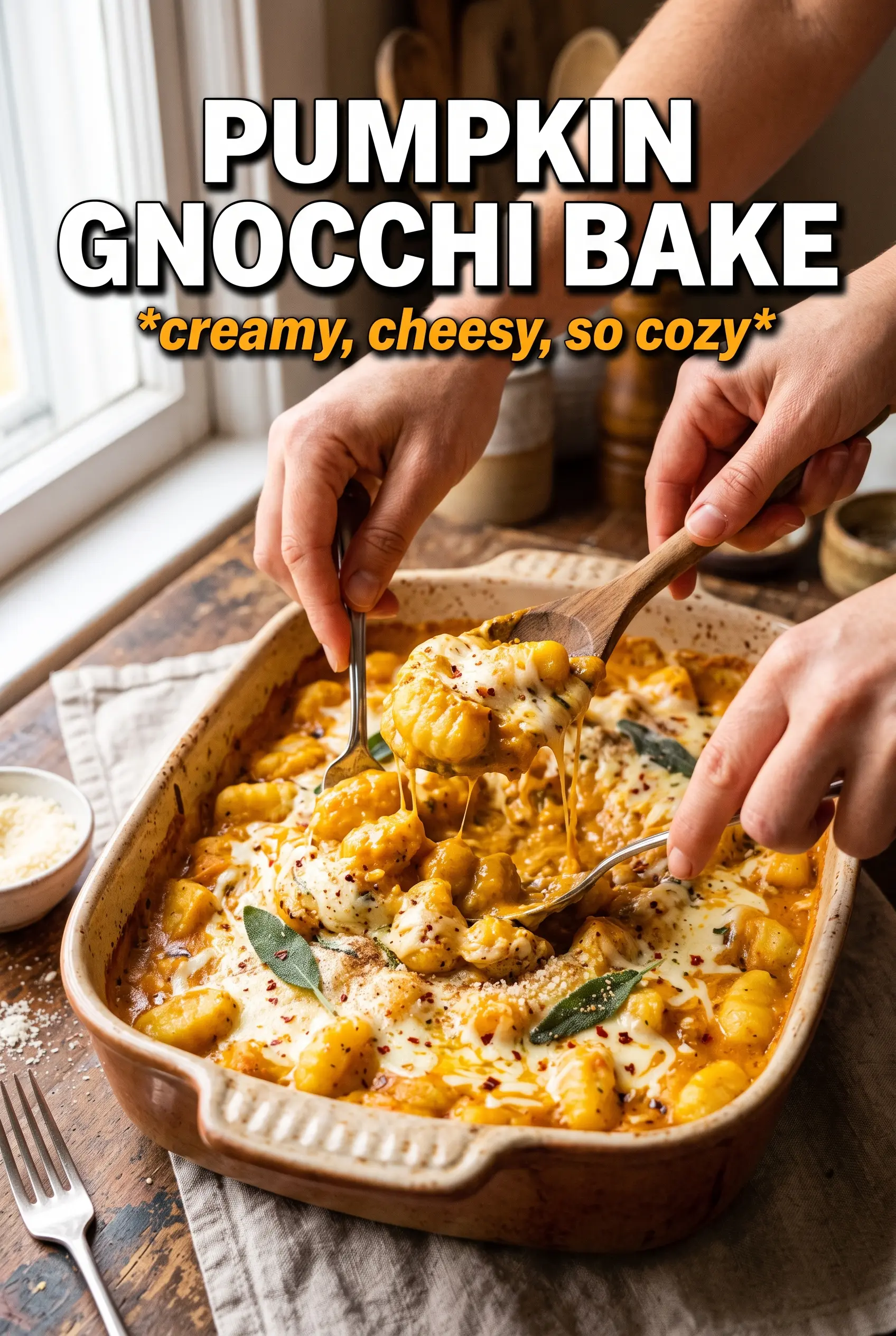
Pumpkin Gnocchi Bake
Ingredients
Equipment
Method
- Preheat the oven to 400°F, then grease a 9x13 baking dish.
- Set out the pumpkin puree, heavy cream, chicken broth, garlic, chopped sage, nutmeg, red pepper flakes, and cheeses so you can assemble quickly.
- Brown the Italian sausage in a large skillet, then drain the fat and set the sausage aside.
- Melt the butter in the skillet and sauté the minced garlic and chopped sage for 1-2 minutes until fragrant.
- Stir in the pumpkin, heavy cream, chicken broth, nutmeg, and red pepper flakes, then bring to a simmer.
- Simmer for 3-4 minutes, then season with salt and pepper.
- Toss the uncooked potato gnocchi in the sauce directly in the greased baking dish, then add the browned sausage and mix until evenly coated.
- Scatter the mozzarella and parmesan over the top in an even layer.
- Bake for 30-35 minutes at 400°F until the gnocchi are cooked through, the sauce is bubbling, and the cheese is golden.