Soft pumpkin gnocchi with a light, tender bite are the kind of pasta night dish that makes the table go quiet for a minute. The little pillows hold their shape just enough to catch brown butter in the ridges, and the sage turns crisp in the pan while the parmesan melts into every corner. It’s rich, but not heavy, and the texture is the part that keeps me making it again.
The trick is dryness. Pumpkin puree and ricotta both carry a lot more moisture than people expect, and if either one goes into the bowl too wet, the dough turns sticky and the gnocchi need too much flour. Too much flour is what makes them dense. Blotting the pumpkin, draining the ricotta, and stopping as soon as the dough comes together keeps the dumplings tender instead of bready.
Below, I’ve added the spots where this recipe usually goes wrong, the ingredient swaps that still work, and the short window of cooking time that matters most. Once you’ve made gnocchi like this once, the process starts to feel a lot less fussy.
The gnocchi held together beautifully and I was shocked that the dough only needed a little flour after blotting the pumpkin. The brown butter and crispy sage took it over the top.
Save this pumpkin gnocchi with brown butter, crispy sage, and walnuts for the night you want a homemade pasta dish that feels special without being complicated.
The Part Most Gnocchi Recipes Get Wrong: Moisture Control
Pumpkin gnocchi fail when the dough gets overloaded with flour. The puree and ricotta look harmless in the bowl, but both can hide enough water to turn the mixture into a sticky mess. Once that happens, the instinct is to keep adding flour until it feels workable, and that’s how you end up with gnocchi that are heavy instead of light.
Blotting the pumpkin and draining the ricotta changes the whole recipe. You’re not trying to dry them out completely; you just want to remove the extra moisture that would force the dough to tighten up. The dough should still feel soft and slightly tacky when you stop mixing, because it firms up a little as it rests and again when it hits the boiling water.
- Pumpkin puree — Use plain puree, not pumpkin pie filling. Blot it on paper towels until the towels stop picking up obvious moisture; that one step keeps the dough from becoming sticky and flour-heavy.
- Ricotta — Drain it in a fine sieve or cheesecloth if it seems loose. Whole-milk ricotta gives the best texture, but even budget ricotta works fine once the excess whey is gone.
- Parmesan — Finely grated parmesan helps bind the dough and seasons it from the inside. The pre-shredded stuff doesn’t melt and distribute as smoothly, so grate your own if you can.
- Flour — Add it gradually and stop at the point where the dough can be rolled. Too much flour makes the gnocchi chewy and dulls the pumpkin flavor.
What Each Ingredient Is Actually Doing in This Recipe
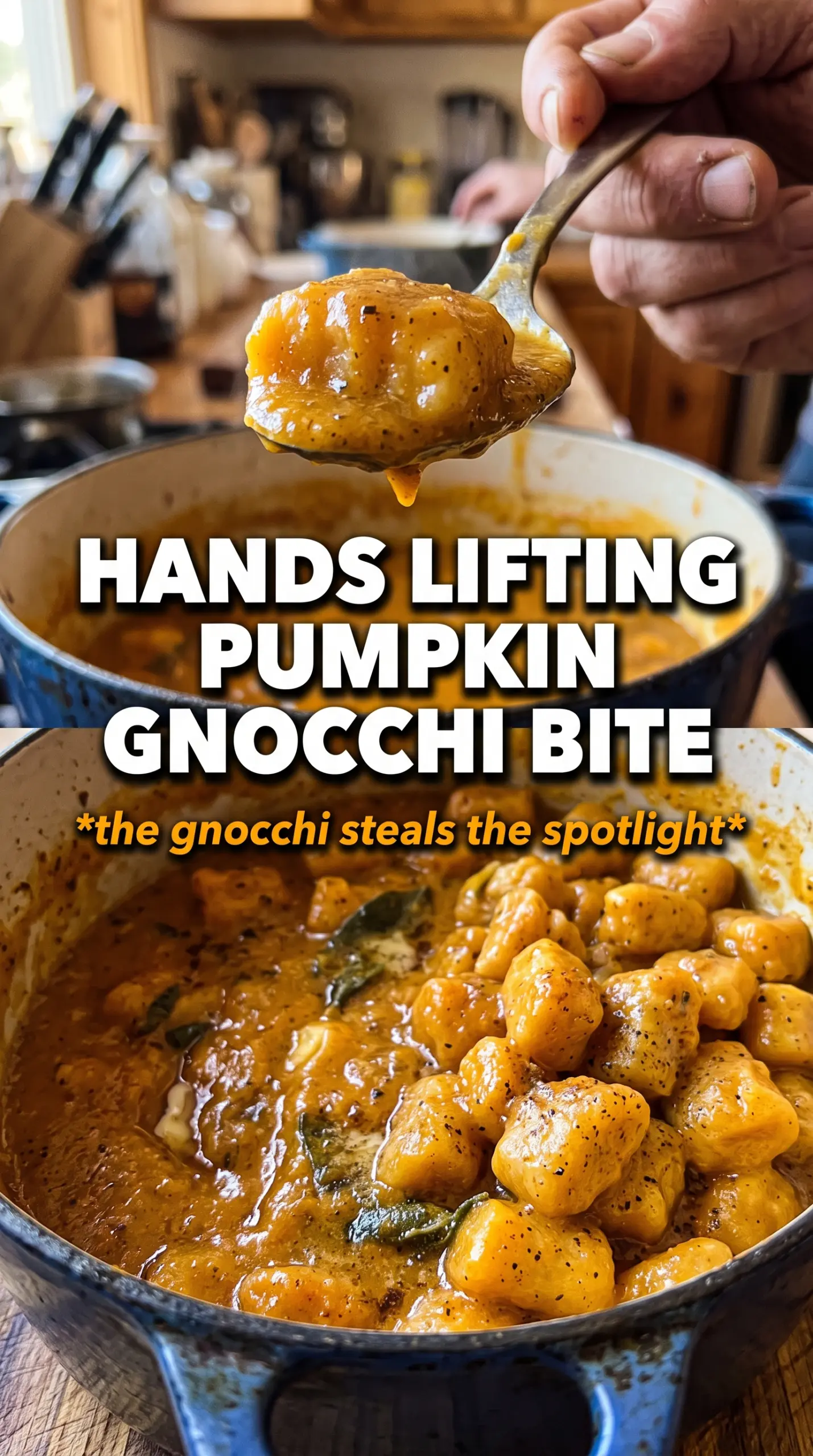
- Primary ingredient (the star) — Quality matters most. Choose the best you can find.
- Cooking medium (oil, butter, or broth) — This carries flavors and prevents dryness.
- Seasonings (salt, pepper, spices, herbs) — Layer flavors so nothing overpowers. Build depth gradually.
- Aromatics (garlic, onion, herbs) — Cook with fat to bloom flavors. Become the foundation.
- Supporting ingredients — Complement the main ingredient without overpowering it.
- Sauce or liquid (if applicable) — Brings flavors together. Balance richness with acid.
- Acid (lemon, vinegar, wine, or other) — Brightens and prevents flat-tasting results.
- Final finish (garnish, glaze, or sauce) — Prevents one-dimensional taste and adds visual appeal.
How to Build Tender Pumpkin Gnocchi From a Soft Dough
Mix Until the Dough Just Holds Together
Start by combining the blotted pumpkin, drained ricotta, egg, parmesan, salt, and nutmeg before you add much flour. The mixture should look shaggy at first, then come together into a soft dough that still clings slightly to your fingers. Add flour in small handfuls so you can stop early if needed; if you dump it all in at once, it’s easy to overshoot and lose the delicate texture. The dough is ready when it can be shaped on a lightly floured surface without sticking into a paste.
Roll, Cut, and Shape Fast
Work in batches and keep the ropes a little thicker than you think you need, then cut them into one-inch pillows. Pressing with a fork is worth the extra minute because it gives the sauce tiny ridges to cling to and helps you see if the dough is holding together cleanly. If the cut edges smear instead of looking neat, the dough needs a touch more flour or a short chill. Don’t keep handling it over and over; warm dough gets softer and sticks faster.
Cook the Gnocchi in Water That’s Already Boiling Hard
Drop the gnocchi into well-salted water that’s at a steady boil, not a lazy simmer. They should float in about 2 to 3 minutes, and once they rise, give them just a little more time so the centers cook through. If the water is underheated, the gnocchi can absorb too much water before they set. Pull them out with a spider or slotted spoon and move them straight to the sauce so they don’t sit around and soften.
Brown the Butter Before the Gnocchi Go Back In
Melt the butter over medium heat and keep it moving until the milk solids turn amber and smell nutty. Add the sage leaves once the butter is foaming and the color has shifted; they crisp quickly, and if you wait too long the butter can tip from brown to burned in a few seconds. Toss the drained gnocchi in the pan just long enough to coat them. You want a light exterior gloss, not a hard sear that turns them tough.
Make It Without Nuts
Skip the toasted walnuts and finish with extra parmesan and a few more sage leaves. You lose the crunchy contrast, but the gnocchi still taste rich and layered because the brown butter carries the whole dish.
Gluten-Free Pumpkin Gnocchi
Use a 1:1 gluten-free flour blend by weight if possible and expect a slightly softer dough. It may need a short chill before shaping, and the finished gnocchi are best handled gently so they don’t break apart in the water.
Extra-Pumpkin, More Savory
If you want a deeper pumpkin note, add another tablespoon or two of puree only after the first batch is mixed and you’ve checked the texture. You’ll need a little more flour, and the dough will be trickier to handle, but the flavor lands a bit more firmly in pumpkin territory.
Storage and Reheating
- Refrigerator: Cooked gnocchi keep for 3 days in an airtight container, though they soften a little as they sit.
- Freezer: Freeze uncooked gnocchi in a single layer on a tray, then bag them once solid. Cook from frozen; don’t thaw first or they’ll turn gummy.
- Reheating: Warm leftovers in a skillet with a little butter over medium-low heat. Microwaving makes them rubbery and can split the sauce, especially if the gnocchi are already coated in brown butter.
Questions I Get Asked About This Recipe
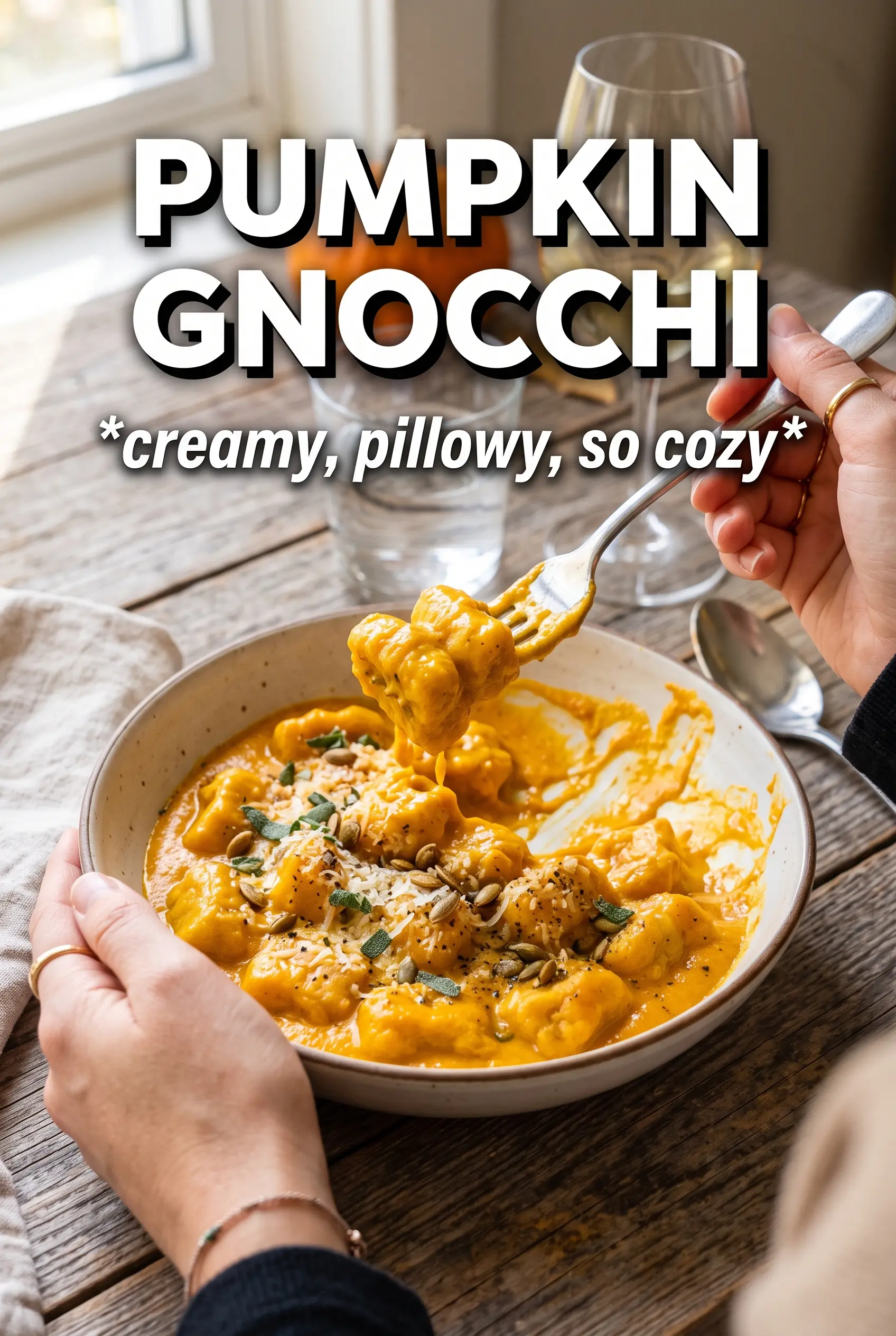
Pumpkin Gnocchi
Ingredients
Equipment
Method
- Blot the pumpkin puree and ricotta extremely dry, then combine them with the egg, parmesan, salt, nutmeg, and enough all-purpose flour to form a soft, slightly sticky dough.
- On a lightly floured surface, roll the dough into ropes and cut into 1-inch pillows.
- Press each pillow lightly with a fork for texture and set them on a sheet pan as you work.
- Bring a large pot of well-salted water to a gentle boil and cook the gnocchi until they float, 2-3 minutes.
- While the gnocchi boil, melt the butter in a cast iron skillet and cook at medium heat until it turns golden brown with nutty aroma.
- Add sage leaves to the brown butter and fry until crispy, then remove or keep them in the butter as desired.
- Toss the drained gnocchi in the brown butter until lightly coated and glossy.
- Serve immediately topped with crispy sage, toasted walnuts, and extra parmesan dusted over the entire surface.