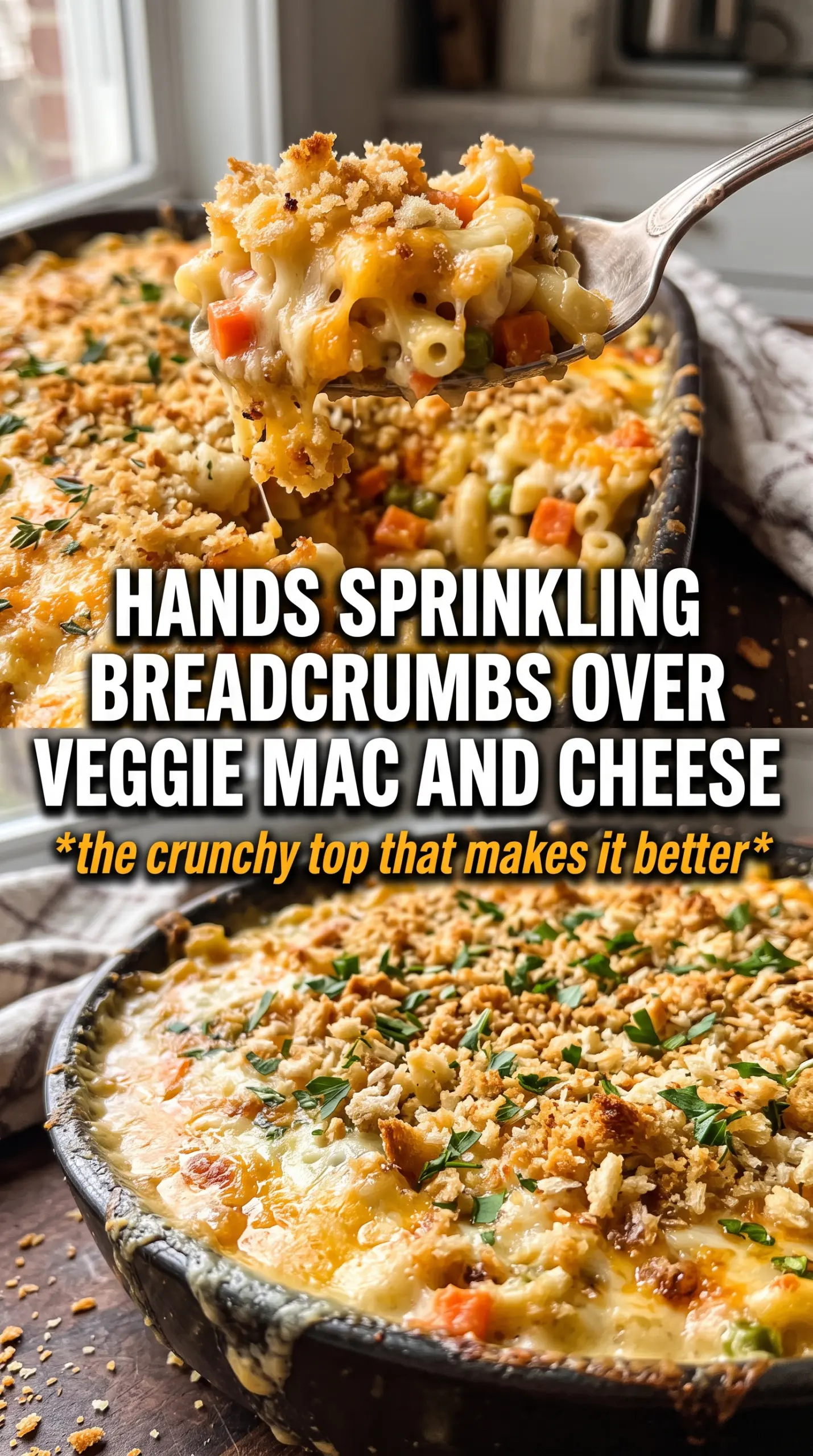
Golden baked veggie mac and cheese lands on the table with creamy pasta under a crisp breadcrumb top, and the vegetables don’t feel like an afterthought. The broccoli stays bright, the roasted red peppers add sweetness, and the spinach melts into the sauce so every scoop feels loaded without turning heavy. It’s the kind of casserole that disappears fast because it eats like comfort food, not a compromise.
The trick here is building a sauce that’s thick enough to coat the pasta before it goes into the oven. Gruyere gives the sauce a little stretch and depth, while sharp cheddar keeps the flavor bold enough to stand up to all those vegetables. I also like a little Dijon and smoked paprika in the base; they don’t make the dish taste “spiced,” they just keep the cheese from tasting flat.
Below you’ll find the best way to keep the sauce smooth, plus a few smart swaps if you want to change up the vegetables or make it work with what’s already in your fridge.
The sauce stayed silky after baking and the panko topping stayed crisp even with all the broccoli and peppers mixed in. My kids picked around vegetables before, but they cleaned their plates with this one.
Save this veggie mac and cheese for the nights when you want a creamy baked pasta with a crisp panko crust and plenty of vegetables in every bite.
The Sauce Has to Be Thick Before the Oven Gets It
A baked mac and cheese only works when the sauce starts out a little thicker than you think it should be. If it looks perfect on the stove and still pours like soup, the pasta will keep drinking it in the oven and you’ll end up with a loose casserole instead of creamy scoops. Let the sauce simmer until it coats the back of a spoon and leaves a clear line when you drag a finger through it.
The other place this dish can go wrong is with the vegetables. Broccoli needs to be blanched so it stays tender, but not soft enough to collapse. Spinach should go in raw; it wilts fast in the hot sauce and doesn’t need any extra cooking. The goal is a baked pasta that still has texture in every bite, not a pan of cheddar sauce with a few vegetables floating around in it.
What Each Ingredient Is Actually Doing in This Recipe
- Primary ingredient (the star) — Quality matters most. Choose the best you can find.
- Cooking medium (oil, butter, or broth) — This carries flavors and prevents dryness.
- Seasonings (salt, pepper, spices, herbs) — Layer flavors so nothing overpowers. Build depth gradually.
- Aromatics (garlic, onion, herbs) — Cook with fat to bloom flavors. Become the foundation.
- Supporting ingredients — Complement the main ingredient without overpowering it.
- Sauce or liquid (if applicable) — Brings flavors together. Balance richness with acid.
- Acid (lemon, vinegar, wine, or other) — Brightens and prevents flat-tasting results.
- Final finish (garnish, glaze, or sauce) — Prevents one-dimensional taste and adds visual appeal.
What Each Cheese Is Actually Doing Here
- Sharp cheddar — This brings the familiar mac and cheese flavor and enough punch to cut through the milk and cream. Buy a block and shred it yourself if you can; pre-shredded cheese often has anti-caking agents that make the sauce less smooth.
- Gruyere — This is what gives the sauce a little stretch and a deeper, nuttier finish. If you need a swap, Swiss will work, but the sauce will taste milder and a touch less luxurious.
- Whole milk and heavy cream — The milk keeps the sauce from feeling too rich, while the cream gives it body so it doesn’t thin out after baking. You can use all whole milk in a pinch, but the finished casserole won’t be as plush.
- Dijon mustard and smoked paprika — These don’t make the dish taste mustardy or smoky. They sharpen the cheese flavor and keep the sauce from tasting one-note.
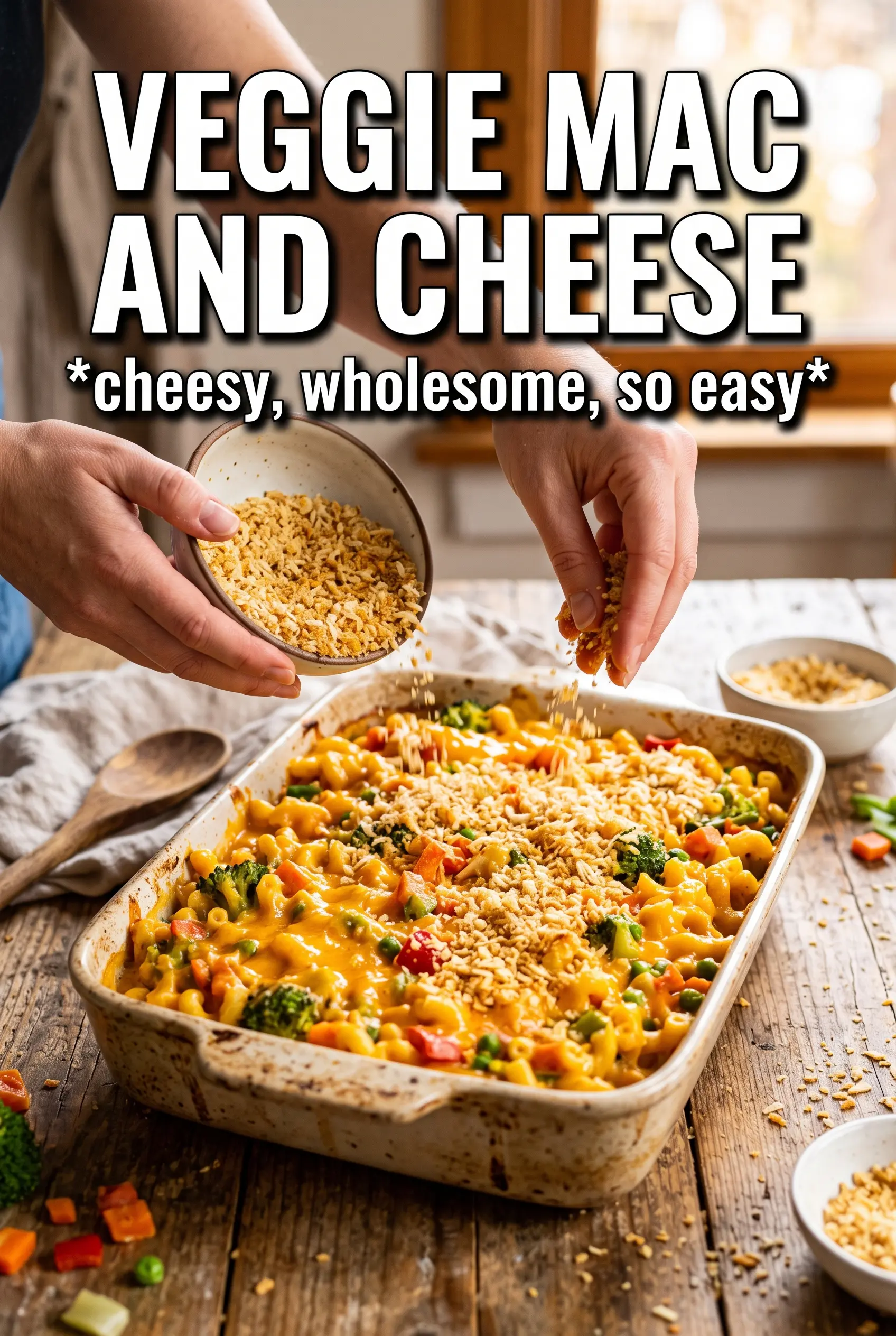
- Panko and parmesan topping — Panko gives you that light, crunchy crust instead of a dense bread layer. Toss it with melted butter before it goes on top so it browns evenly instead of drying out.
Building the Casserole So the Sauce Stays Creamy
Start With the Roux, Not the Cheese
Melt the butter, whisk in the flour, and cook it long enough to lose the raw flour smell. One minute is enough here if the heat is steady, and the mixture should look smooth and a little foamy. If you rush this part, the sauce can taste pasty even after the cheese goes in. The roux is what gives the sauce structure, so this is the moment that decides whether the bake sets up properly.
Whisk the Dairy In Slowly
Add the milk and cream gradually while whisking so the roux stays smooth. The sauce will look thin at first, then turn glossy and thick as it comes up to a gentle simmer. Don’t crank the heat to speed it along; that’s how the bottom scorches before the center thickens. You want small bubbles around the edge and a spoon-coating texture in the middle.
Melt the Cheese Off the Heat
Pull the pan down to low or off the burner before the cheddar and Gruyere go in. High heat can make the cheese go grainy or stringy, especially with a hard cheese like cheddar. Stir until the sauce is silky and fully melted before adding the mustard and paprika. If it looks a little too thick, loosen it with a splash of milk instead of forcing it with more heat.
Fold Everything Together and Bake Until the Top Sets
Stir the pasta and vegetables into the sauce while everything is still warm so the cheese clings to every piece. The mixture should look generously coated, not soupy, before it goes into the baking dish. Once the panko topping is on, bake until the edges are bubbling and the top is deep golden with a few darker spots. Let it rest for about 10 minutes before serving so the sauce settles and doesn’t run all over the plate.
How to Adapt This for the Vegetables You Have on Hand
Make It Vegetarian Without Losing the Comfort
This recipe is already vegetarian as written, and that’s part of why it works so well. The cheeses and buttery breadcrumb topping give it enough richness that you don’t need any meat to make it feel complete. If you want to make the vegetable mix heartier, add sautéed mushrooms or cauliflower florets for a more savory bite.
Gluten-Free with a Small Tradeoff
Use your favorite gluten-free pasta and a 1:1 gluten-free flour blend for the roux. The sauce still thickens nicely, though the pasta should be cooked just shy of done so it doesn’t turn soft during baking. Swap the panko for gluten-free breadcrumbs or crushed gluten-free crackers if you still want that crunchy top.
Use a Different Vegetable Mix
Cauliflower, peas, peas and corn, or sautéed zucchini all work here as long as they aren’t watery. The key is controlling moisture before the bake; anything wet can thin the cheese sauce and make the casserole loose. Roast or steam the vegetables first if they give off a lot of water, then fold them in at the end.
Storage and Reheating
- Refrigerator: Store covered for up to 4 days. The sauce will firm up as it chills, but it reheats well.
- Freezer: Freeze baked portions in airtight containers for up to 2 months. The texture softens a little after thawing, but it still works for a make-ahead casserole.
- Reheating: Reheat covered in a 350F oven until hot in the center, adding a splash of milk if it looks dry. Microwaving works for single servings, but use short bursts so the cheese doesn’t separate.
Answers to the Questions Worth Asking
Veggie Mac And Cheese
Ingredients
Equipment
Method
- Preheat oven to 375F and grease a 9x13 baking dish so the mac won’t stick.
- Cook the elbow pasta or shells in boiling salted water until tender, then drain.
- Melt unsalted butter in a pot over medium heat, then whisk in all-purpose flour and cook for 1 minute.
- Gradually add whole milk and heavy cream while whisking, then simmer until the sauce is thick.
- Stir in sharp cheddar, Gruyère, Dijon mustard, and smoked paprika until smooth.
- Fold in the pasta, broccoli florets, frozen peas, roasted red peppers, and baby spinach, then season with salt and pepper to taste.
- Transfer the mixture to the greased dish, then mix panko topping ingredients (panko, butter, and parmesan) and scatter evenly over the top.
- Bake at 375F for 25-30 minutes until golden and bubbling at the edges.