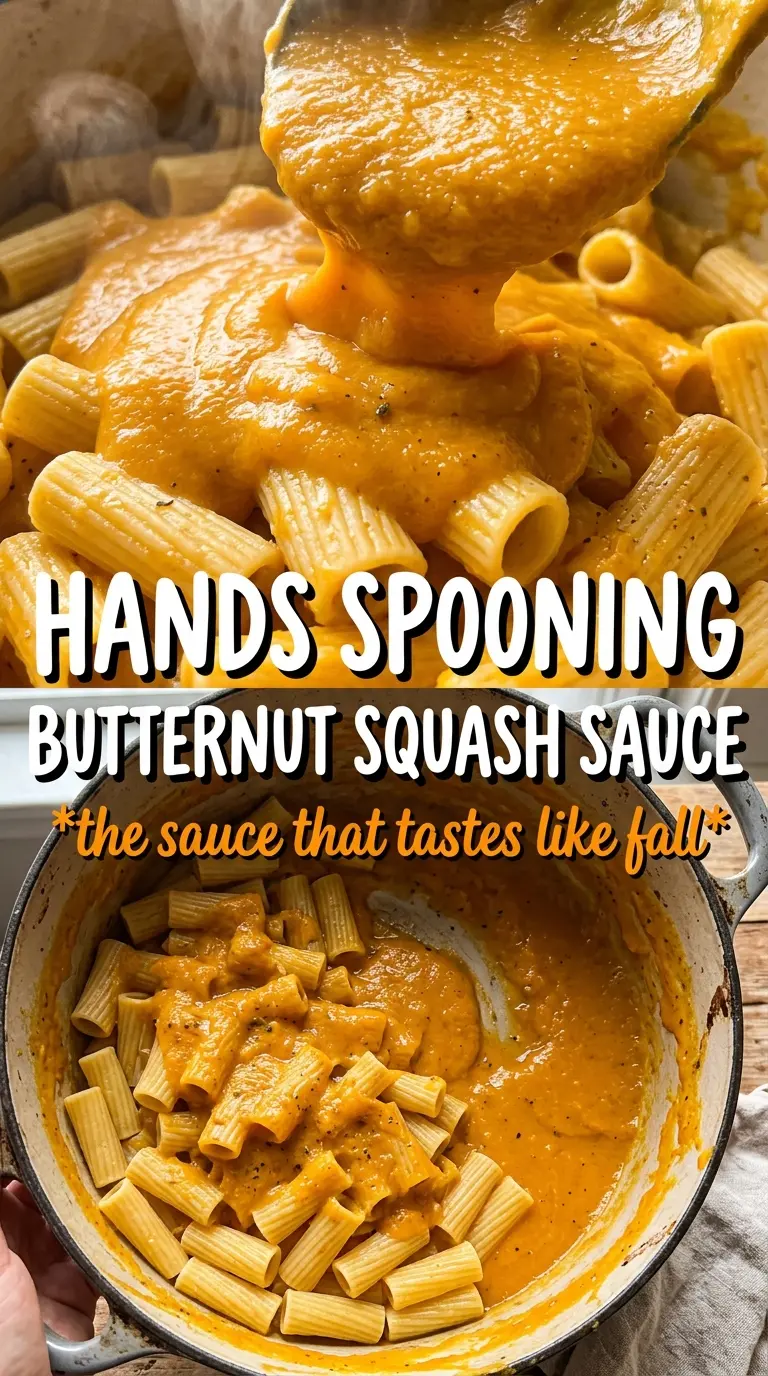
Silky butternut squash pasta sauce clings to rigatoni in a way that feels richer than the ingredient list should allow. The squash gives it body, the parmesan brings salt and depth, and the cream smooths everything into a sauce that coats every ridge instead of sinking to the bottom of the bowl. It’s the kind of pasta dinner that tastes like it took a lot more effort than it did.
The key is cooking the squash until it’s collapsing tender before you blend it. If it’s even a little undercooked, the sauce ends up grainy instead of velvety. I also like to cook the onion slowly enough to turn sweet, then add the garlic and sage just long enough to wake them up without letting them brown.
Below you’ll find the little details that make this sauce dependable, from the right way to use pasta water to the swaps that still keep it creamy and balanced.
The sauce turned out silky and coated the pasta beautifully, and the sage with nutmeg gave it that restaurant-style taste without being heavy.
Save this butternut squash pasta sauce for a creamy rigatoni dinner with sweet squash, parmesan, and sage.
The Part That Stops Butternut Squash Sauce From Turning Grainy
Butternut squash sauce goes wrong when the squash is only halfway softened. At that point, the blender can only break it down so far, and you end up with a sauce that looks smooth in the pot but eats a little gritty. Let it simmer until a fork goes through the cubes with no resistance and the pieces are starting to fall apart at the edges.
The other mistake is rushing the dairy. Once the squash is blended, the cream and parmesan need a gentle simmer, not a hard boil. High heat can make the cheese seize or the sauce separate, especially once the starch from the pasta is added later. Keep the heat low enough that the sauce just blips around the edges.
What Each Ingredient Is Actually Doing In This Sauce
- Butternut squash — This is the body of the sauce. It brings natural sweetness and a thick, velvety texture that plain cream can’t give you. Use a fresh squash for the best flavor, but pre-cut squash works fine when you want to save time.
- Onion and garlic — They build the savory base so the sauce doesn’t taste flat or one-note. The onion should go soft and translucent before the garlic goes in; if the garlic browns, it turns bitter fast.
- Vegetable or chicken broth — Broth helps the squash cook down and gives the sauce enough flavor to stand on its own before the parmesan goes in. Vegetable broth keeps it vegetarian, and chicken broth adds a little more depth.
- Heavy cream — This smooths out the puree and gives the sauce that lush finish. Half-and-half will work in a pinch, but the sauce will be a little lighter and less rich.
- Parmesan — Parmesan adds salt, savoriness, and a little thickness as it melts. Grate it finely so it disappears into the sauce instead of clumping.
- Sage and nutmeg — Sage gives the sauce its warm, earthy note, and nutmeg makes the squash taste fuller and more rounded. Fresh sage is worth using here because dried sage can taste dusty if it doesn’t have enough fat to bloom in.
- Pasta water — This is the adjustment tool. The starch helps the sauce cling to the pasta, and a splash at the end loosens the sauce without watering down the flavor.
Building the Sauce So It Clings to Every Ridge
Softening the Onion and Waking Up the Sage
Start with the olive oil in a large pot over medium heat, then add the onion and let it cook until soft and sweet, about five minutes. You want the onion translucent with a little color at the edges, not browned. Add the garlic and sage next and cook just until fragrant, about two minutes. If the garlic starts to toast hard or the sage looks dark, the heat is too high and the finished sauce will taste sharp instead of rounded.
Cooking the Squash Until It Blends Like Silk
Add the squash and broth, bring everything to a boil, then lower the heat and simmer until the squash is falling apart, about 20 minutes. The cubes should look very soft and easy to smash against the side of the pot. If the broth reduces too quickly before the squash is tender, add a splash of water so nothing catches on the bottom. This stage is where the texture is decided, so don’t rush it.
Blending and Finishing the Sauce
Blend the mixture until completely smooth with an immersion blender. If you’re using a regular blender, work in batches and vent the lid so steam doesn’t build up. Stir in the cream, parmesan, nutmeg, and red pepper flakes, then let the sauce simmer gently for about five minutes until it looks glossy and slightly thicker. Toss with cooked rigatoni and loosen with pasta water as needed; the sauce should coat the pasta, not pool underneath it.
Make It Vegetarian Without Losing Depth
Use vegetable broth instead of chicken broth and keep the parmesan in place. The sauce stays rich because the squash, cream, and cheese do the heavy lifting, so you won’t miss the chicken broth unless it was providing the only savory note.
How to Make It Dairy-Free
Swap the heavy cream for full-fat coconut milk or an unsweetened oat-based cream, and leave out the parmesan or use a dairy-free parmesan-style alternative. Coconut milk gives the sauce a softer, slightly sweeter edge, while oat cream keeps the flavor closer to the original.
For a Thicker, More Luxurious Sauce
Let the blended sauce simmer a few extra minutes before adding the pasta. That evaporation thickens it without needing flour or cornstarch, and the final texture stays smooth instead of pasty.
Storage and Reheating
- Refrigerator: Store leftovers for up to 4 days. The sauce will thicken as it chills, and the pasta will keep absorbing it.
- Freezer: The sauce freezes well for up to 2 months, but freeze the sauce separately from the pasta for the best texture. Cream sauces can loosen a little after thawing, so whisk it well when you reheat.
- Reheating: Warm it slowly in a saucepan over low heat with a splash of broth, milk, or water. Don’t blast it in the microwave on high, or the sauce can turn oily before it’s heated through.
Answers to the Questions Worth Asking
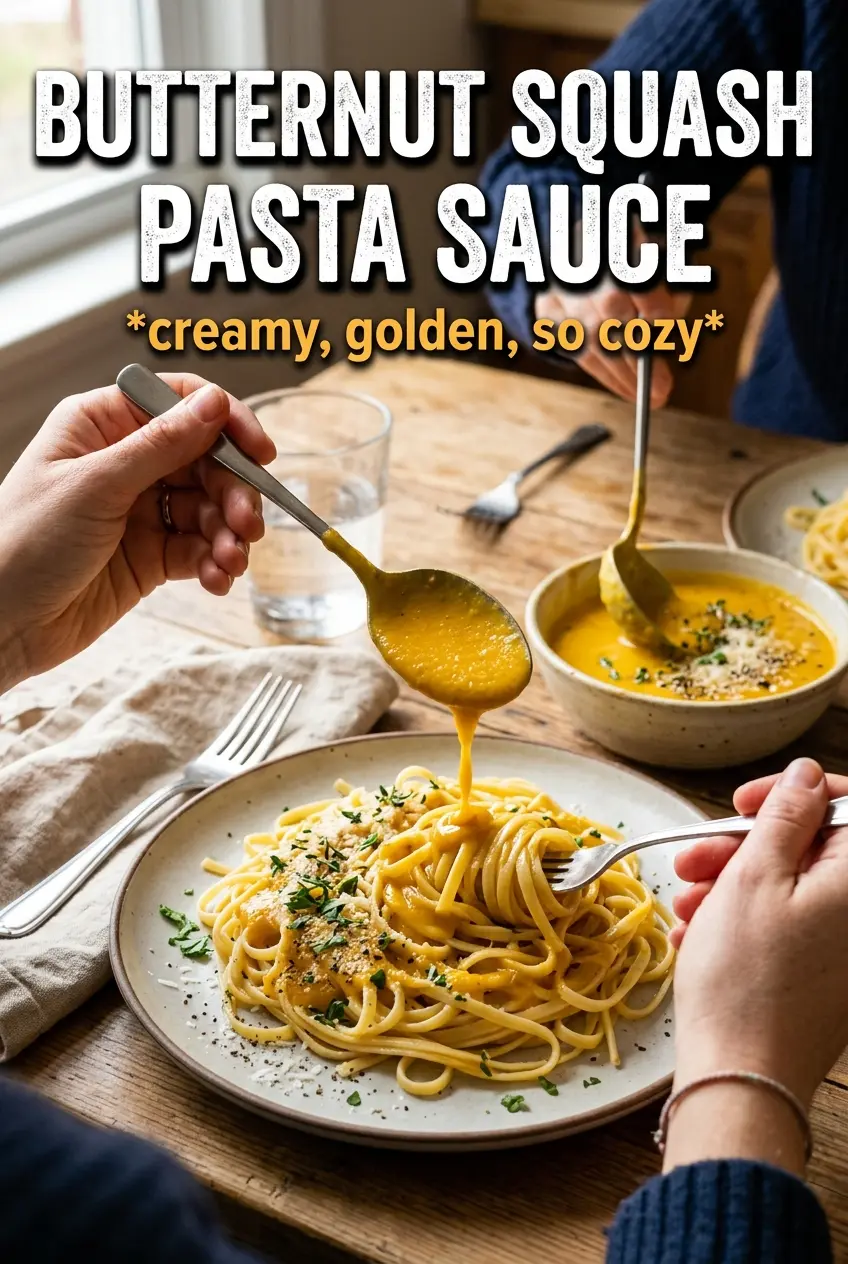
Butternut Squash Pasta Sauce
Ingredients
Equipment
Method
- Heat olive oil in a large pot over medium heat, then sauté the onion for 5 minutes until softened and translucent, stirring occasionally (visual cue: gentle browning at the edges).
- Add the garlic and chopped sage and cook for 2 minutes, stirring constantly to keep it fragrant but not browned (visual cue: aromatic bubbles around the garlic).
- Add the cubed butternut squash and broth, then bring to a boil over high heat (visual cue: rapid bubbling across the surface).
- Reduce to a simmer and cook for 20 minutes until the squash is very tender when pierced (visual cue: cubes collapse easily with a fork).
- Blend the mixture completely smooth with an immersion blender until silky (visual cue: no visible squash chunks and a uniform golden-orange color).
- Stir in the heavy cream, grated parmesan, nutmeg, and red pepper flakes, then simmer for 5 minutes (visual cue: sauce thickens slightly and looks glossy).
- Cook the rigatoni or penne according to package directions, then toss it into the sauce and loosen with pasta water as needed (visual cue: sauce coats the pasta evenly and clings).
- Season with salt and pepper to taste, then serve right away (visual cue: flavor is balanced and the sauce looks smooth and cohesive).